
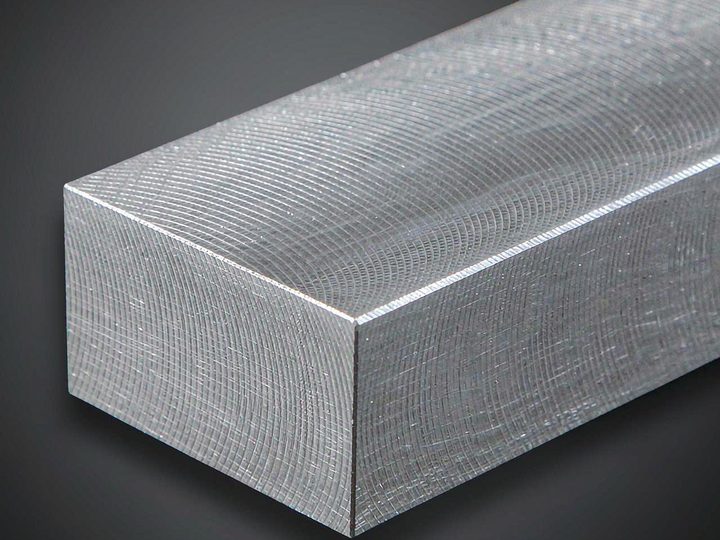
As Machined
Standard finish straight off the machine. Light tool marks remain and all functional surfaces are deburred; Ra 3.2 um is the shop default.
Resources / Surface Finish
Twenty finishing routes across machined, formed, molded and printed parts — what each one does to the surface, which processes it runs on and which materials accept it.
Every finish below is quoted per part and applied in-house or by a qualified partner, then inspected against the drawing before it ships. Filter by the process you are using.
Standard finish straight off the machine. Light tool marks remain and all functional surfaces are deburred; Ra 3.2 um is the shop default.
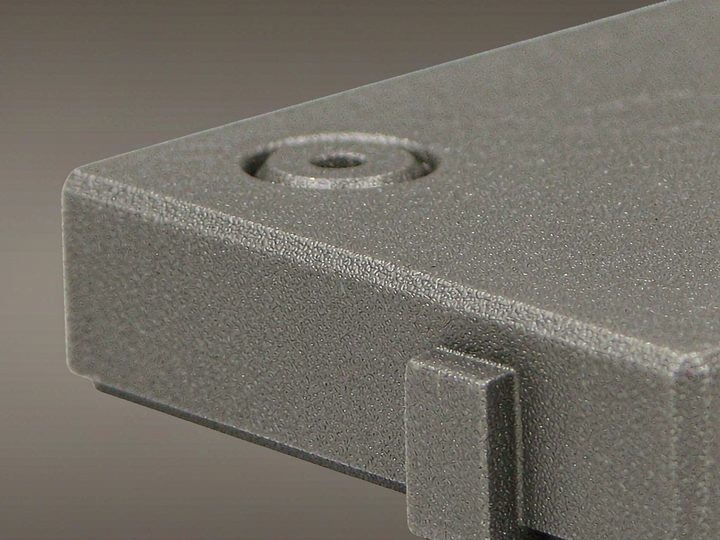
Blast media is propelled against the surface to remove coatings, oxides and machining marks, leaving a uniform low-reflectance matte texture.
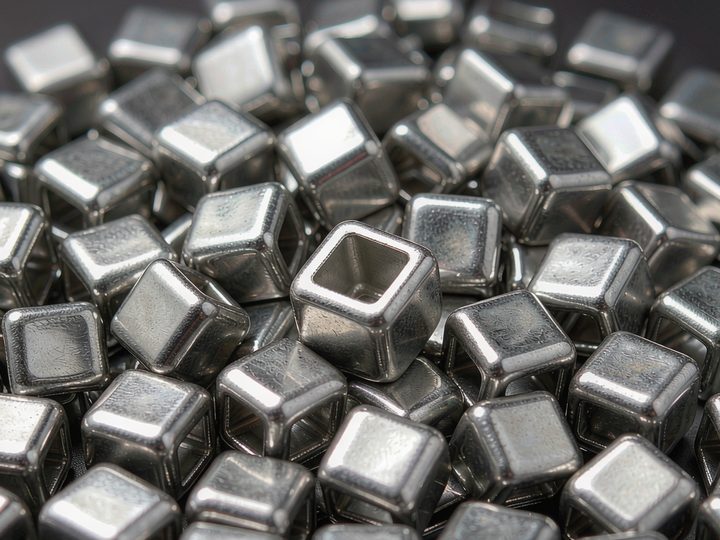
Barrel or vibratory cycles with abrasive media smooth, radius and polish parts, softening edges and knocking down layer lines in volume.
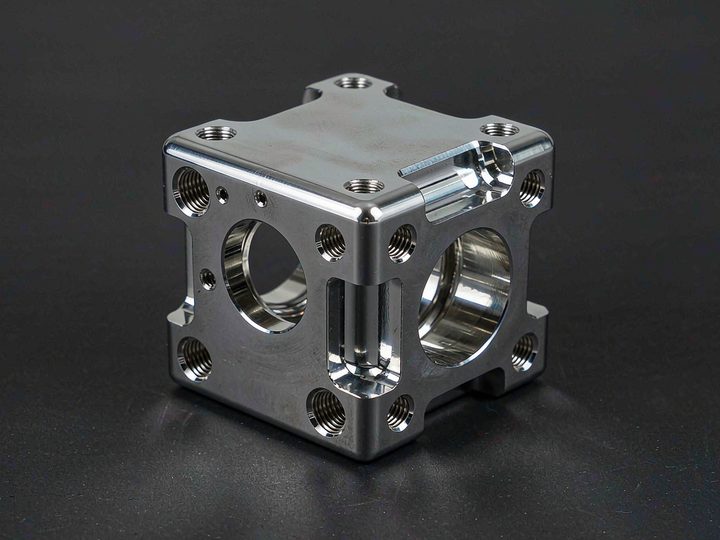
Electrochemical process that strips a microscopic layer of metal, smoothing, polishing and deburring to a bright, high-gloss, hygienic surface.
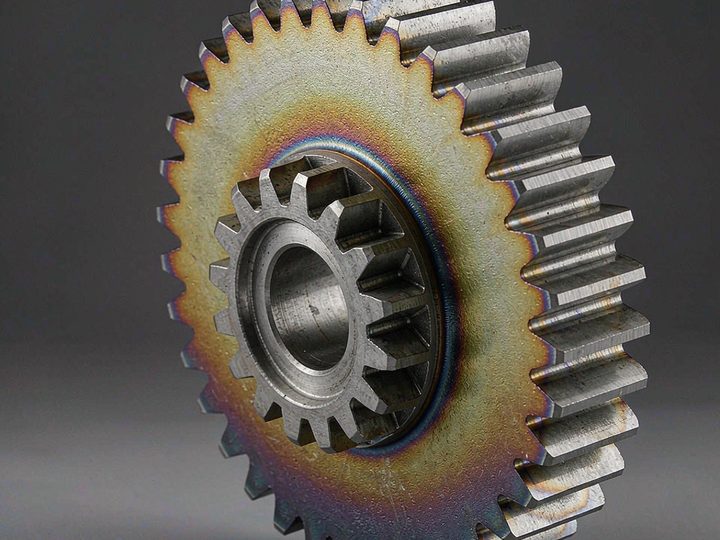
Controlled thermal cycles alter hardness, strength, ductility or stress state of a part so it meets its mechanical callout.
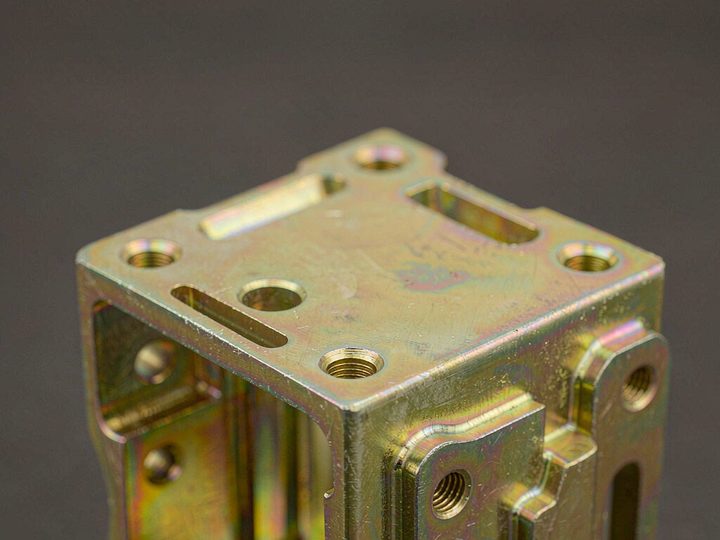
Chemical conversion coating that gives aluminum corrosion protection and a conductive, paint-ready surface; gold to clear iridescent appearance.
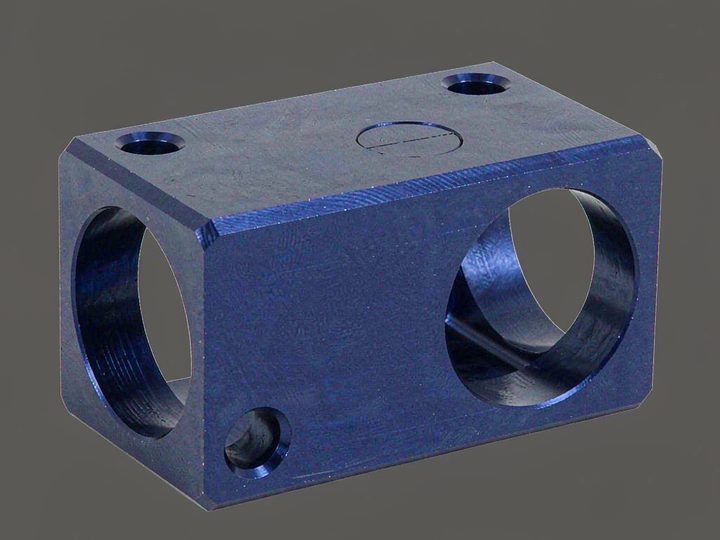
Electrochemical oxide layer grown from the substrate: dyeable, hard-wearing and non-conductive. Type III hard anodize is denser for wear surfaces.
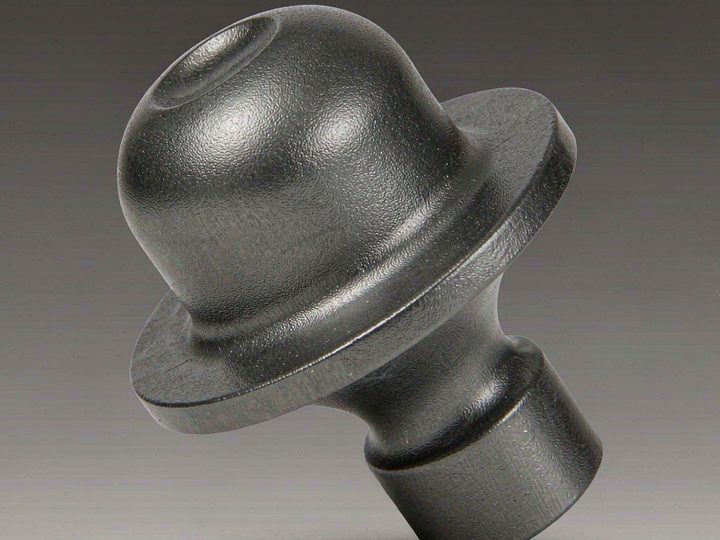
Protective PTFE layer that lowers friction, resists chemicals and adds release, commonly specified on sliding and sealing surfaces.
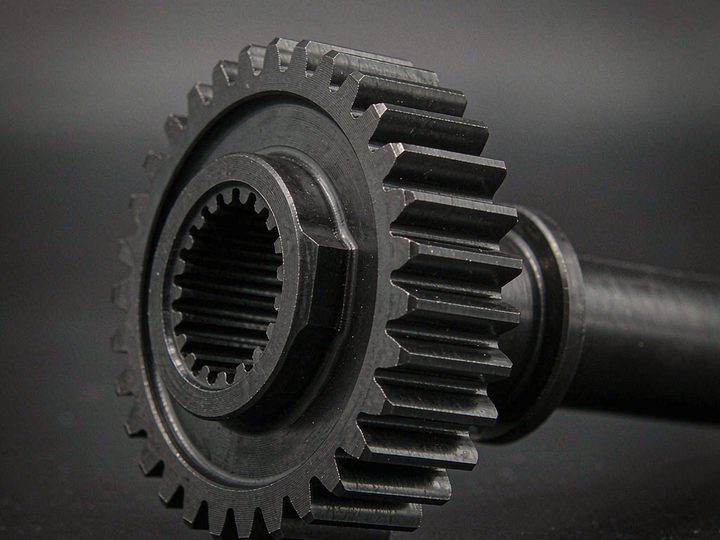
Chemical bath that converts the surface of steel to a black magnetite layer for mild corrosion resistance and a low-glare finish.
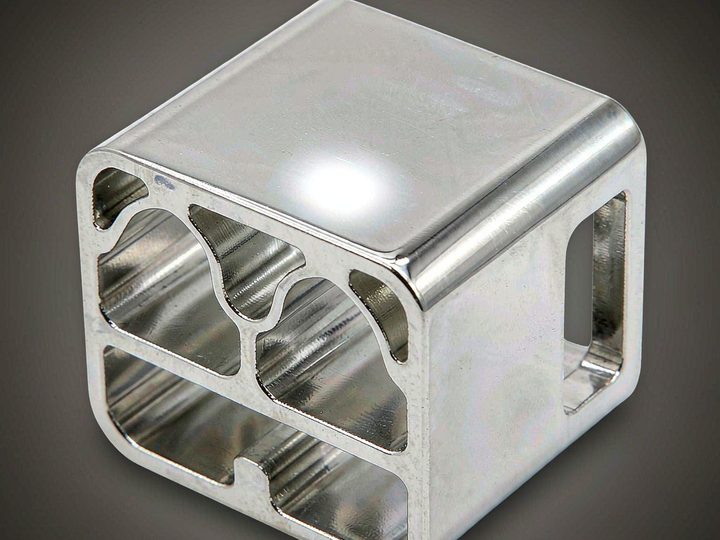
Autocatalytic deposition of a uniform nickel-phosphorus coating on every wetted surface — no racking, so complex geometry coats evenly.
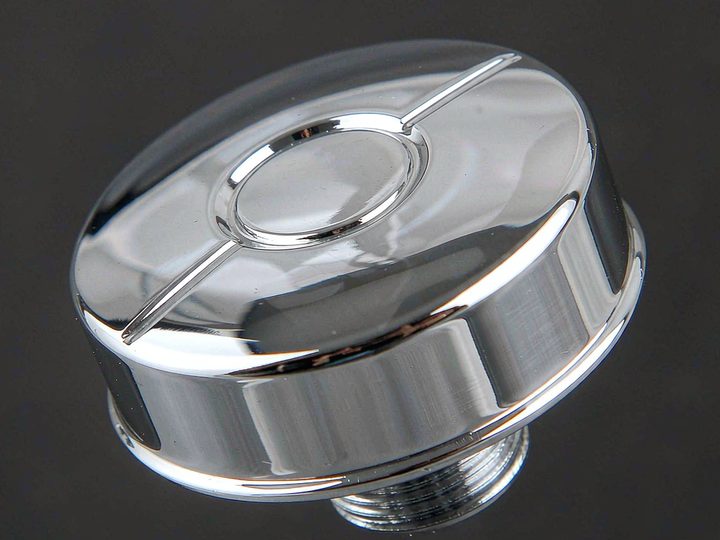
Electric current reduces dissolved metal cations onto the part for a coherent coating — chrome, nickel, zinc or copper for appearance or conductivity.
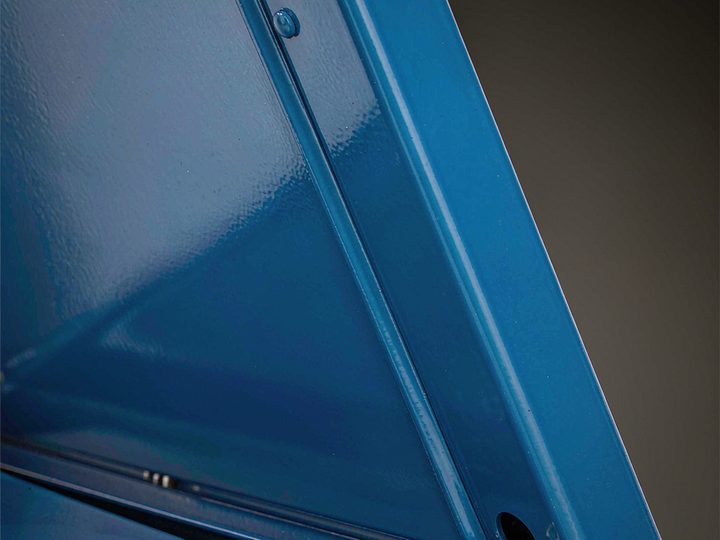
Primer, color and clear coats applied by spray for cosmetic color matching, gloss level control and added protection.
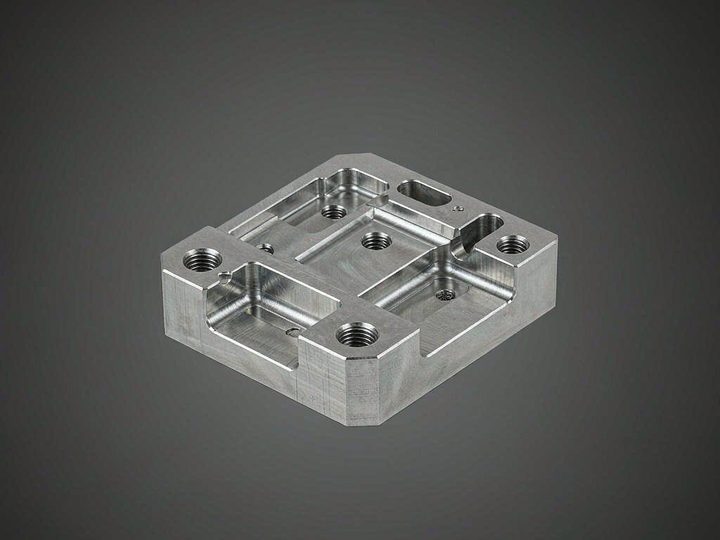
Chemical treatment that removes free iron and other surface contamination so stainless steel returns to its full corrosion resistance.
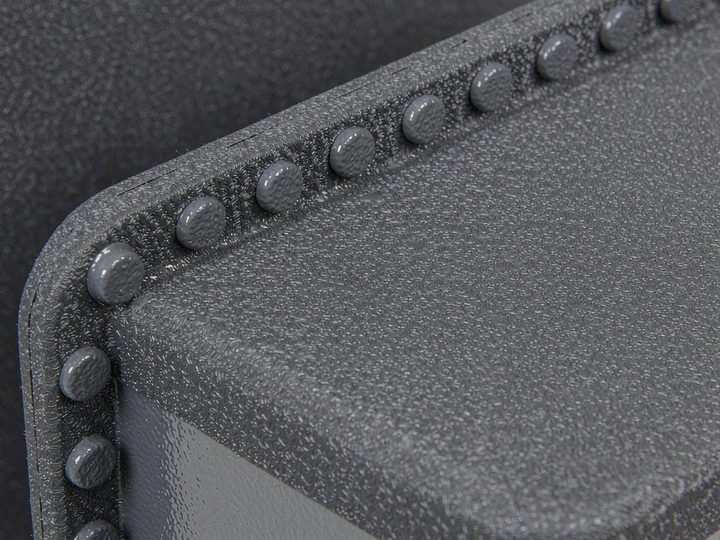
Dry powder is electrostatically applied and baked into a tough polymer film; any RAL color, excellent outdoor and impact performance.
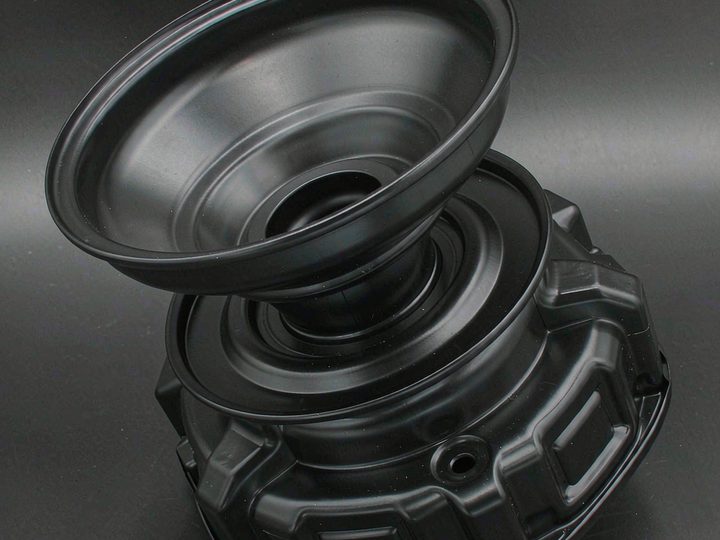
Charged particles suspended in a solvent deposit an even, edge-covering film under DC current — ideal for uniform coverage on complex parts.
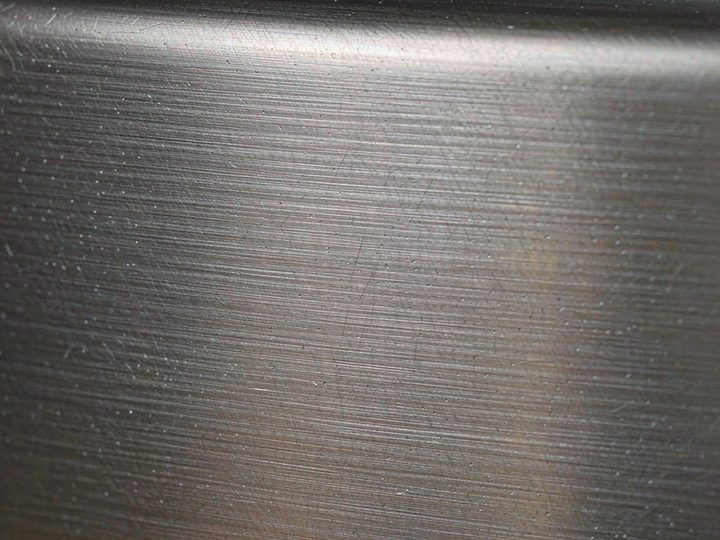
Abrasive belt or wheel produces a controlled unidirectional satin grain that hides fingerprints, scuffs and light machining marks.
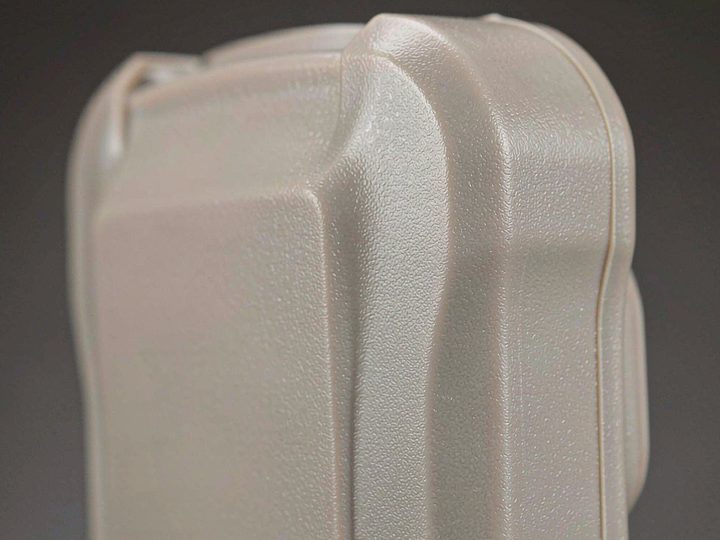
SPI / Mold-Tech grading standardises the texture transferred from the mold to a molded part, from SPI-A2 high gloss through B and C satin to D matte.
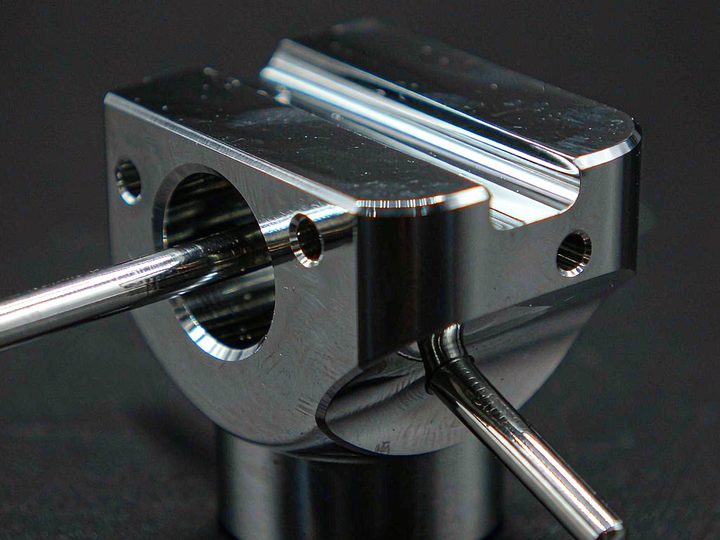
Progressive mechanical polishing brings the surface to a bright reflective finish, removing minor scratches for optical or presentation parts.
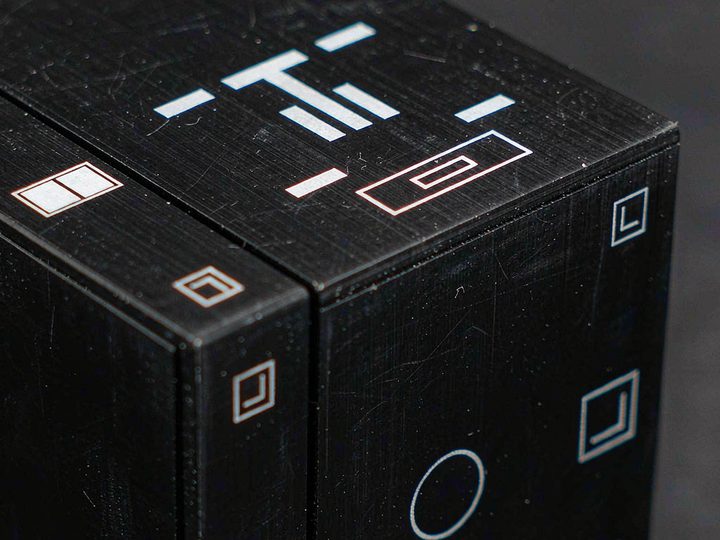
Ink is printed directly onto the finished part for logos, legends, part numbers and scales, in one or more colors.
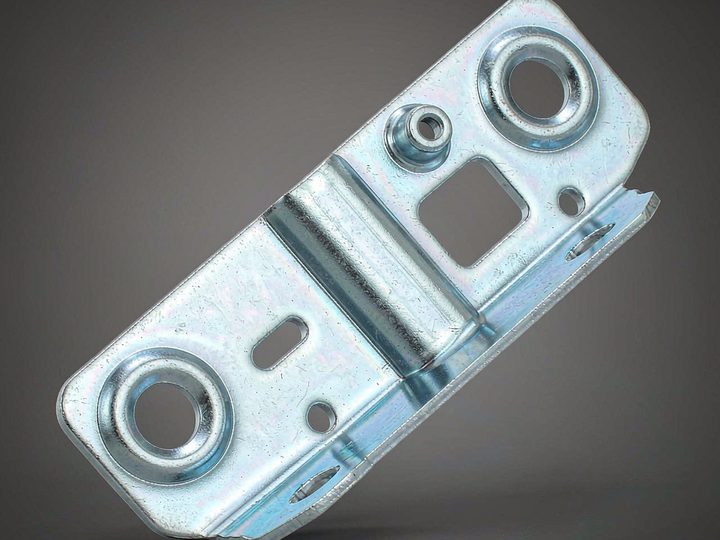
Sacrificial coating for steel, clear or trivalent black, supplying corrosion protection at low cost for brackets, hardware and fasteners.
Showing 20 of 20 finishes available. Need something not listed? Ask an engineer
 Choosing a finish
Guidance
Finish selection is a trade between cosmetics, protection and budget. A few rules cover most cases:
Upload your CAD file today — get a detailed quote with DFM feedback within 24 hours.