
CNC Milling Design Guide
BoValley evaluates part geometry, material, tolerances, surface finish, and quantity to support a practical machining plan.
Get the Guide With Your QuoteBoValley provides custom CNC milling services for metal and plastic components, from functional prototypes to low-volume and production parts. We machine precision features such as pockets, slots, holes, contours, and mounting surfaces to meet your design and functional requirements.
Overview
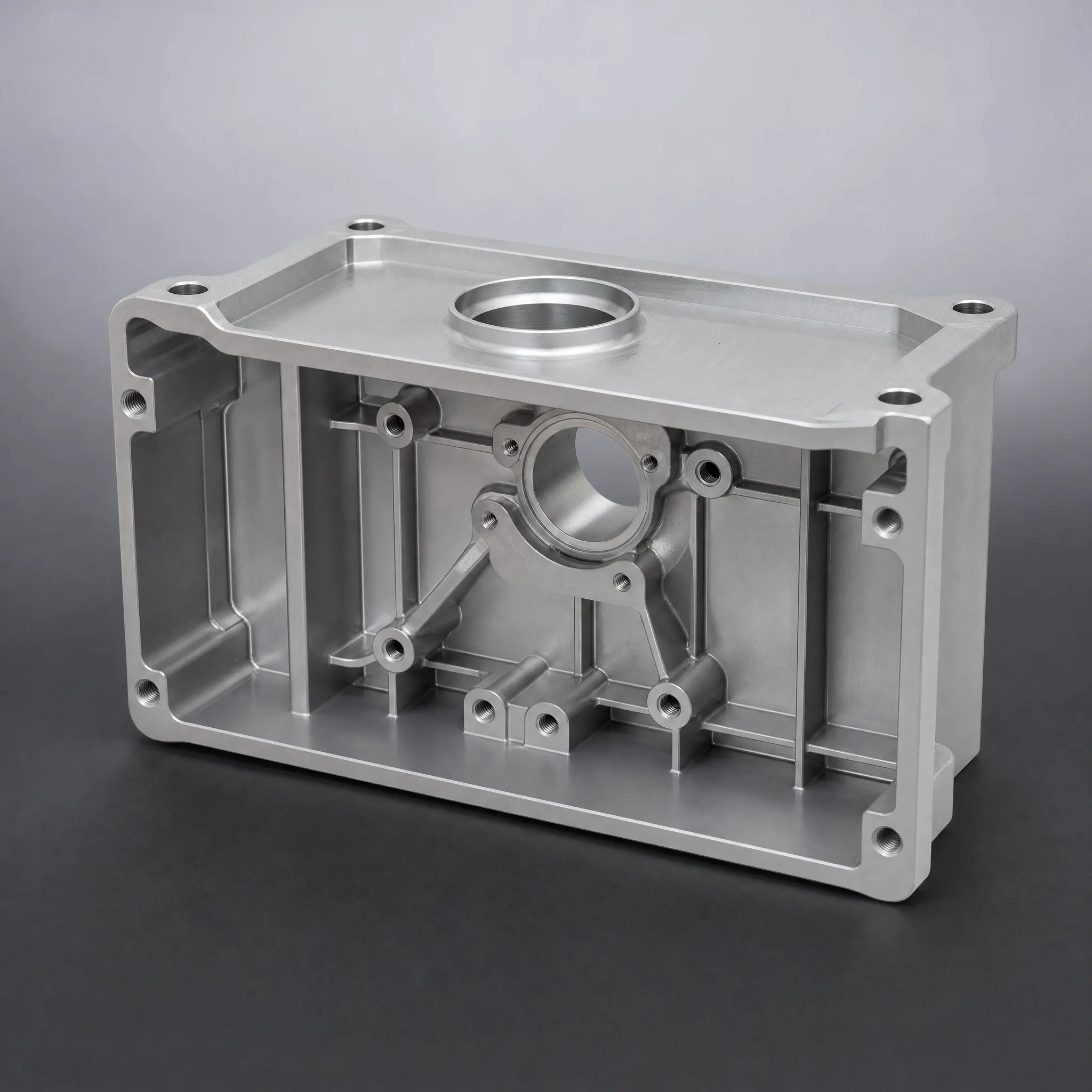
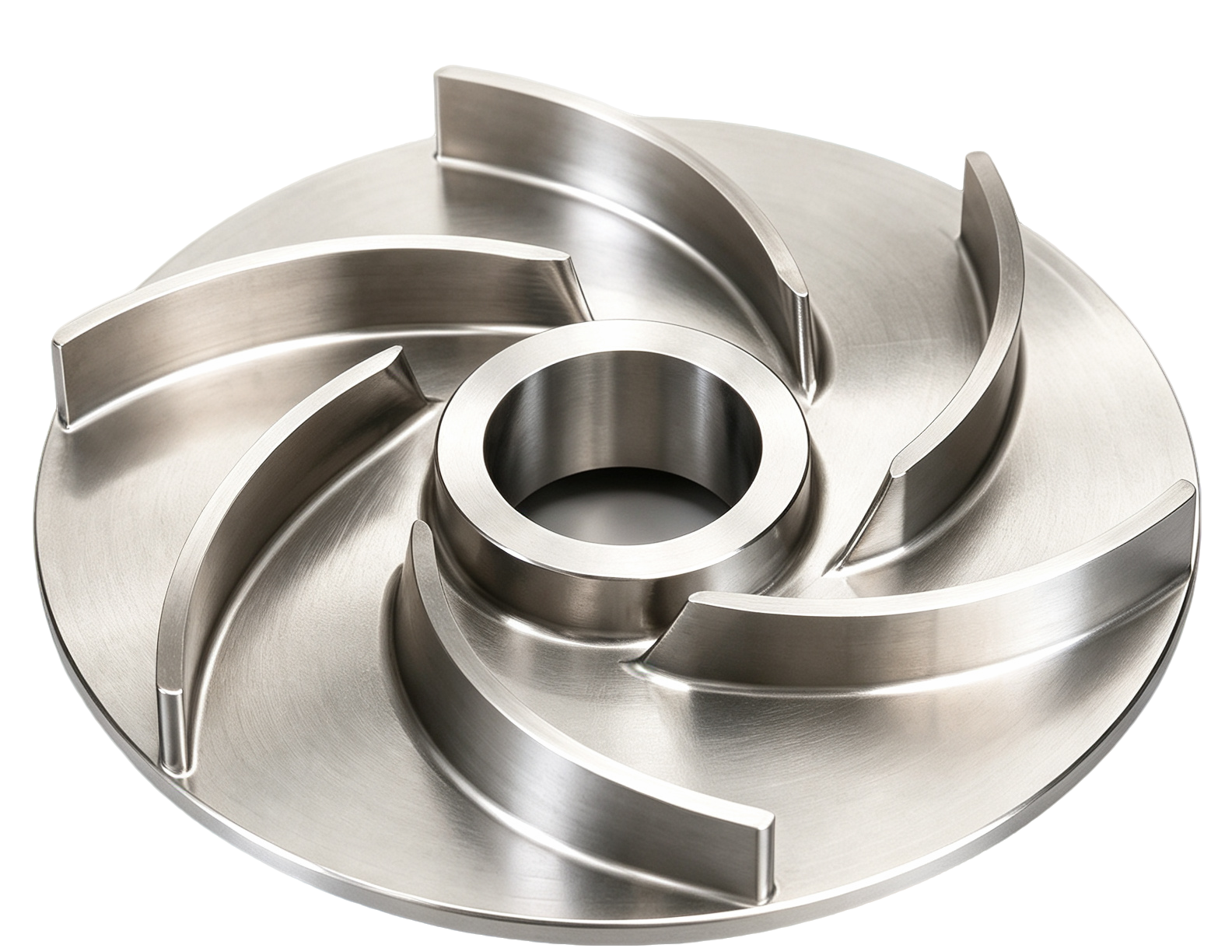
CNC milling uses rotating cutting tools to remove material from a workpiece, creating flat surfaces, pockets, slots, holes, contours, and other engineered features.
It is well suited to components that require defined geometry, accurate mounting interfaces, and consistent dimensional relationships. Depending on the part design, milling can be combined with drilling, tapping, boring, and other machining operations.
BoValley evaluates part geometry, material, tolerances, surface finish, and quantity to support a practical machining plan.
Get the Guide With Your QuoteReview cutter access, pocket depth, corner radii and workholding against the drawing. Identify mating surfaces and other features that need dimensional or finish control.
 Materials
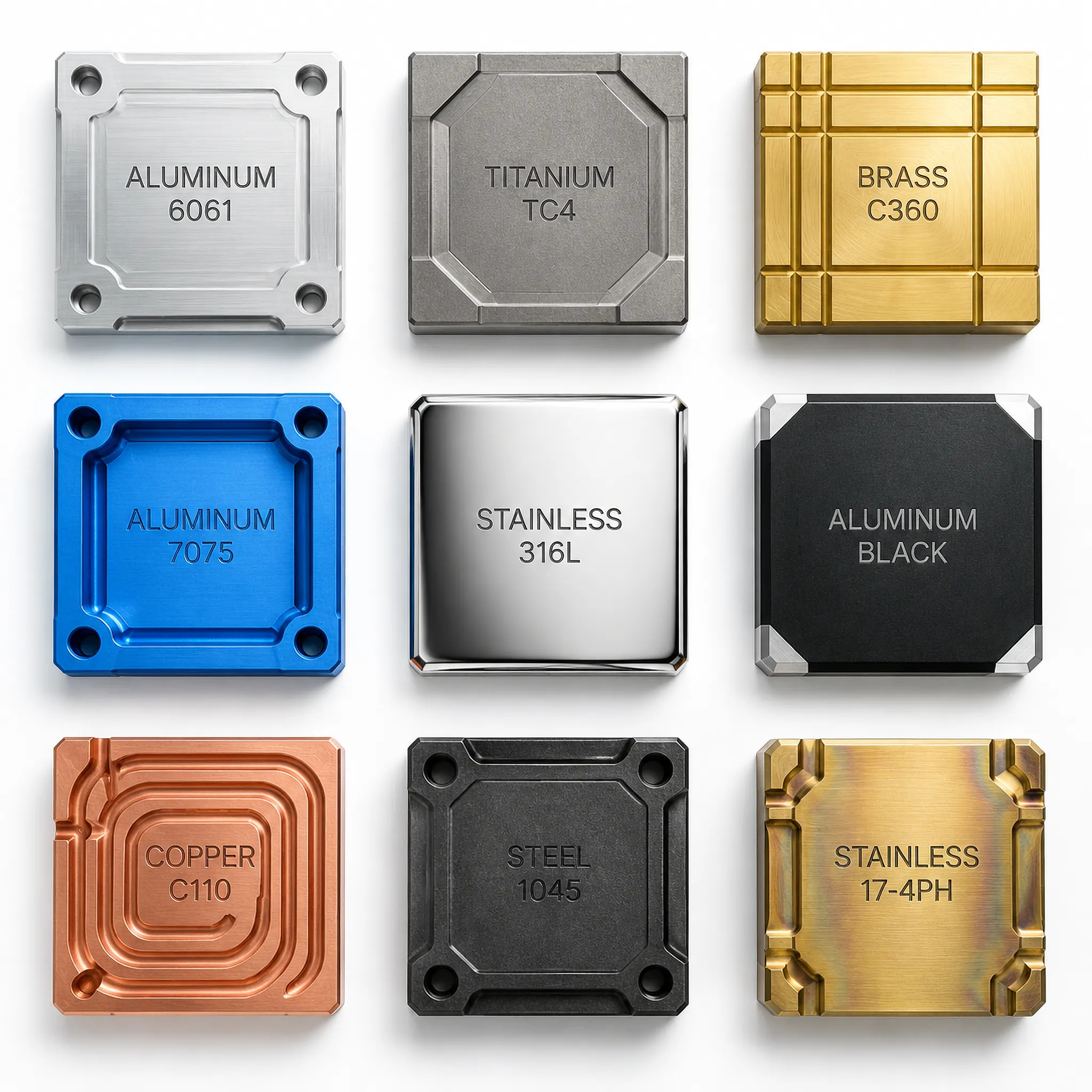
Select a metal or engineering plastic based on part function, cutter access, and the required surface finish. Confirm the grade and stock form during review.
Choose suitable surface finishes to meet your part’s appearance, durability, corrosion resistance, and functional requirements.
| Parameter | Project Considerations |
|---|---|
| Part geometry | Pockets, slots, holes, contours, and complex features |
| Material | Aluminum, steel, brass, copper, and engineering plastics |
| Tolerances | Based on engineering drawings and part requirements |
| Surface finish | As-machined or specified finishing |
| Quantity | Prototypes, low-volume orders, and production parts |
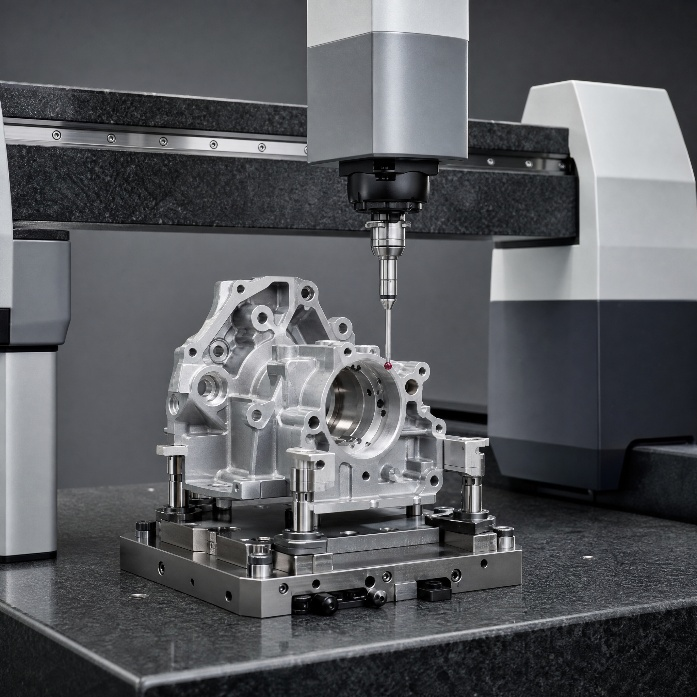
| Inspection | Critical dimensions and agreed inspection documentation |
The Process
From CAD review and DFM planning to CNC machining, inspection, surface finishing, and delivery, each step supports efficient, precision part manufacturing.
 Quality
The examples below show where this process may fit. Material, geometry, and the intended use determine the right approach for each part.
Brackets, housings, and mechanical components.
Mounting plates, supports, and structural components.
Custom components subject to project specifications.
Instrument housings and precision mounting parts.
Precision CNC machined housings, heat sinks, and electronic components.
Custom machined parts for automation systems and industrial equipment.
| Types of Parts | Function |
|---|---|
| Mounting plates | Locate holes and datums for repeatable installation. |
| Housings and pockets | Provide space for components and controlled mating features. |
| Machining fixtures | Create locating faces, slots, and threaded mounting features. |
Upload your CAD file today — get a detailed quote with DFM feedback within 24 hours.