
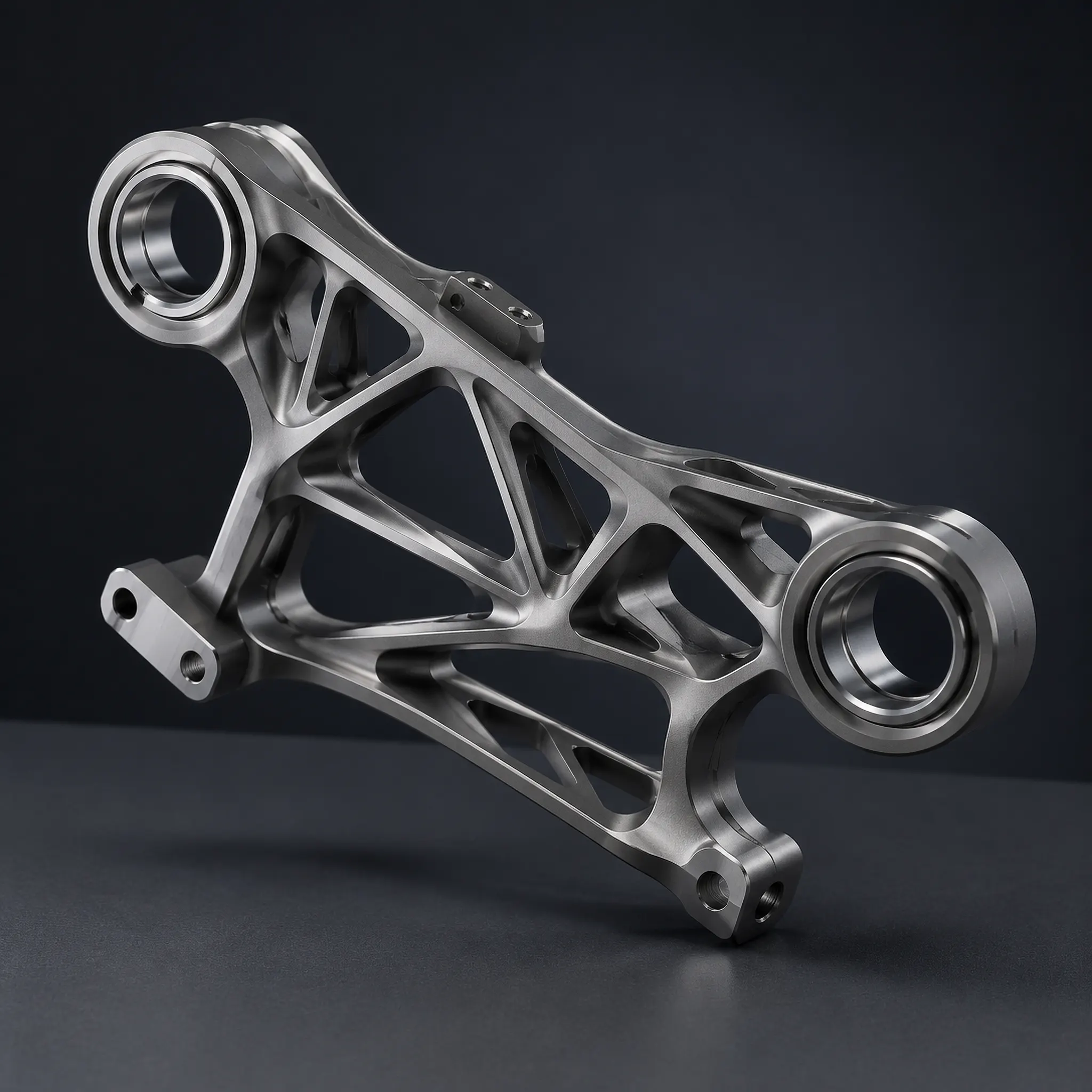
5-Axis CNC Machining Design Guide
Plan cutter and fixture access for angled holes and multi-face geometry, then flag the datums and surfaces that control assembly.
Get the Guide With Your QuoteBoValley supports custom machining projects involving complex surfaces, angled features, multi-face geometries and hard-to-reach details. 5-axis machining can provide additional tool access and reduce repeated repositioning for suitable components.
Overview
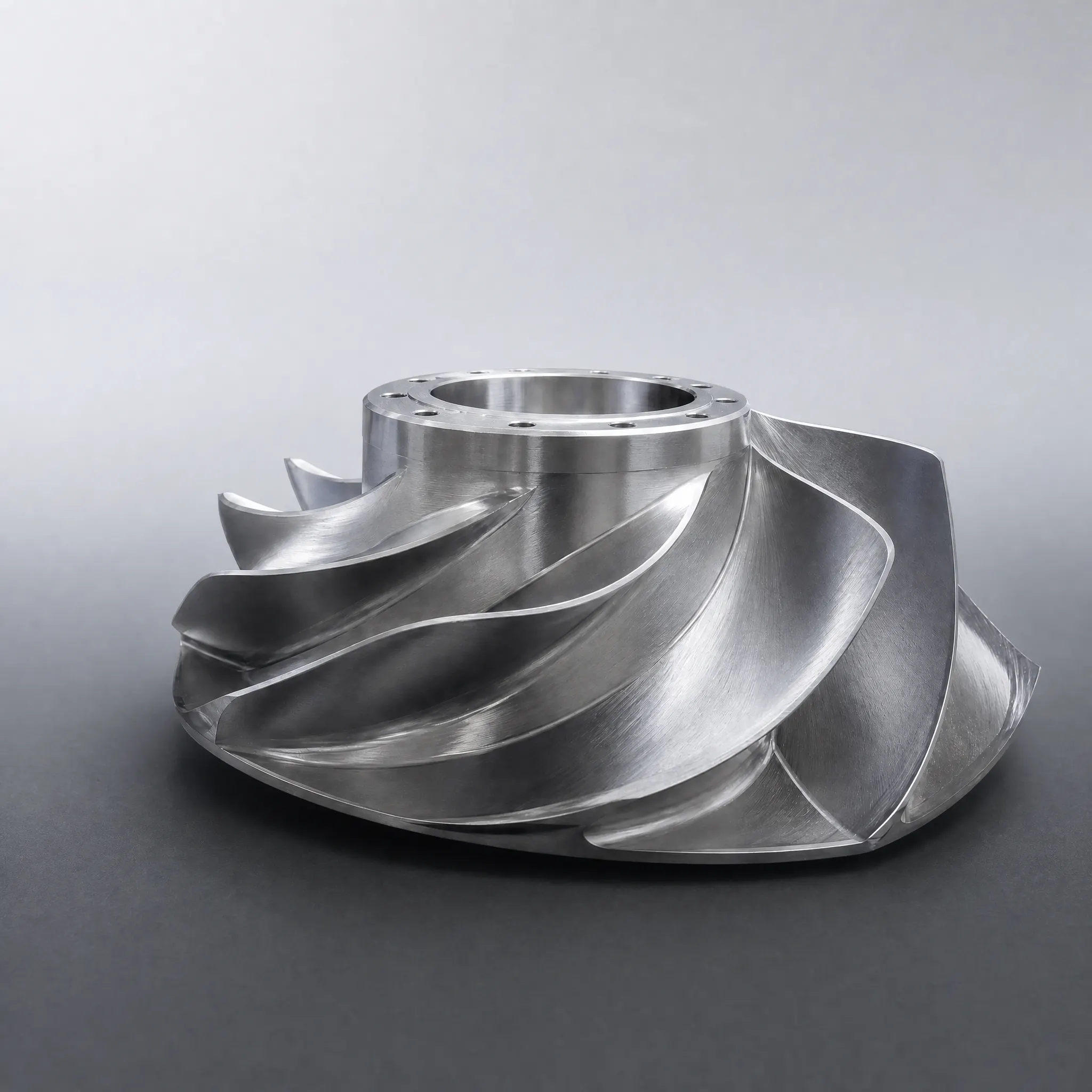
5-axis CNC machining combines three linear axes with two rotary axes, allowing the cutting tool or workpiece to be oriented from different directions.
For suitable designs this can improve access to multiple faces, angled holes and complex surfaces while reducing the number of separate setups. Fewer repositioning steps can also reduce setup-related alignment errors. Not every part requires 5-axis machining BoValley can review whether 3-axis, 4-axis, indexed 5-axis or simultaneous 5-axis machining is the most practical option.
5-axis machine configurations and benefits depend on whether the operation is indexed or simultaneous, the machine architecture and the part geometry.
Plan cutter and fixture access for angled holes and multi-face geometry, then flag the datums and surfaces that control assembly.
Get the Guide With Your QuoteFrom complex prototype components to functional precision parts, we evaluate each design to determine the most suitable machining strategy, material, and finishing process.
 Materials
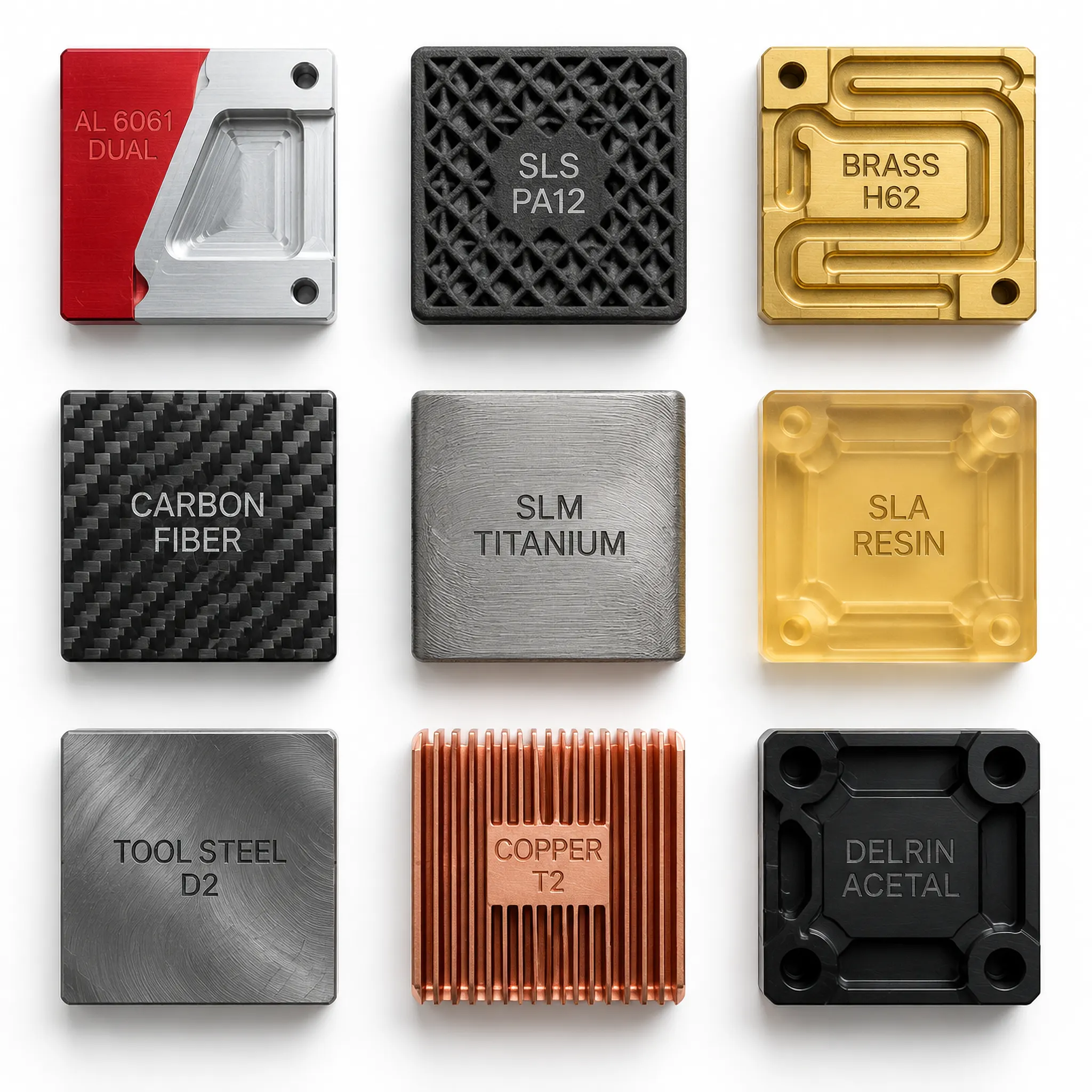
Five-axis capability does not automatically guarantee a particular tolerance or surface finish. Feasibility depends on the machine configuration, tool access, material, workholding, part geometry, and inspection method.
Choose materials and finishes based on your part's mechanical properties, operating environment, appearance, and application requirements.
| Parameter | Project Considerations |
|---|---|
| Part geometry | Multi-face features, angled holes, curved surfaces, and complex contours |
| Material | Aluminum, steel, stainless steel, titanium, and suitable plastics |
| Tolerances | Critical dimensions and geometric tolerances defined on drawings |
| Surface finish | Specified finish for functional and visible surfaces |
| Quantity | Prototypes, low-volume batches, and selected production orders |
| Inspection | Datum relationships, critical features, and agreed measurement reports |
The Process
Review CAD files and technical requirements, select suitable machining strategies, manufacture complex components, and inspect critical features to meet drawing specifications.
 Quality
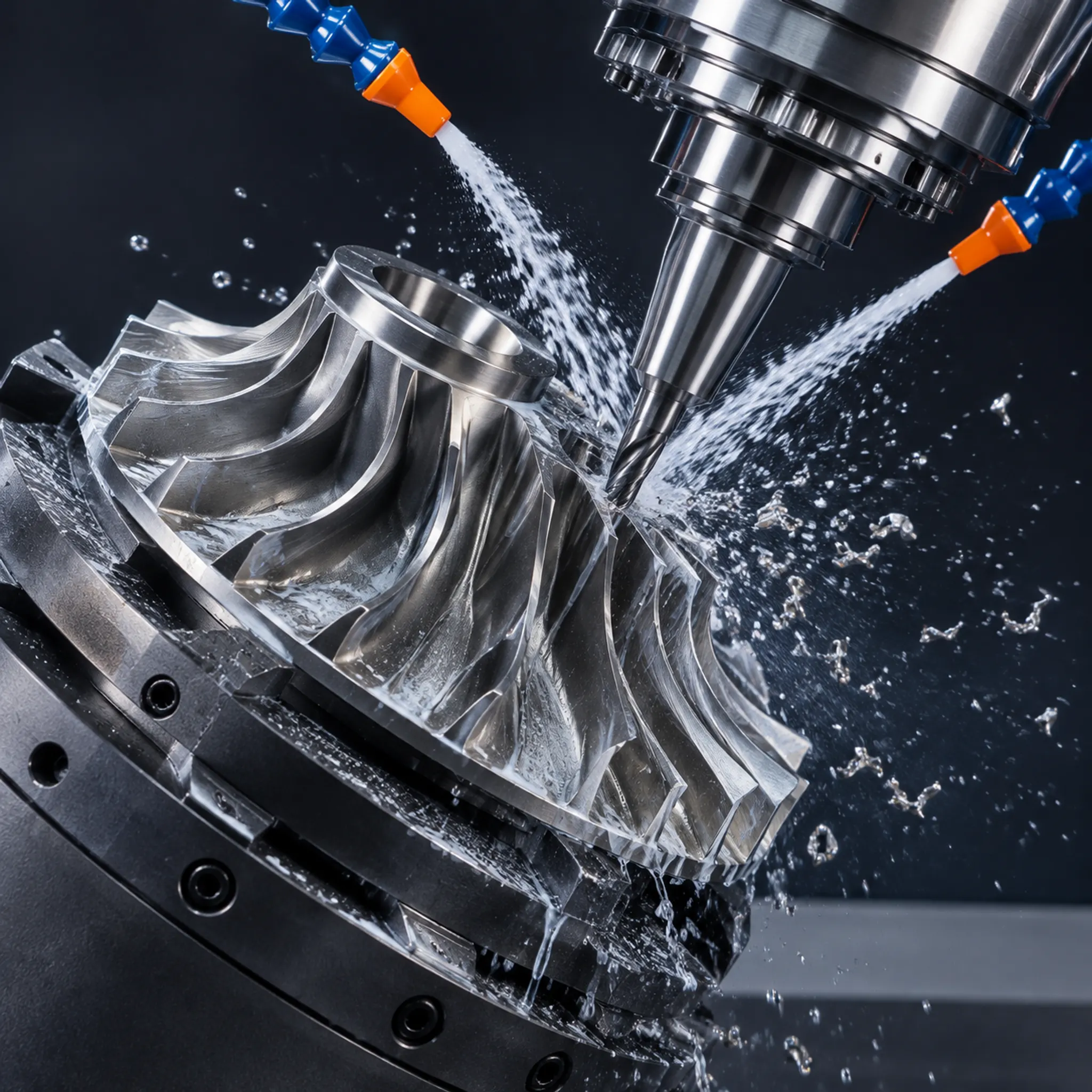
Discover how 5-axis CNC machining supports complex components, multi-face machining, and precision manufacturing across demanding industries.
Complex structural parts and engineering prototypes, subject to project requirements.
Complex joints, mounting interfaces, and structural components.
Instrument housings and multi-face mounting components.
Selected contoured parts and components with challenging tool access.
Machine selected ports, angled faces, and sealing interfaces for flow components.
Create locating surfaces and compound features for fixtures and tooling.
| Types of Parts | Function |
|---|---|
| Angled manifolds | Locate ports and sealing interfaces across multiple faces. |
| Contoured housings | Machine shaped surfaces and multiple mounting faces. |
| Precision fixtures | Establish repeatable locating and reference surfaces. |
Upload your CAD file today — get a detailed quote with DFM feedback within 24 hours.