
Fused Deposition Modeling (FDM) Design Guide
Plan layer direction, support access, and fit-critical dimensions before printing a functional prototype.
Get the Guide With Your QuoteBoValley provides Fused Deposition Modeling (FDM) 3D printing for cost-conscious prototypes, functional components, and custom jigs and fixtures. With a range of thermoplastic filament options, FDM is a practical solution for design iteration, fit checks, and selected workshop applications.
Overview
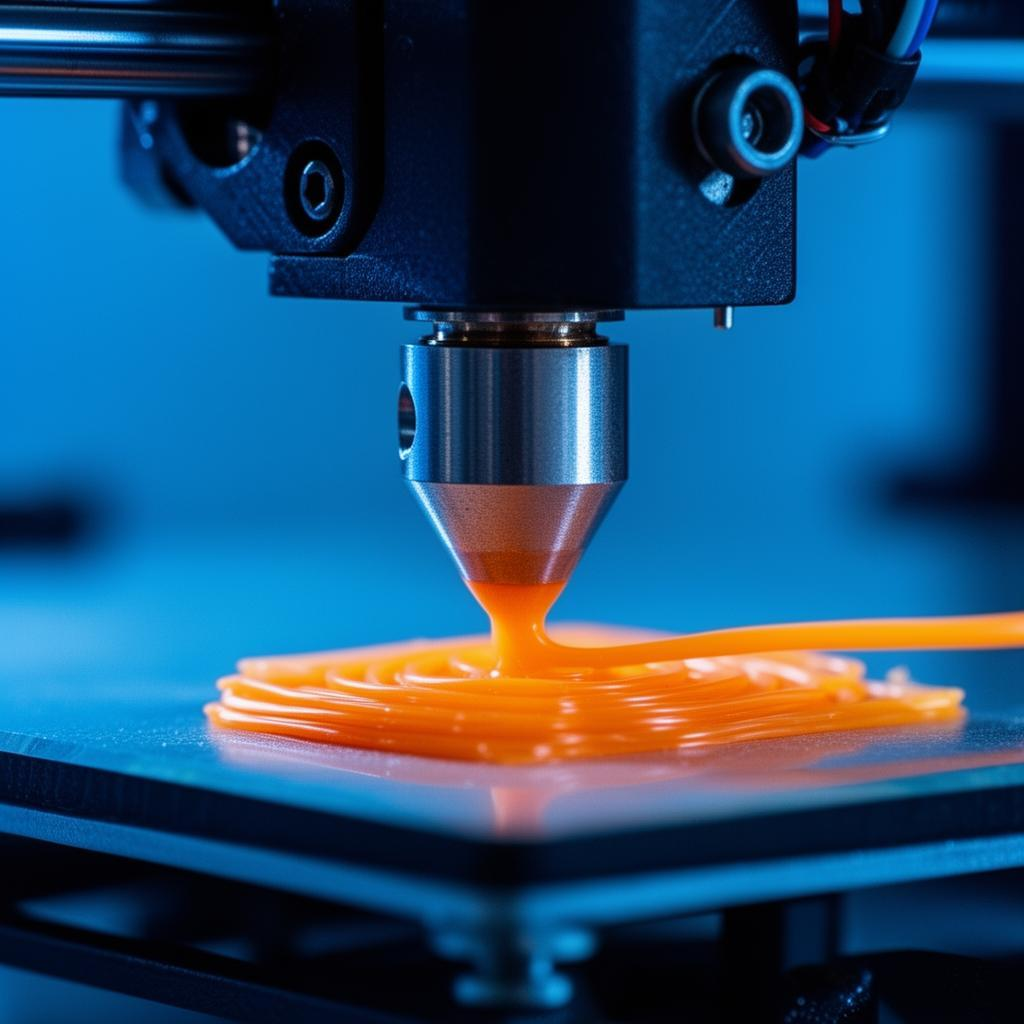
Fused Deposition Modeling (FDM), also known as fused filament fabrication (FFF), builds parts by extruding thermoplastic filament through a heated nozzle and depositing it layer by layer.
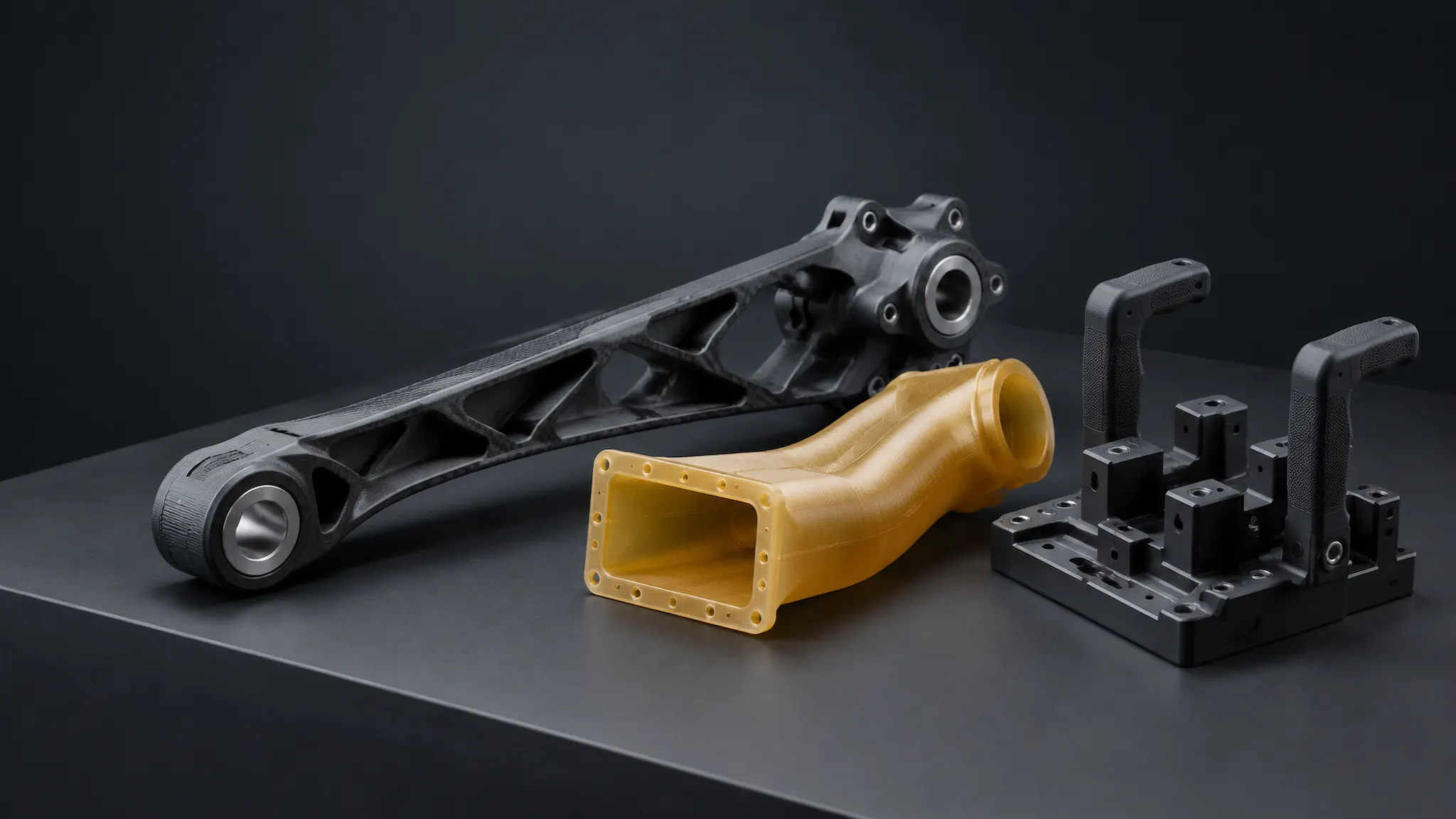
FDM is commonly used for early-stage prototypes, dimensional and assembly checks, custom fixtures, and selected functional parts. Its practical advantages include a broad range of filament materials and the ability to produce useful components without conventional molds or machining setups.
Plan layer direction, support access, and fit-critical dimensions before printing a functional prototype.
Get the Guide With Your QuoteFDM can be suitable for larger components, subject to the available build volume. Parts larger than the build area may require segmentation and assembly.
 Materials
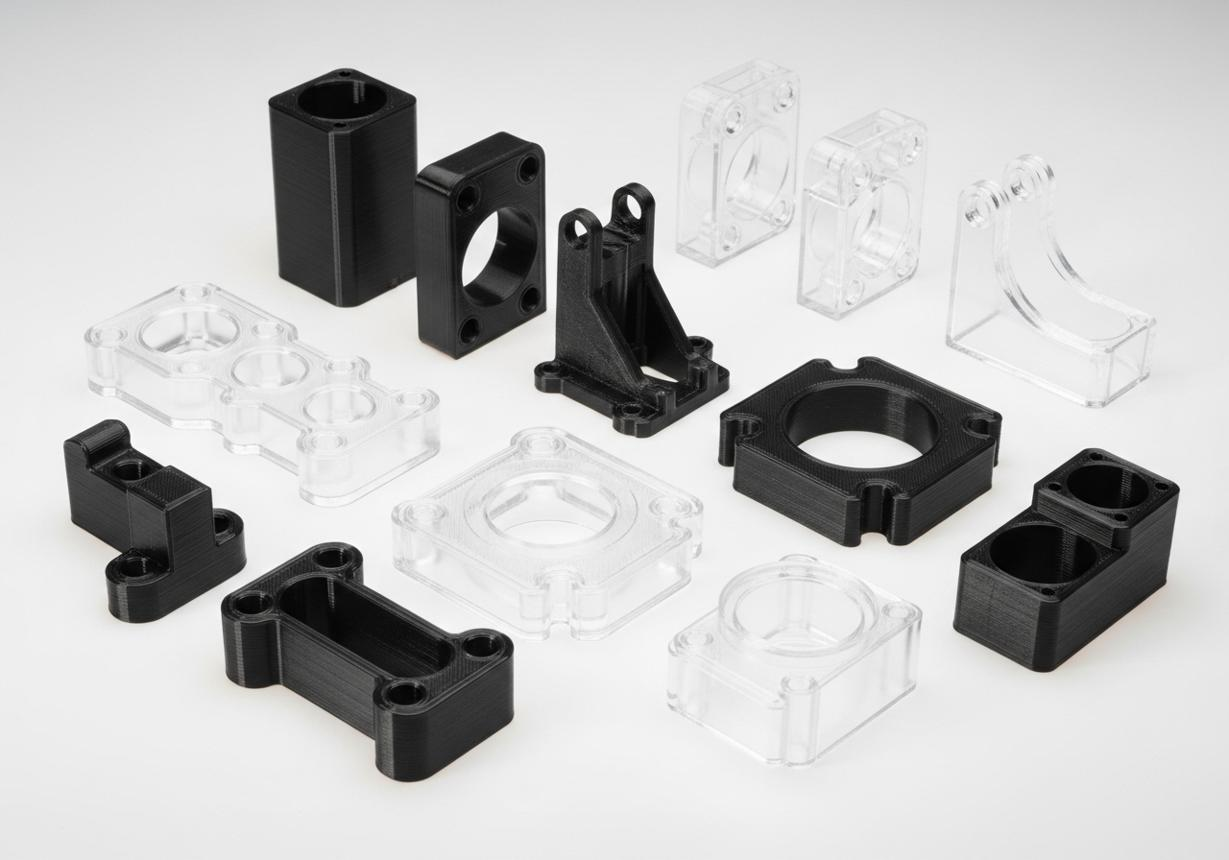
Material selection should be based on the intended application, mechanical requirements, temperature exposure, and the capabilities of the selected printing system.
The interlayer bonding of FDM parts can affect strength and anisotropic performance. For parts subjected to loads, repeated bending, high temperatures, or precision fits, the material grade, printing direction, and testing requirements should be clearly defined.
| Parameter | Typical Capability / Options |
|---|---|
| Process | Fused Deposition Modeling (FDM) |
| Material Type | Thermoplastic filament |
| Common Materials | PLA, ABS, PETG, ASA, nylon, and PC, subject to availability |
| Build Size | Depends on printer model and part orientation |
| Dimensional Accuracy | Depends on material, geometry, orientation, and machine capability |
| Surface Finish | Visible layer lines are typical; sanding and other finishing may be available |
| Support Structures | Required for selected overhangs and geometries |
| Post-Processing | Support removal, sanding, and other agreed finishing |
| Typical Order Volume | Prototypes, selected low-volume parts, and custom fixtures |
The Process
FDM parts are built layer by layer, so build orientation and layer direction can affect strength, surface quality, and dimensional accuracy. Support structures, overhangs, warping, and visible layer lines should be considered during design.
 Quality
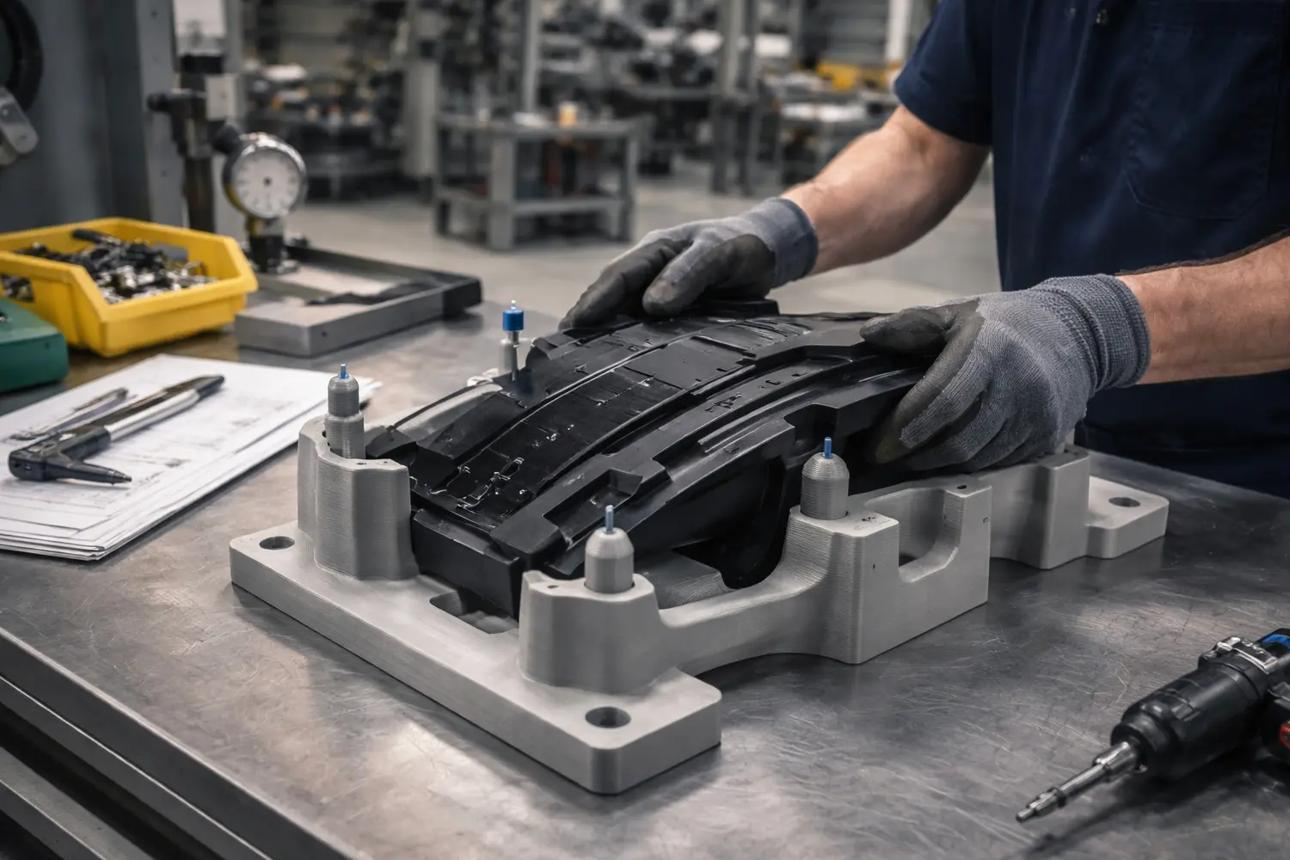
FDM is often chosen for practical prototypes and workshop components where cost, lead time, and fit evaluation are key considerations.
Review dimensions, form, and assembly interfaces.
Produce selected plastic parts for practical testing.
Develop custom holders and manufacturing aids.
Prototype larger components where build volume permits.
Check cover fit, mounting points, and service access during development.
Build physical models for demonstration, layout studies, and bench tests.
| Types of Parts | Function |
|---|---|
| Assembly jigs | Locate parts during trial assembly. |
| Equipment covers | Check mounting and cable clearance. |
| Fit-check models | Validate size and mating geometry before revising the design. |
Upload your CAD file today — get a detailed quote with DFM feedback within 24 hours.