
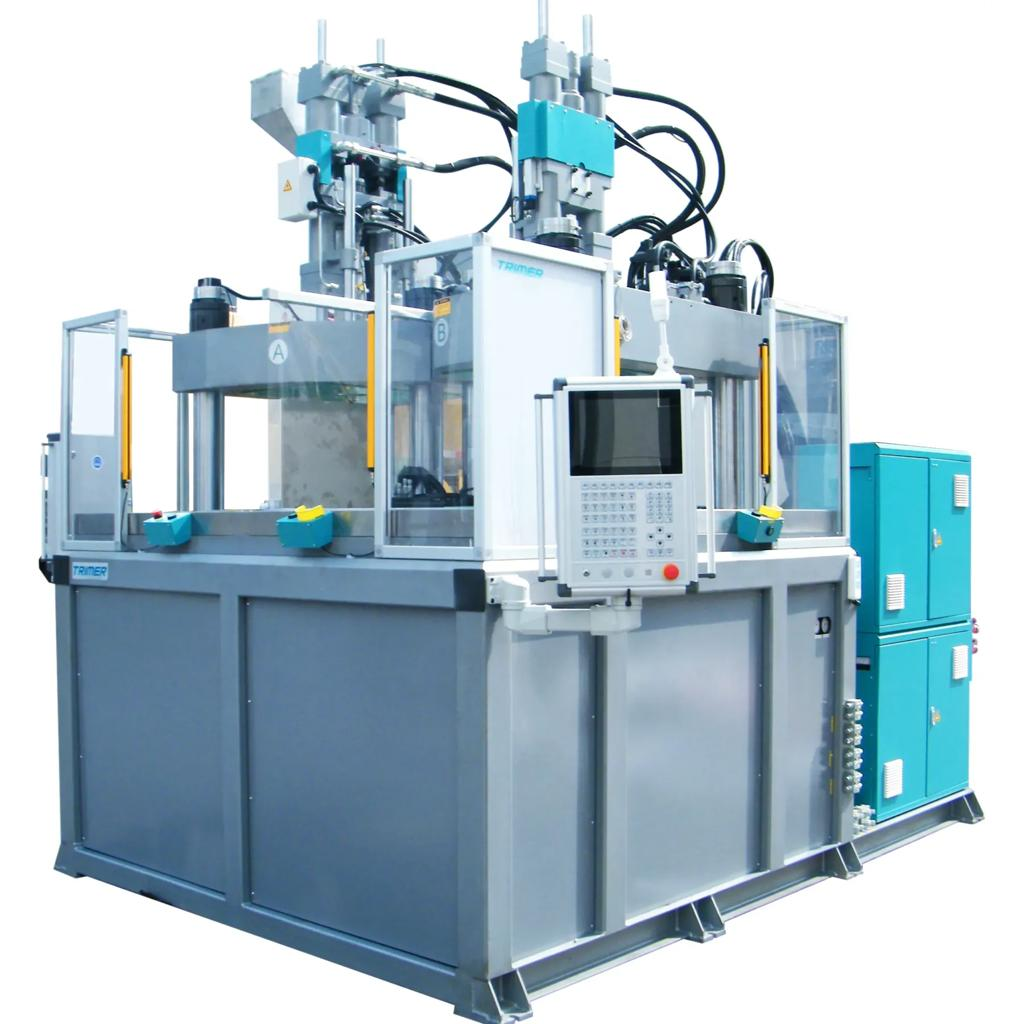
Liquid Silicone Rubber Molding Design Guide
Specify hardness, sealing geometry, and service temperature so the silicone grade and tooling can be evaluated together.
Get the Guide With Your QuoteBoValley supports liquid silicone rubber (LSR) molding projects for selected flexible, resilient, and precision-molded components. LSR can be suitable for parts requiring elastic recovery, sealing performance, and resistance to demanding environmental conditions, depending on the selected silicone grade and application.
Overview
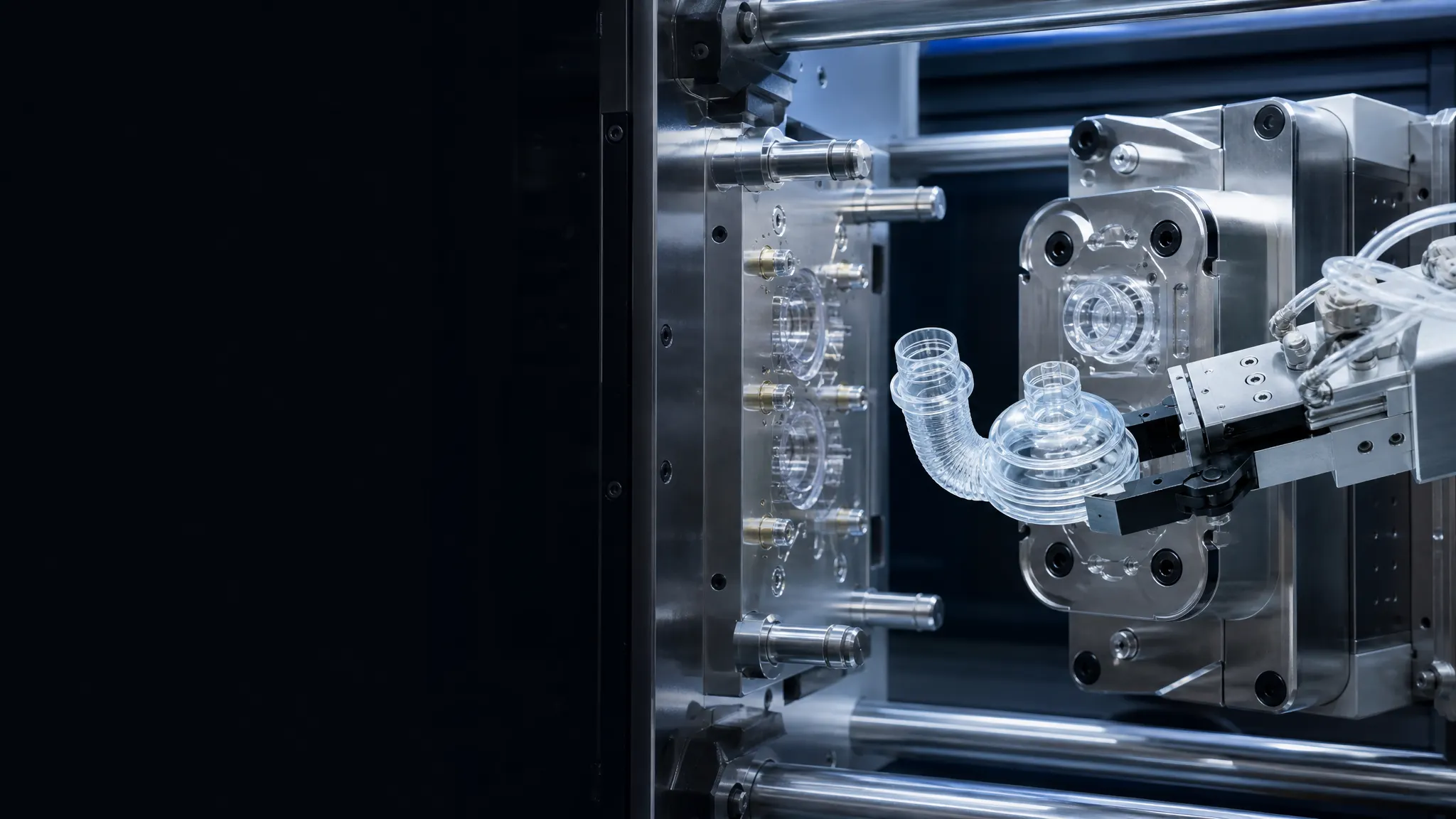
Liquid Silicone Rubber (LSR) molding uses a two-component liquid silicone system that is metered, mixed, and injected into a heated mold, where it cures into an elastomeric part. The process is used for selected components requiring flexibility, resilience, sealing, and stable performance across defined service conditions.
LSR is different from conventional thermoplastic injection molding. Silicone components are formed through a curing reaction rather than by cooling a molten thermoplastic. Mold design, material handling, curing conditions, and part removal all influence the final result.
Material grade and compliance requirements should be selected according to the actual application. Food-contact, medical, electrical, or other regulated uses require the appropriate material documentation and validation.
Specify hardness, sealing geometry, and service temperature so the silicone grade and tooling can be evaluated together.
Get the Guide With Your QuoteAssess thin sections, sealing lips, intricate profiles, and other design features against tooling and process requirements.
 Materials
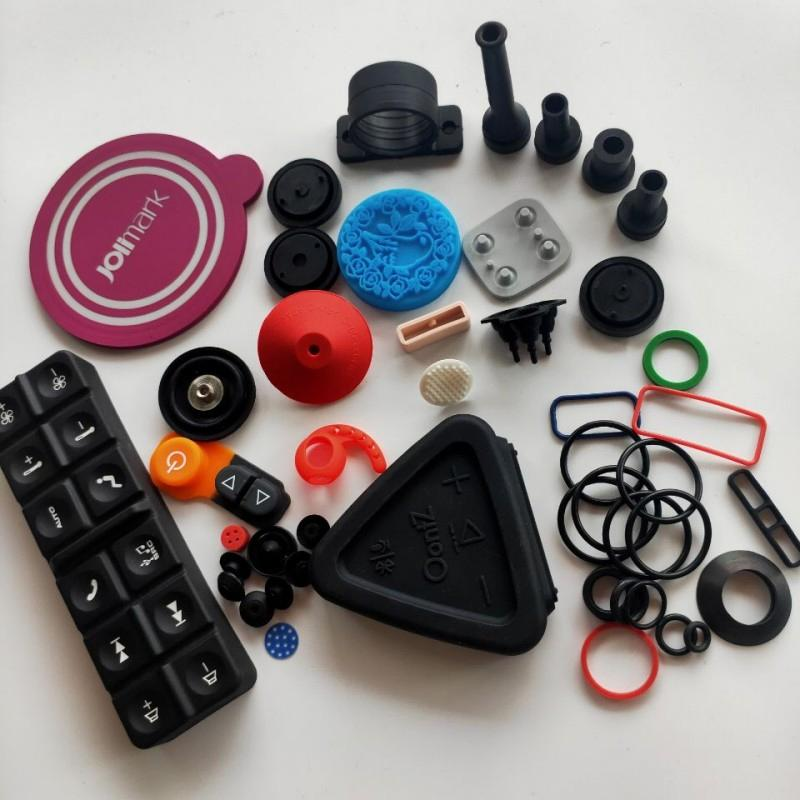
LSR grades are selected according to hardness, flexibility, temperature exposure, sealing requirements, color, and application-specific compliance. The following are material categories to discuss with the supplier.
LSR Technical Specifications and Design Considerations
| Parameter | Typical Options / Considerations |
|---|---|
| Material Characteristics | Elastomer, typically flexible |
| Material Type | Two-component liquid silicone system |
| Hardness | Selected Shore A grades, subject to material availability |
| Part Geometry | Seals, gaskets, membranes, flexible buttons, and selected thin-wall parts |
| Color | Natural translucent and selected colored grades, subject to availability |
| Curing | Heated mold and controlled curing cycle |
| Post-Processing | Deflashing, cleaning, and other agreed finishing or inspection |
| Quality Checks | Dimensions, flash, surface condition, and application-specific functional tests |
| Production Volume | Prototype or production tooling, subject to process and project feasibility |
The Process
Depending on the application, quality checks may focus on dimensions, flash, surface appearance, hardness, sealing features, and other functional requirements agreed for the project.
 Quality
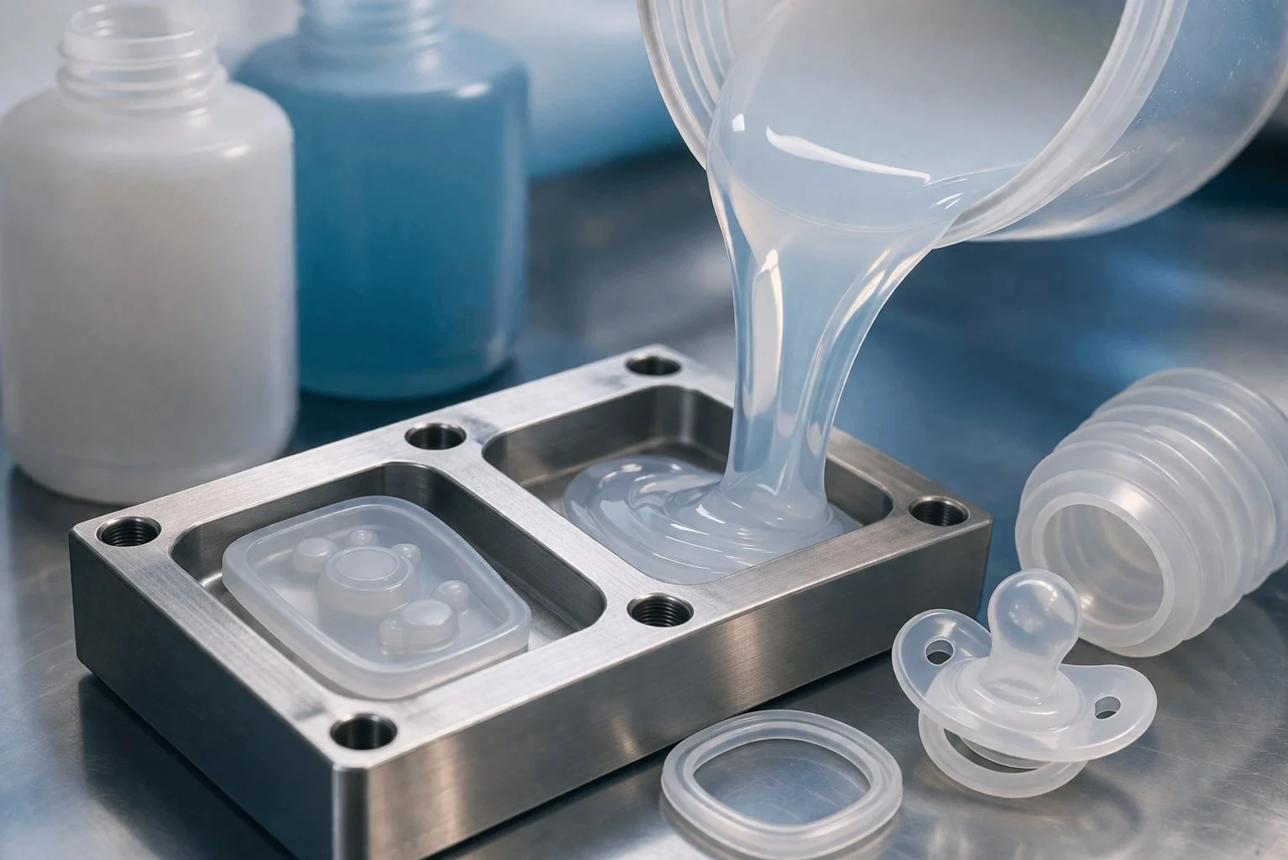
LSR is commonly considered for parts that need elasticity, repeatable shape recovery, and application-specific environmental performance.
Sealing interfaces and custom gasket components.
Protective covers and flexible molded shapes.
Flexible interfaces and tactile components.
Application-specific flexible parts.
Especially beverage, food, cosmetic, and pharmaceutical packaging.
Housings and components for smaller appliances.
| Types of Parts | Function |
|---|---|
| Sealing gaskets | Create a flexible contact interface between mating components. |
| Protective boots | Cover moving or exposed features while allowing deflection. |
| Keypads and diaphragms | Provide repeatable movement or tactile response in a molded part. |
Upload your CAD file today — get a detailed quote with DFM feedback within 24 hours.