
Prototype to Production Guide
As your design matures and quantities change, we can review manufacturing options against your technical requirements, expected demand, and project priorities.
Get the Guide With Your Quote
Solutions / Prototype to Production
Move your product from early prototypes toward production with a manufacturing partner that understands different stages of product development. BoValley supports prototype manufacturing, design refinement discussions, and production planning across CNC machining, sheet metal fabrication, injection molding, and 3D printing.
Overview
Product development rarely moves directly from a first prototype to final production. Designs may need multiple iterations, material changes, assembly checks, or additional testing before production requirements are fully established.
BoValley supports this progression by offering several manufacturing process options and discussing how each may fit the product's current stage. A prototype may be produced using CNC machining or 3D printing, while later stages may involve refined machining, sheet metal fabrication, or injection molding, depending on the design and quantity.
The objective is to make manufacturing decisions with the next stage in mind—while recognizing that the best process may change as the design, demand, and performance requirements become clearer.
As your design matures and quantities change, we can review manufacturing options against your technical requirements, expected demand, and project priorities.
Get the Guide With Your QuoteUse prototype results to refine the design, then review process, tooling, inspection, and order requirements for the production stage.
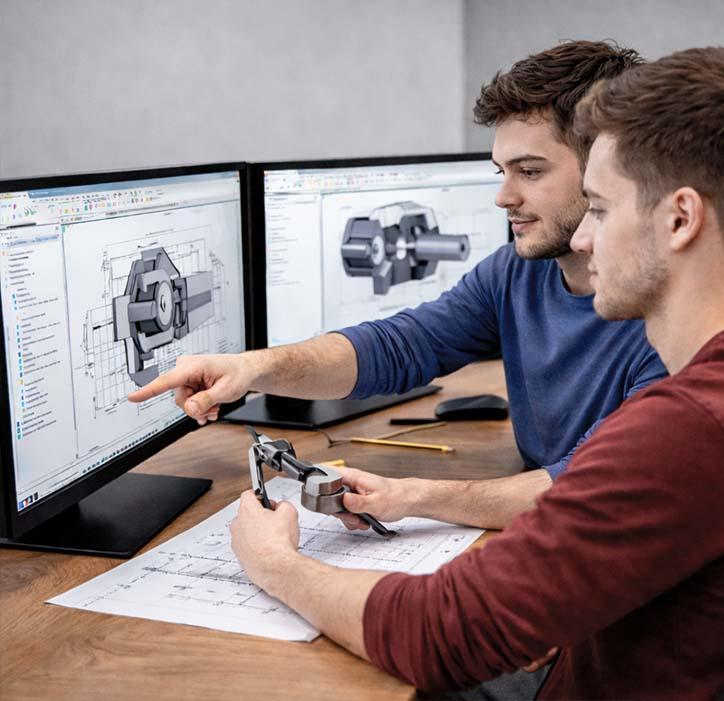
Review the design, development stage, application, quantity, and project timeline.
Learn More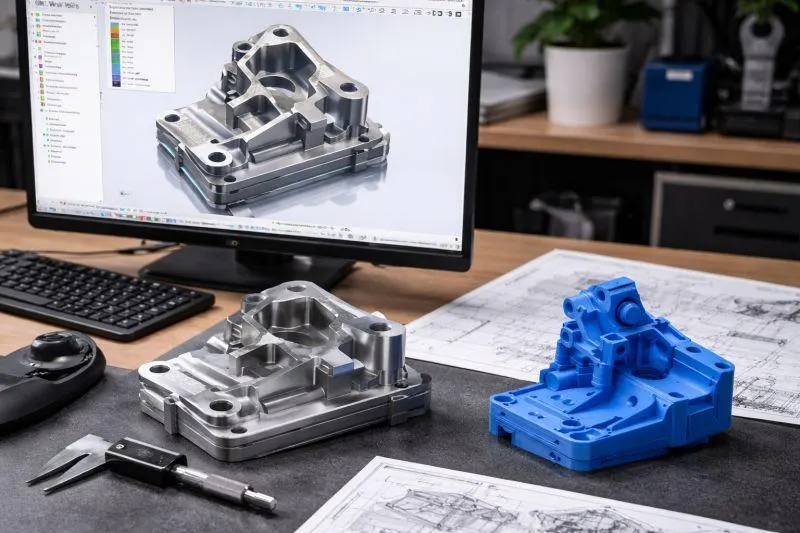
Produce prototypes suited to the required materials, appearance, and functionality.
Learn More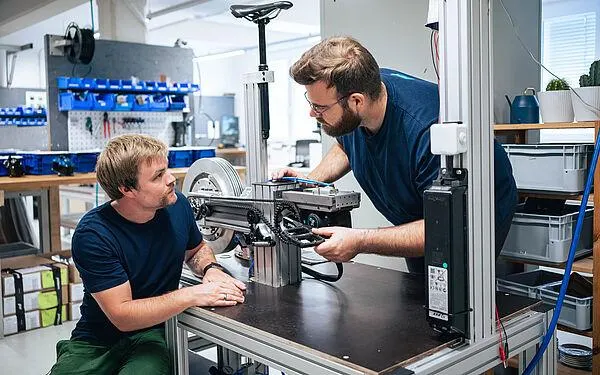
Review prototype feedback and compare production methods, tooling, finishing, and costs.
Learn More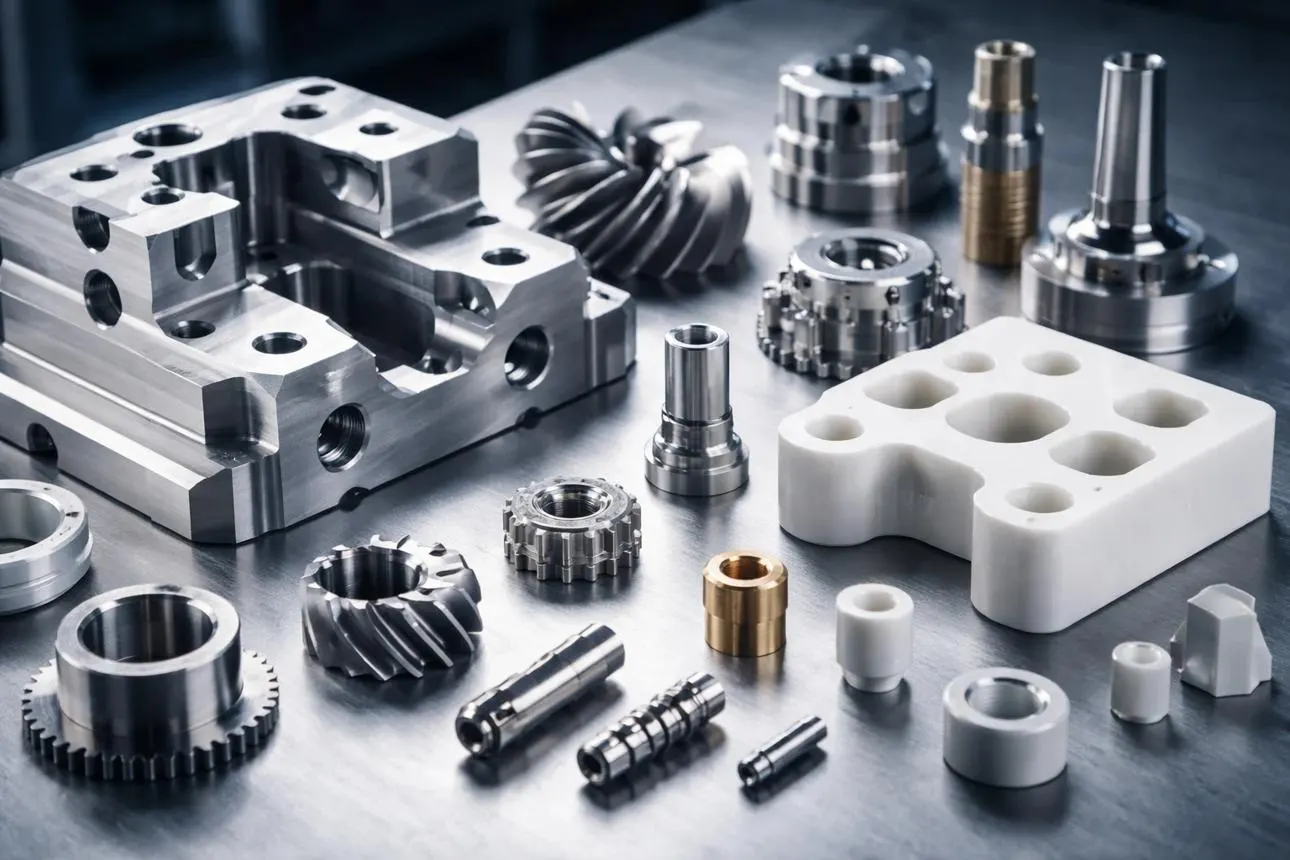
Confirm specifications, quality requirements, quantities, and delivery schedules before production.
Learn MoreDifferent product stages may call for different manufacturing approaches. BoValley can review the following options according to the product's design maturity and production needs.
Suitable for prototypes and production components where the design, material, geometry, and required quantities favor machining.
Learn MoreSupports the development of brackets, panels, enclosures, and fabricated structures through cutting, forming, and joining.
Learn MoreCan be considered when molded plastic parts and the anticipated volume justify tooling and production planning.
Learn MoreSupports early-stage design iterations and selected functional or low-volume parts without conventional mold tooling.
Learn MoreCompare suitable routes across metal and plastic components.
Match process choices to current requirements rather than assuming one method fits every stage.
Clarify design revisions, critical features, and quality requirements before production changes.
Consider expected demand and tooling investment when evaluating future manufacturing.
 Prototypes
Advantages
Carrying forward approved dimensions, materials, and test findings helps make the next production decision clearer.
 Applications
This approach is useful for businesses developing new products or refining existing components before committing to a longer-term production plan.
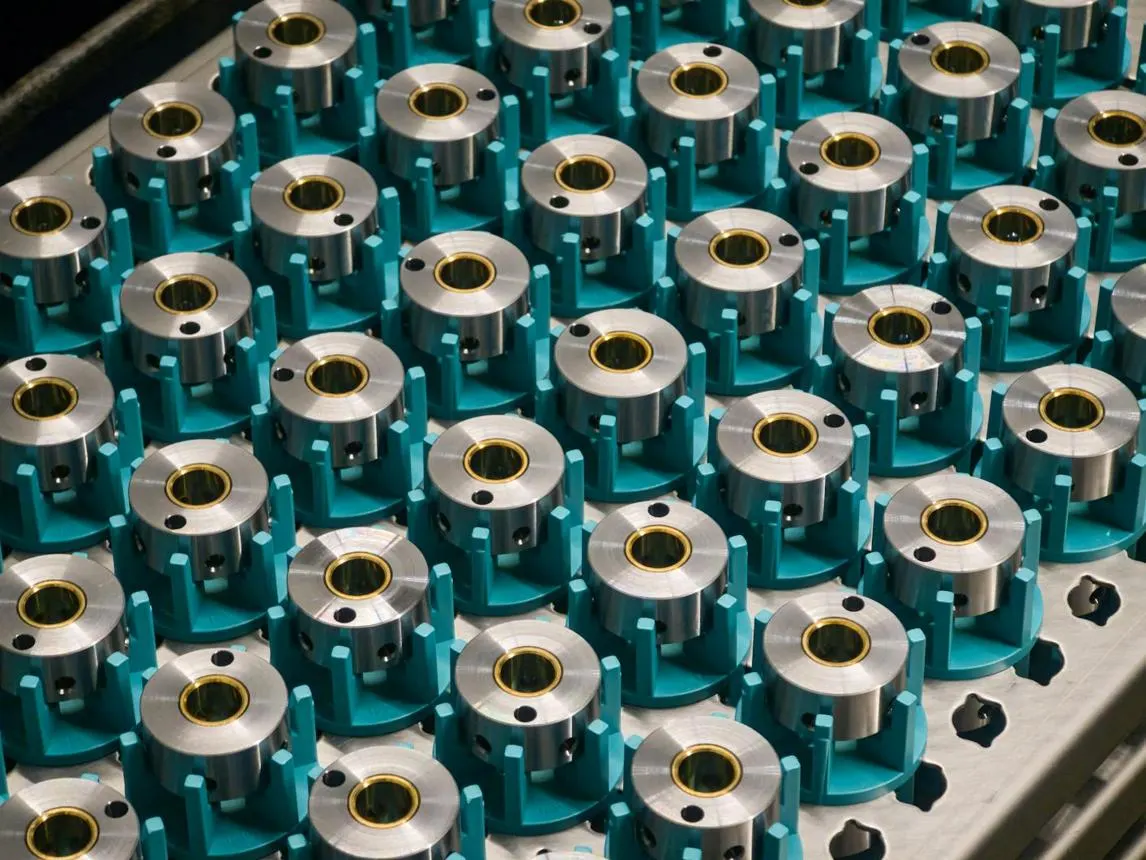
Use these resources to turn lessons from a prototype into production drawings, material specifications and inspection requirements.
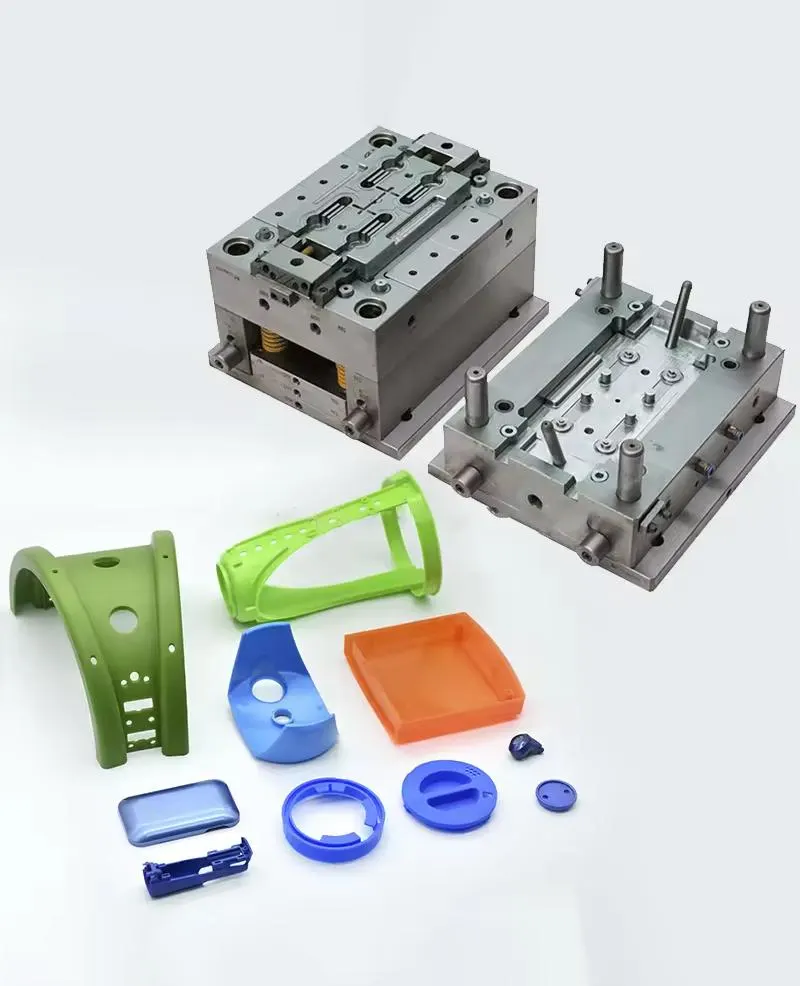
Learn about molded plastic components and production tooling considerations.
Read Guide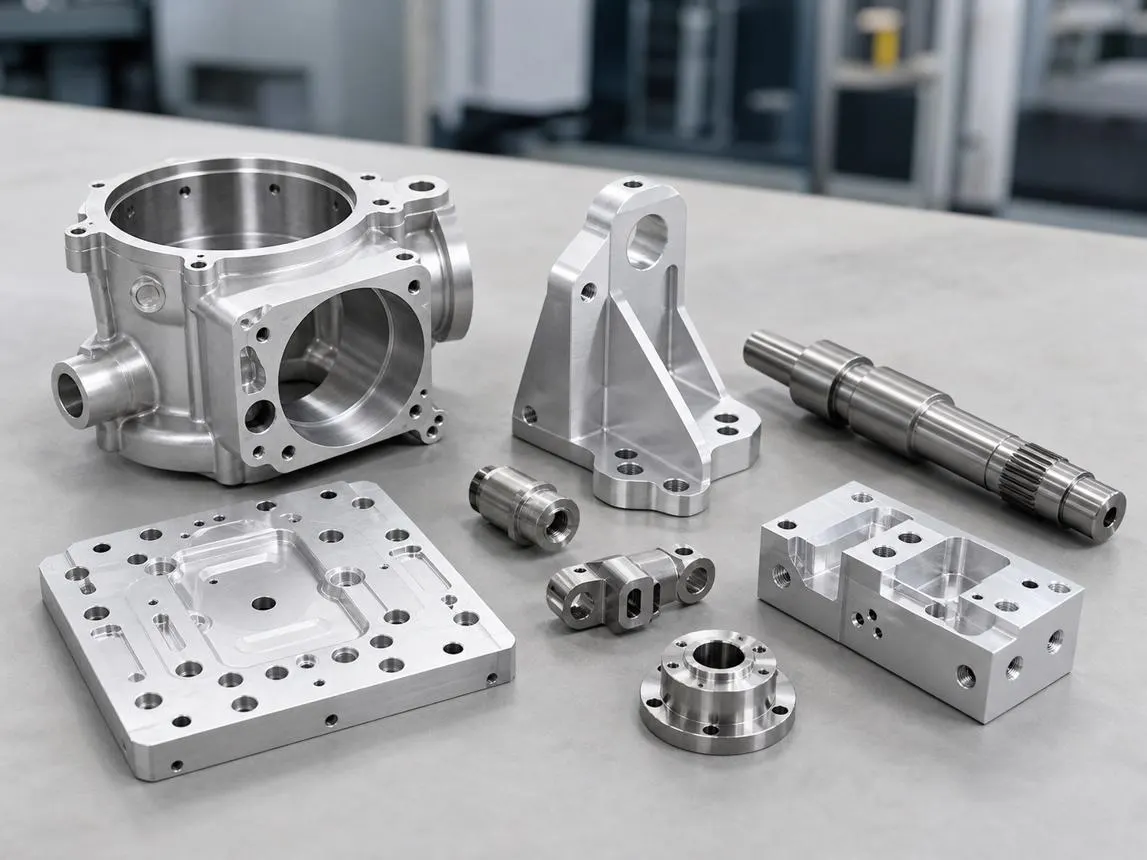
Share your CAD files and project requirements. An engineer will review the details and follow up with pricing and any manufacturability questions.