
Design & Drawing Review
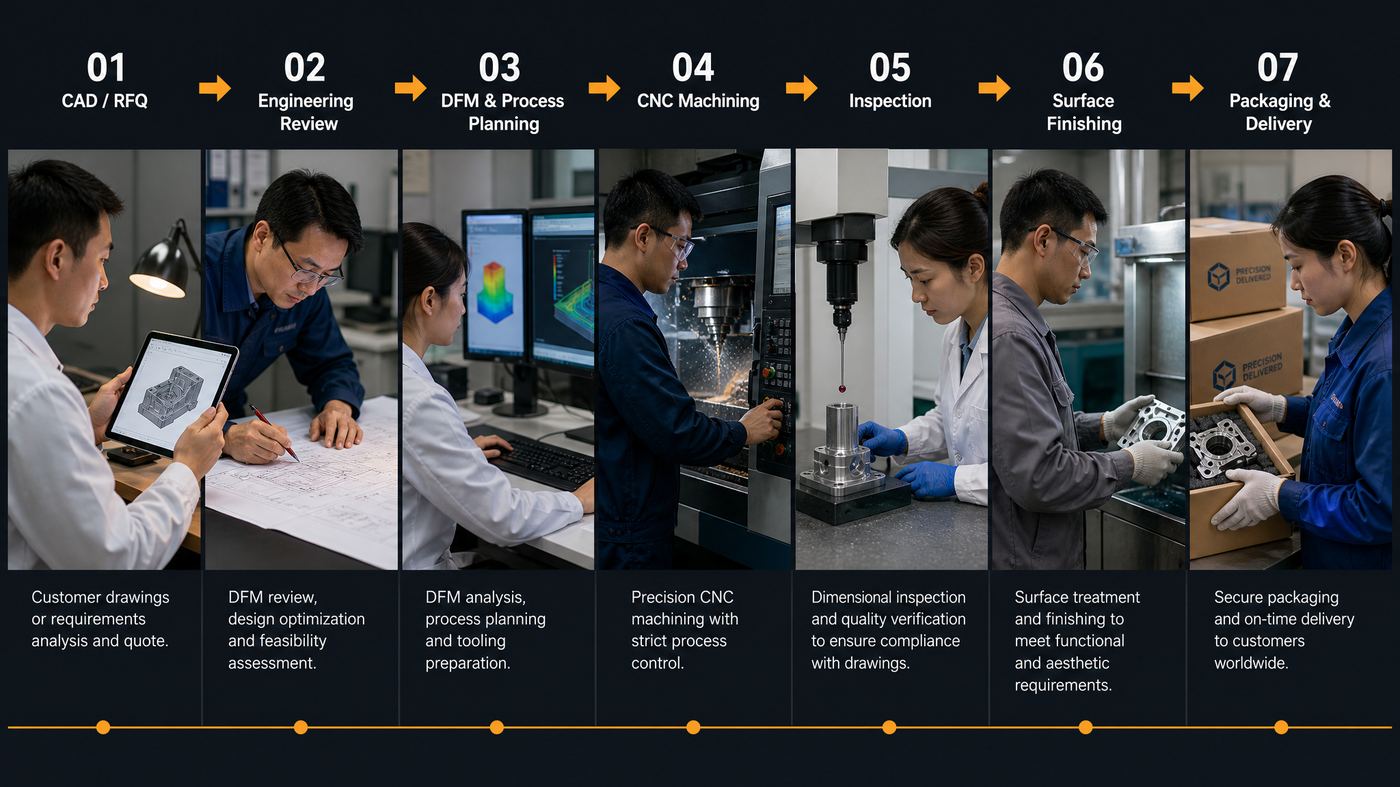
Review 3D models, 2D drawings, critical dimensions, interfaces, and specified materials to clarify manufacturing requirements before production.
Industries / Automotive
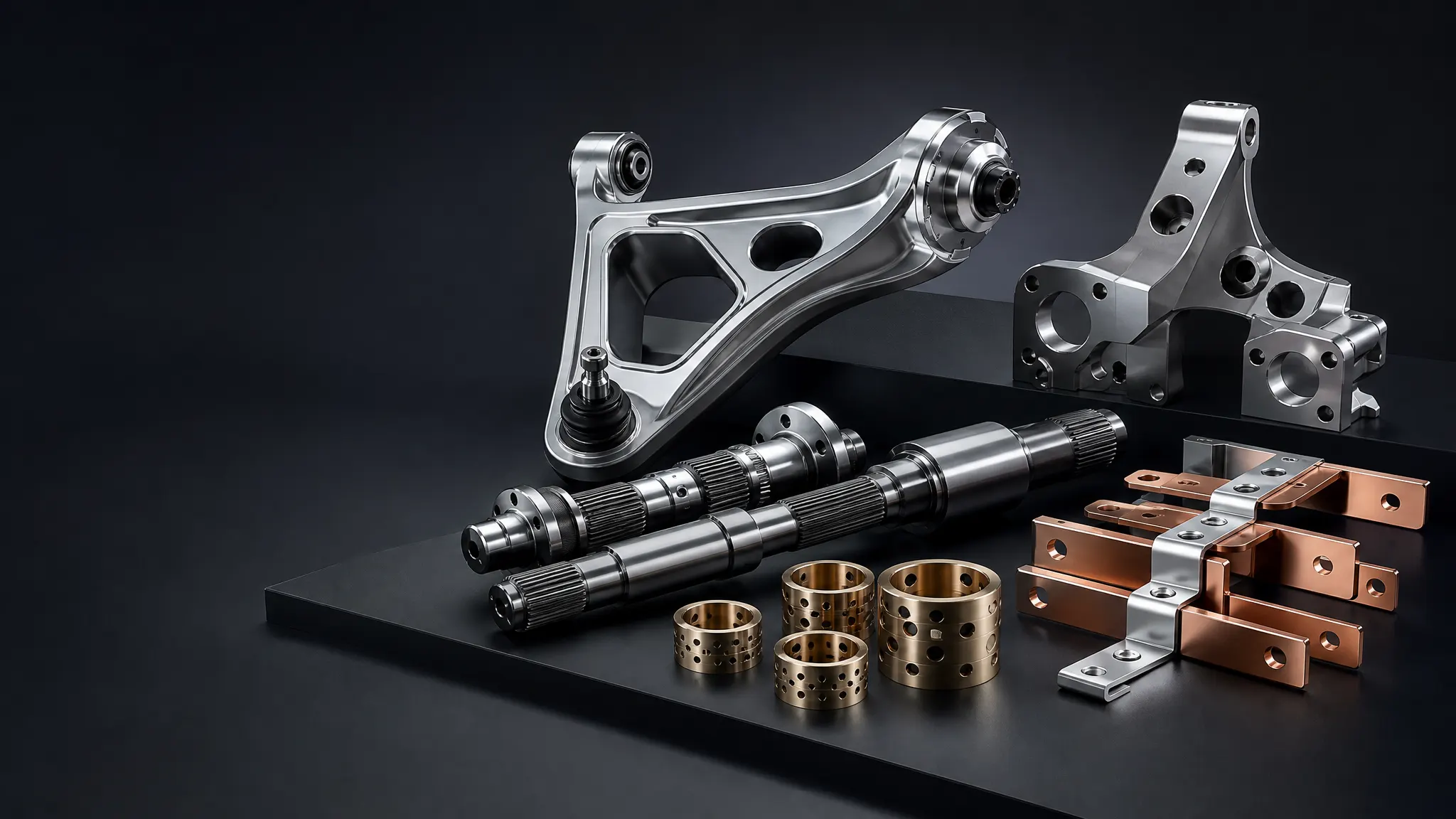
From functional prototypes to production-ready components, BoValley provides custom manufacturing solutions for automotive engineering, product development, and component validation.
BoValley helps customers evaluate production options according to part geometry, quantity, functional requirements, surface finish, and delivery expectations.
Review 3D models, 2D drawings, critical dimensions, interfaces, and specified materials to clarify manufacturing requirements before production.
Manufacture custom prototype parts for dimensional checks, fit tests, design evaluation, and engineering development.
Support subsequent revisions based on updated drawings, assembly feedback, and agreed engineering changes.
Assess suitable manufacturing methods for pilot quantities, replacement components, and selected repeat-production orders.
Identify critical dimensions and discuss practical inspection methods according to the drawing.
Our project support focuses on translating part requirements into clear manufacturing instructions.
Identify critical features, hole patterns, interfaces, and drawing details that may require clarification.
Discuss how part geometry, wall thickness, features, and quantity may affect process selection.
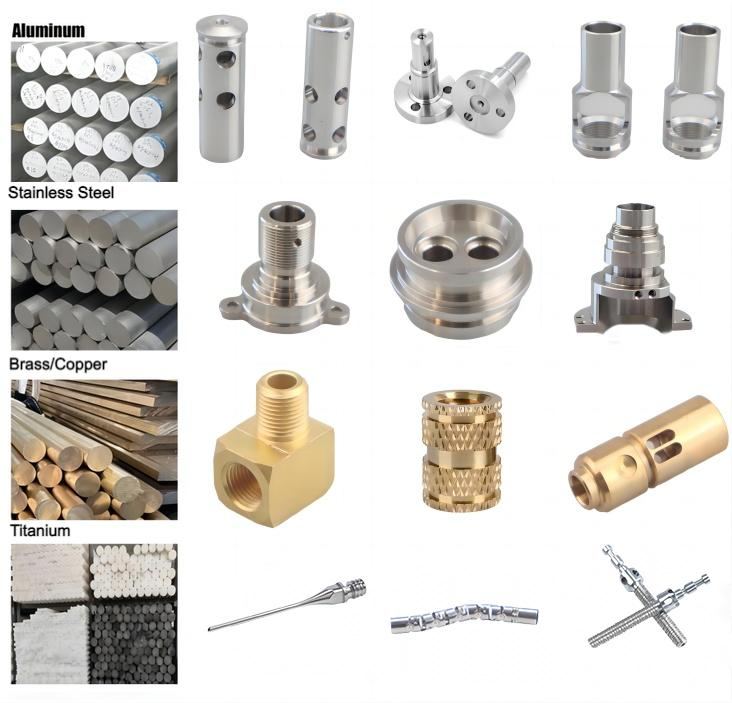
Compare suitable materials and finishes based on mechanical function, appearance, environment, and cost considerations.
Communicate updates to drawings, quantities, or specifications before changes are released for manufacturing.
BoValley offers four manufacturing processes for different automotive component geometries and project stages.
Suitable for metal and engineering-plastic components requiring defined dimensions, machined features, mounting interfaces, and functional surfaces.
For formed parts and assemblies where sheet thickness, bend geometry, mounting features, and structural configuration matter
For plastic parts with repeatable geometry and requirements suited to mold-based manufacturing.
Useful for complex geometries, early-stage prototypes, design iterations, and selected low-volume components.
BoValley approaches quality planning through drawing review, agreed specifications, and appropriate inspection methods.
 Materials
 Applications
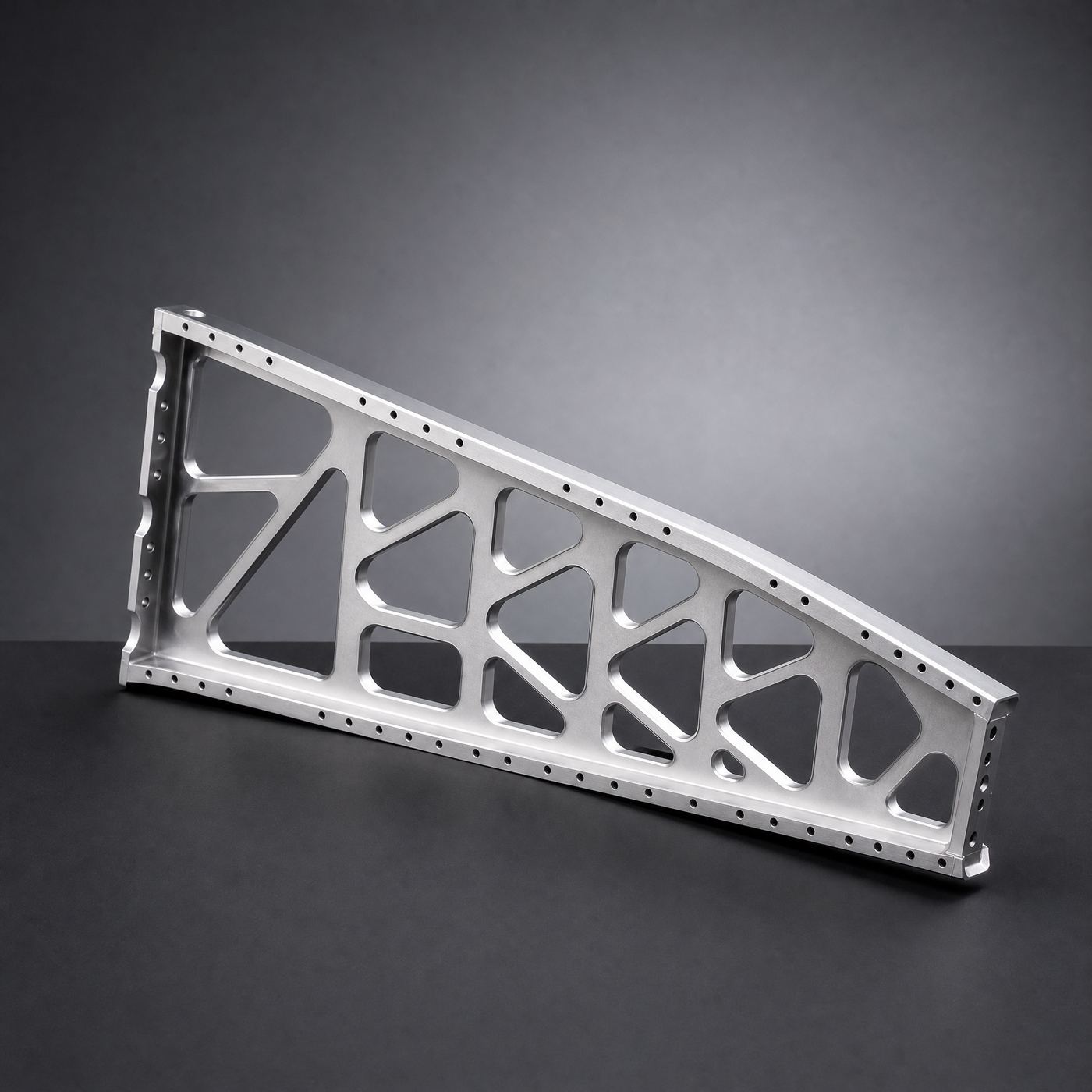
Capabilities across our manufacturing services cater to the automotive industry. Here are a few applications we frequently see:
Explore Automotive Manufacturing Resources
Learn about CNC milling, turning, and multi-axis machining options.
Learn More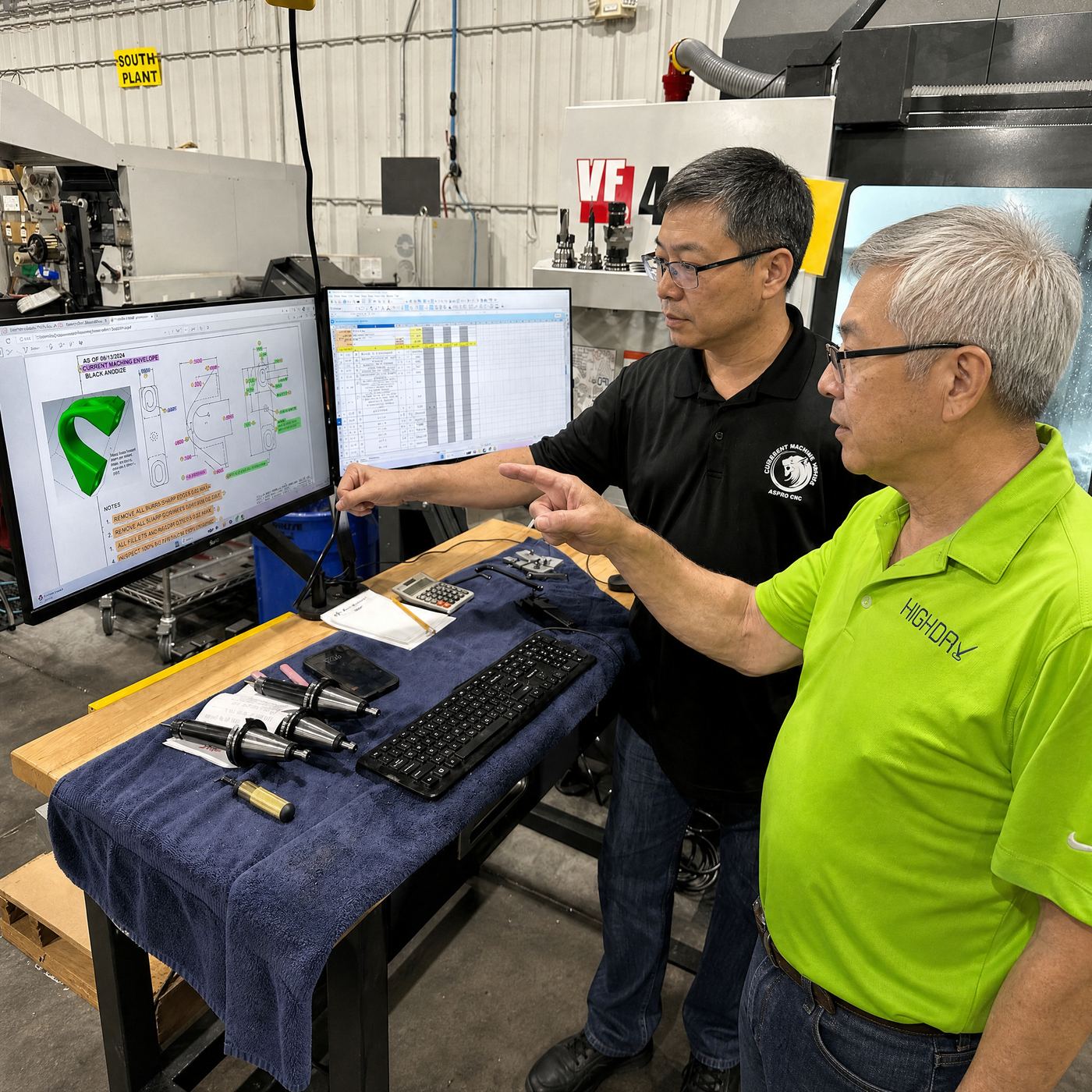
Explore tooling-based manufacturing for custom plastic components.
Learn More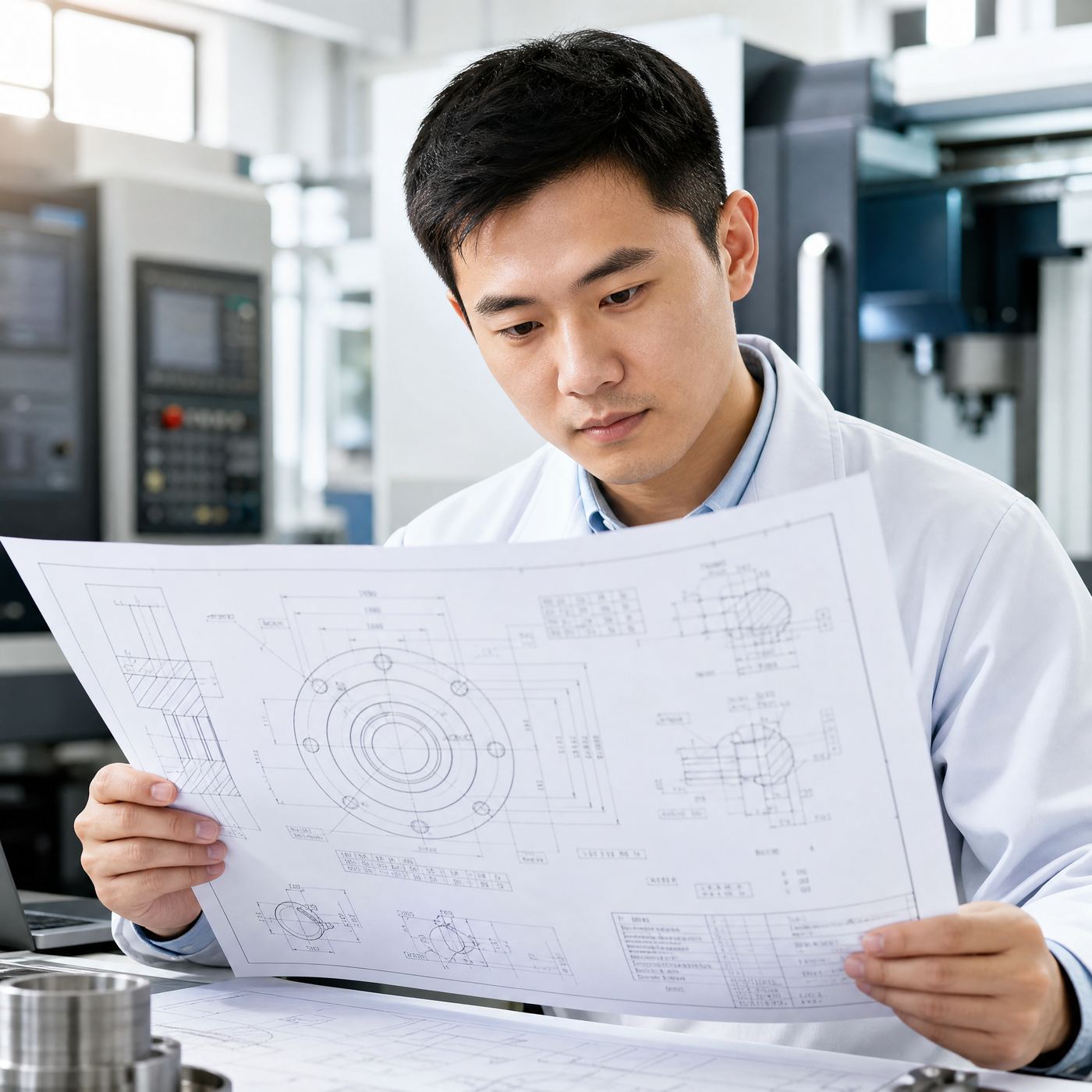
Explore examples of an aluminum housing, an EV battery mounting bracket and molded interior components.
Read Case StudiesShare your CAD files and project requirements. An engineer will review the details and follow up with pricing and any manufacturability questions.