
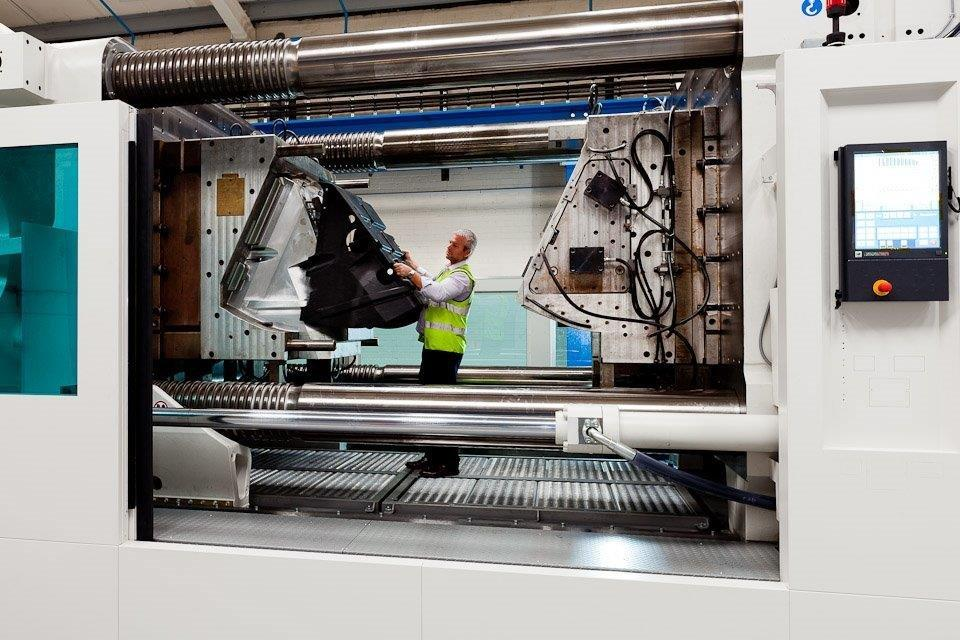
Production Injection Molding Design Guide
Set the resin grade, approved sample, and appearance criteria before validating tooling for repeat orders.
Get the Guide With Your QuoteScale your plastic parts into repeat production with coordinated tooling, material selection, process planning, and quality checks tailored to your project requirements.
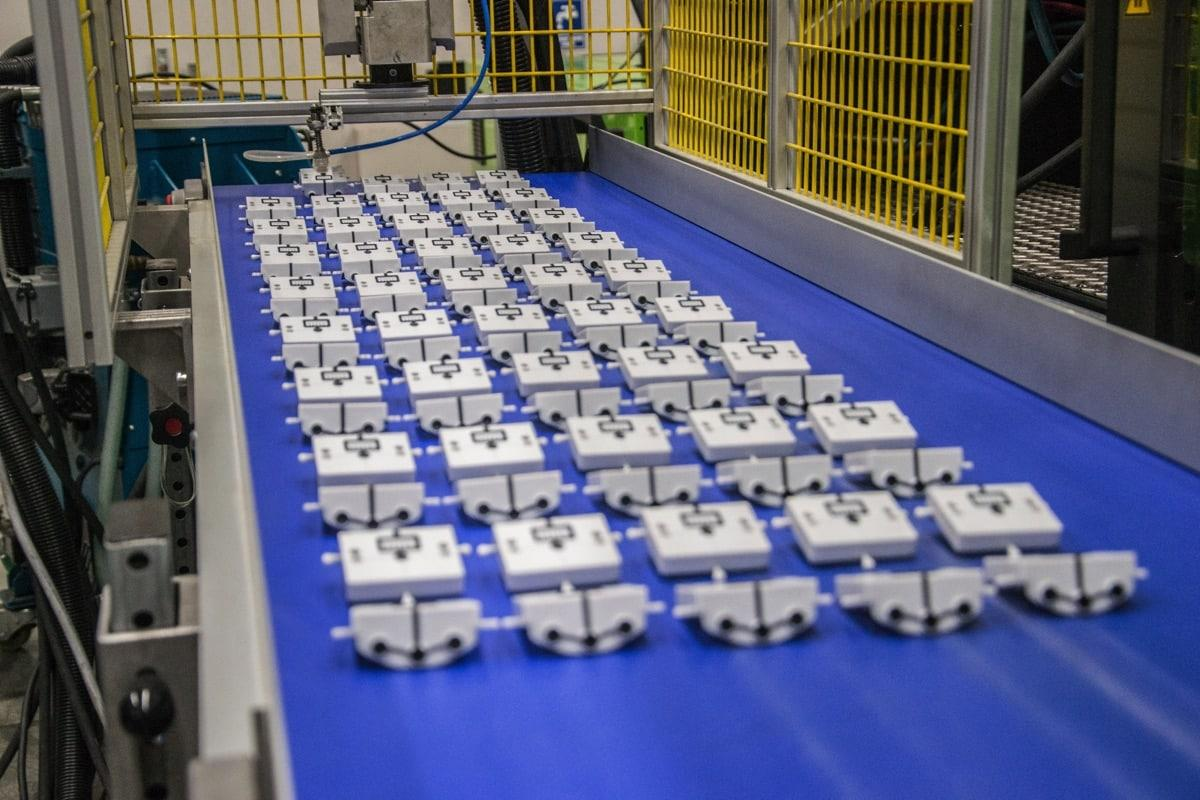
Overview
Production injection molding is used to manufacture plastic parts in recurring quantities using dedicated tooling and a controlled molding process. Molten thermoplastic is injected into a mold cavity, cooled, and ejected to create the required part geometry.
Successful production depends on more than the mold itself. Material control, process setup, dimensional requirements, cosmetic standards, inspection methods, and change management should be considered together.
BoValley can review your drawings, annual or order quantity, resin specification, and acceptance criteria to help define an appropriate manufacturing approach.
Set the resin grade, approved sample, and appearance criteria before validating tooling for repeat orders.
Get the Guide With Your QuoteOur basic guidelines for Production Injection Molding include important design considerations to help improve part moldability, enhance cosmetic appearance, and reduce overall production time.
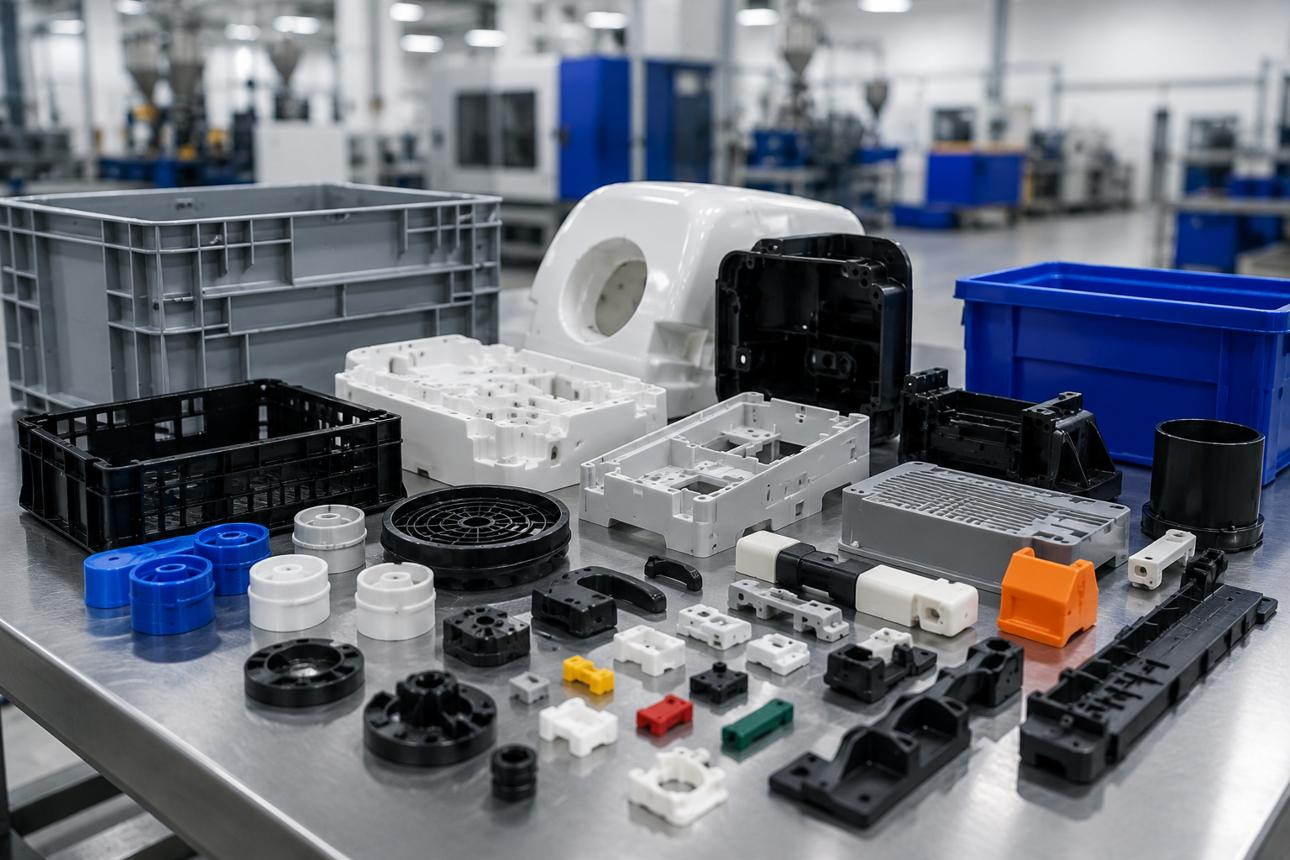 Materials
Production resin selection should be based on part performance, environment, appearance, regulatory needs where applicable, and the consistency of the supply specification. Material grade and color should be confirmed before production release.
Standard finish options available for all cavities in a Production Injection Molding. Finishes are applied uniformly so every part in the shot matches.
| Parameter | Project Considerations |
|---|---|
| Process | Production injection molding |
| Tooling | Dedicated tooling selected for expected volume, part geometry, and service life |
| Material Options | ABS, PC, PC/ABS, PP, PA, POM, and other qualified thermoplastics, subject to availability |
| Production Volume | Based on forecast, order quantity, tooling strategy, and available capacity |
| Part Size | Depends on mold dimensions, machine capacity, and part geometry |
| Dimensional Control | Defined by drawing tolerances, resin behavior, tooling, and process capability |
| Surface Finish | Defined by mold finish, resin, texture, color, and secondary operations |
| Quality Checks | Agreed dimensional, visual, and functional checks |
| Repeat Orders | Supported according to tooling status, material availability, and production planning |
The Process
The overall economics of injection molding depend on tooling investment, part design, material selection, cycle time, cavity count, and production volume. We review these factors to help identify an appropriate manufacturing approach for your project.
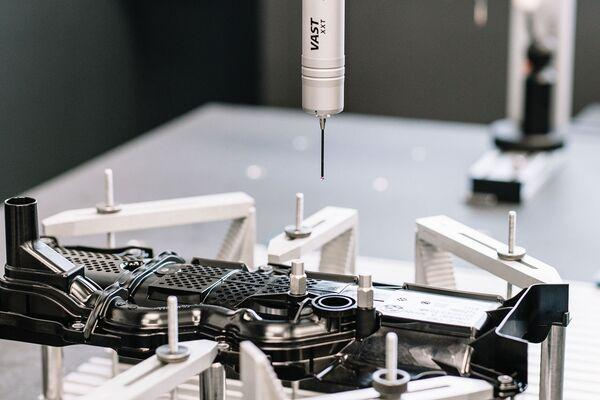 Quality
Production injection molding is suitable for many plastic components that require recurring supply and consistent specifications.
Manufacture housings and internal plastic components for electronic devices.
Produce interior components, clips, covers, and other functional plastic parts.
Create equipment housings, mounting components, and durable functional parts.
Manufacture plastic components for appliances and everyday equipment.
Produce robotics housings and selected mechanical interface components.
Manufacture electrical enclosures and connectors based on material and application requirements.
| Types of Parts | Function |
|---|---|
| Plastic housings | Hold mounting features and appearance to the approved sample. |
| Clips and retainers | Produce recurring plastic parts with defined fit requirements. |
| Equipment covers | Repeat a qualified geometry and finish across orders. |
Upload your CAD file today — get a detailed quote with DFM feedback within 24 hours.