A tolerance defines the variation your design can accept. Apply the tightest controls to the features that affect fit, motion, sealing or alignment. Start with what the assembly needs, then check whether the drawing specifies a practical way to manufacture and inspect it.
Separate critical features from general dimensions
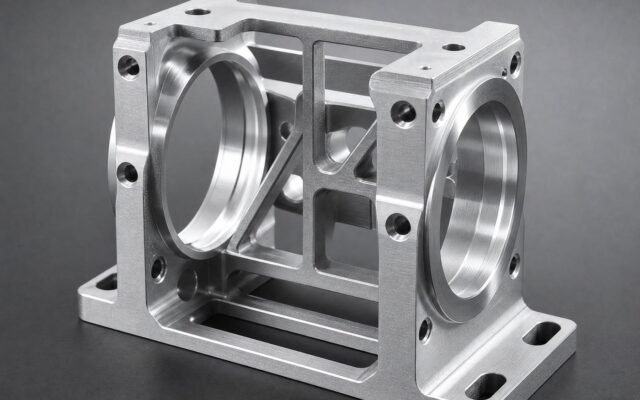
A locating bore, bearing seat or sealing face may need close control. An outside edge with clearance around it may only need the general drawing tolerance. Mark the features that control performance so the quote reflects the work needed on those features.
Check the stack across mating parts
Assess how allowed variation combines across the parts in the assembly. For a removable cover, a hole pattern may need to align with the base even if each part passes inspection on its own. Review the chosen datum scheme and the clearance at the fasteners before tightening the tolerance on every hole.
Agree on how critical dimensions will be inspected
Identify the reference faces and features on the drawing. Specify any inspection report or sampling requirement when requesting a quote, and discuss how the feature will be measured after finishing. Use a prototype fit check to confirm that the tolerance works before locking the production drawing.
Explore the CNC machining design guide and manufacturing engineering support.