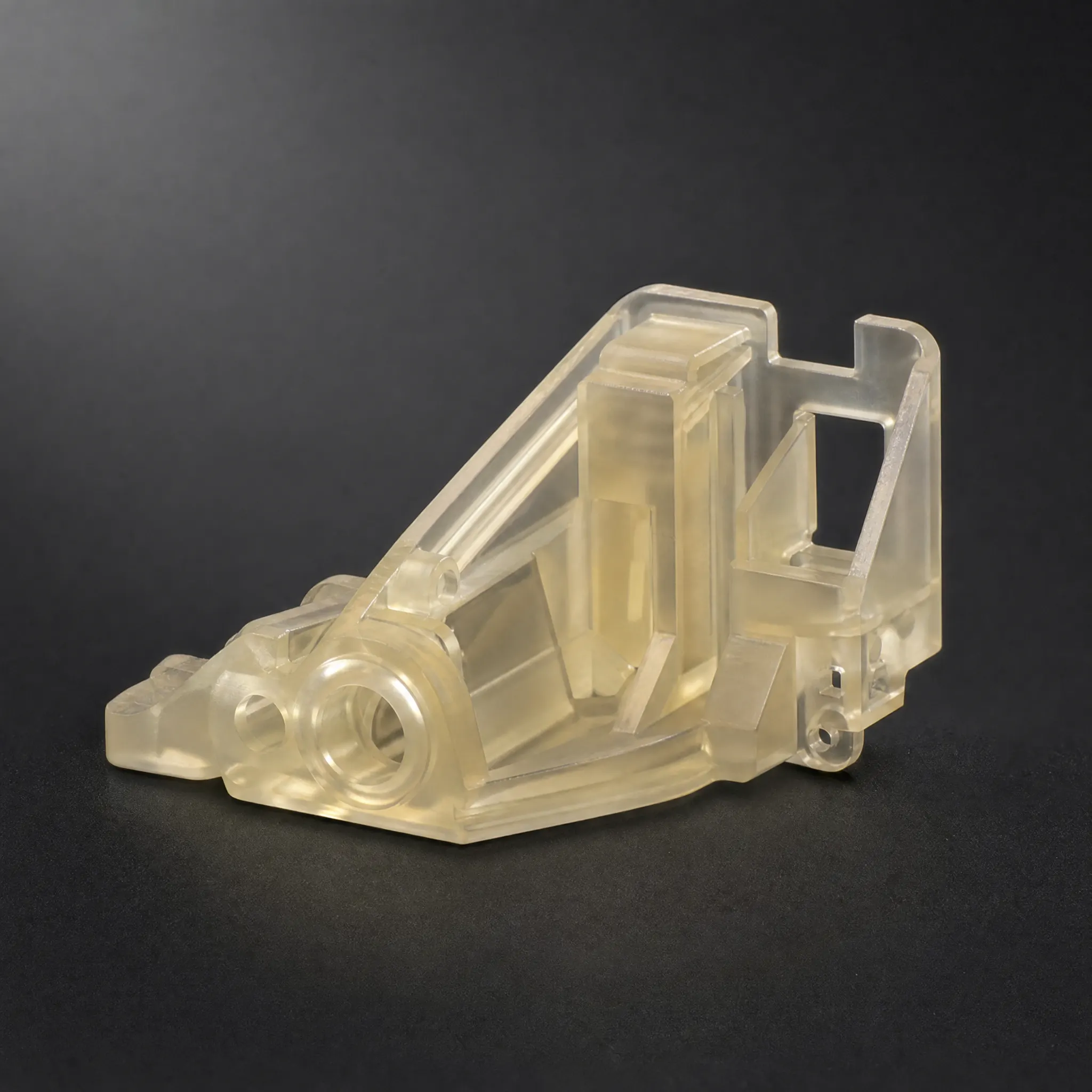
Stereolithography (SLA)
Creates high-resolution parts with smooth surfaces and fine details for precise prototypes.
Learn MoreBoValley provides industrial 3D printing solutions for rapid prototypes, functional testing, complex geometries, and low-volume production.
3D printing processes including SLA, SLS, MJF, FDM, and metal 3D printing, tailored for rapid prototyping, functional testing, complex geometries, and low-volume production.
Creates high-resolution parts with smooth surfaces and fine details for precise prototypes.
Learn More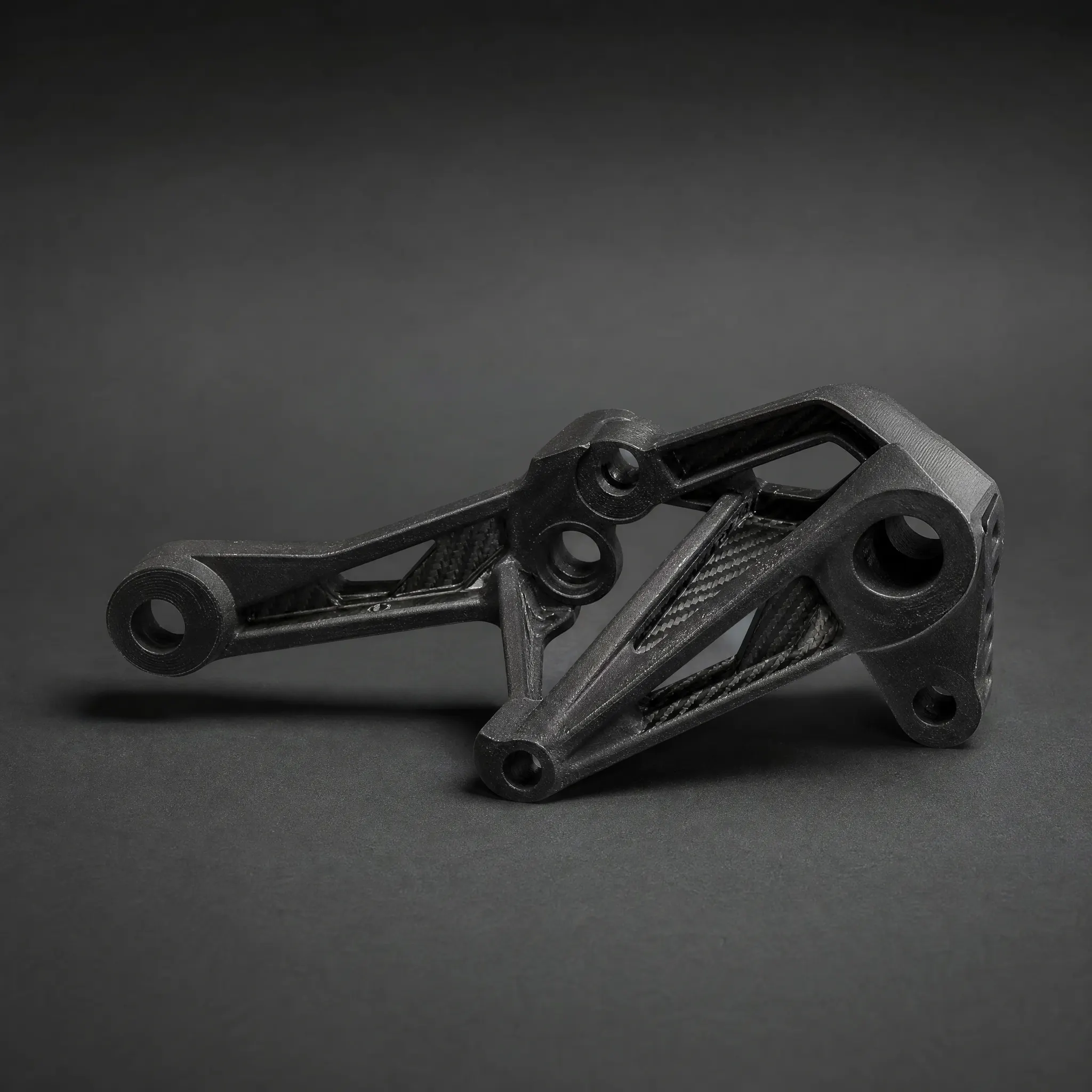
Produces durable, complex parts without support structures, ideal for functional prototypes and small batches.
Learn More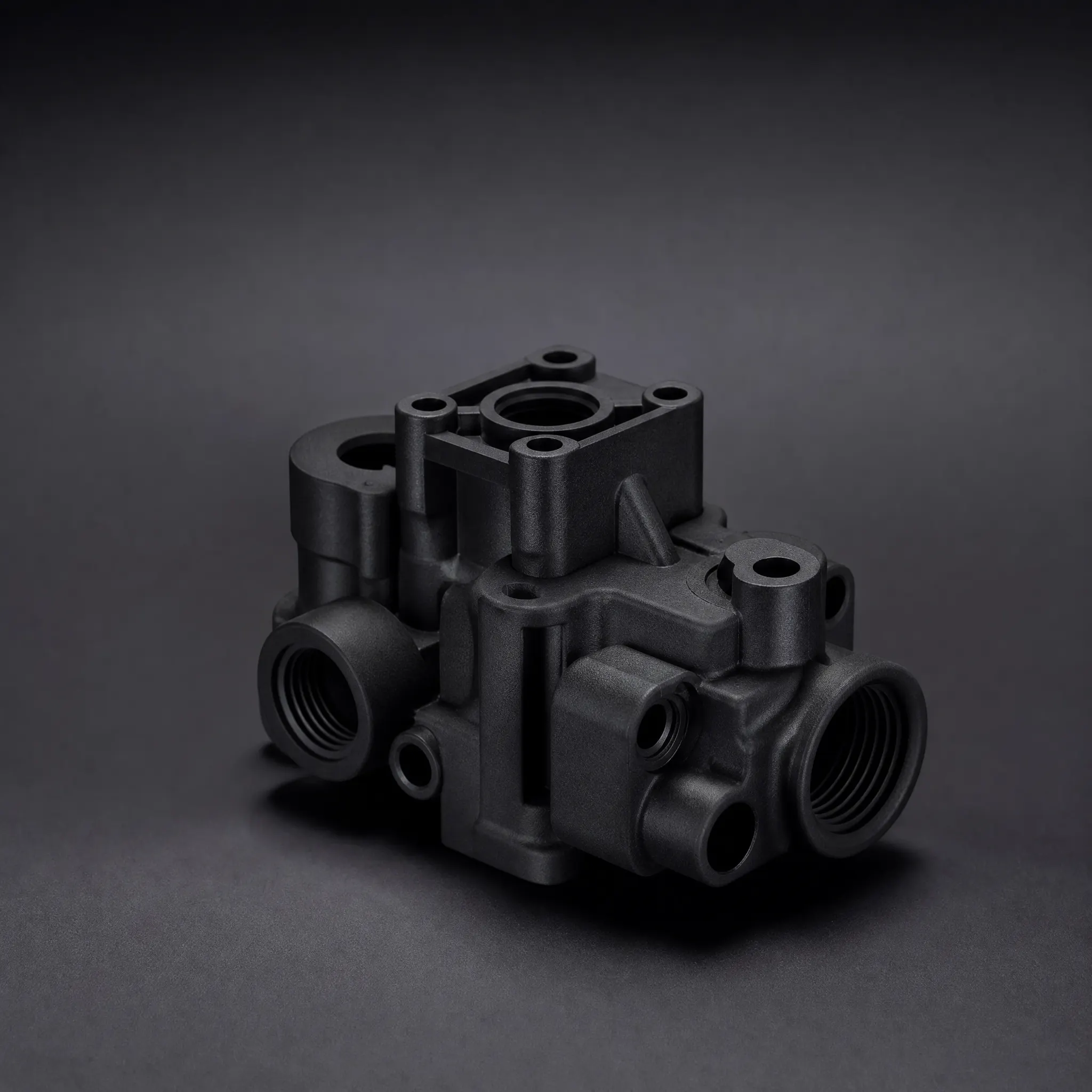
Delivers strong, detailed parts with consistent quality for functional prototypes and end-use applications.
Learn More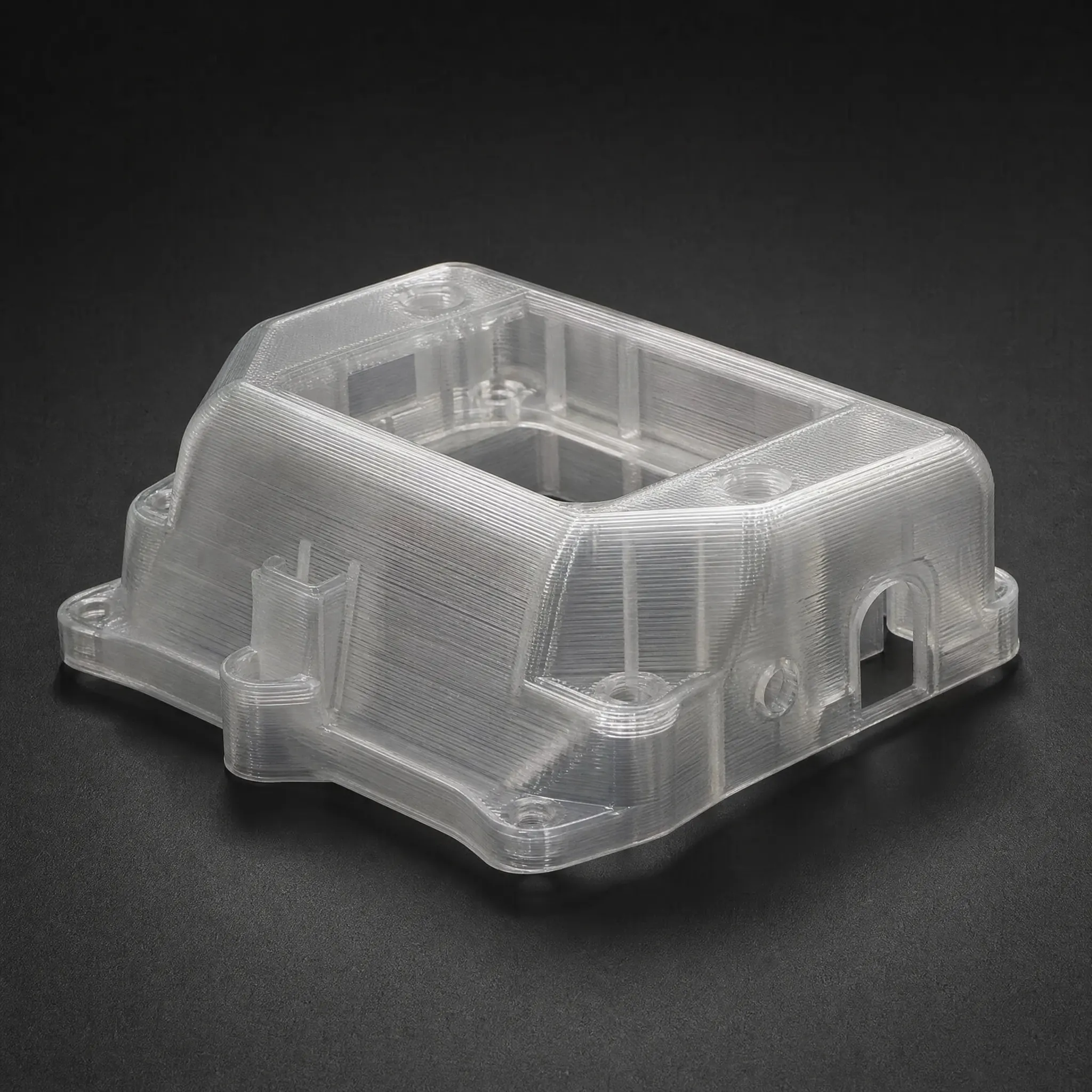
Offers cost-effective 3D printing for rapid prototyping, functional testing, and customized plastic components.
Learn More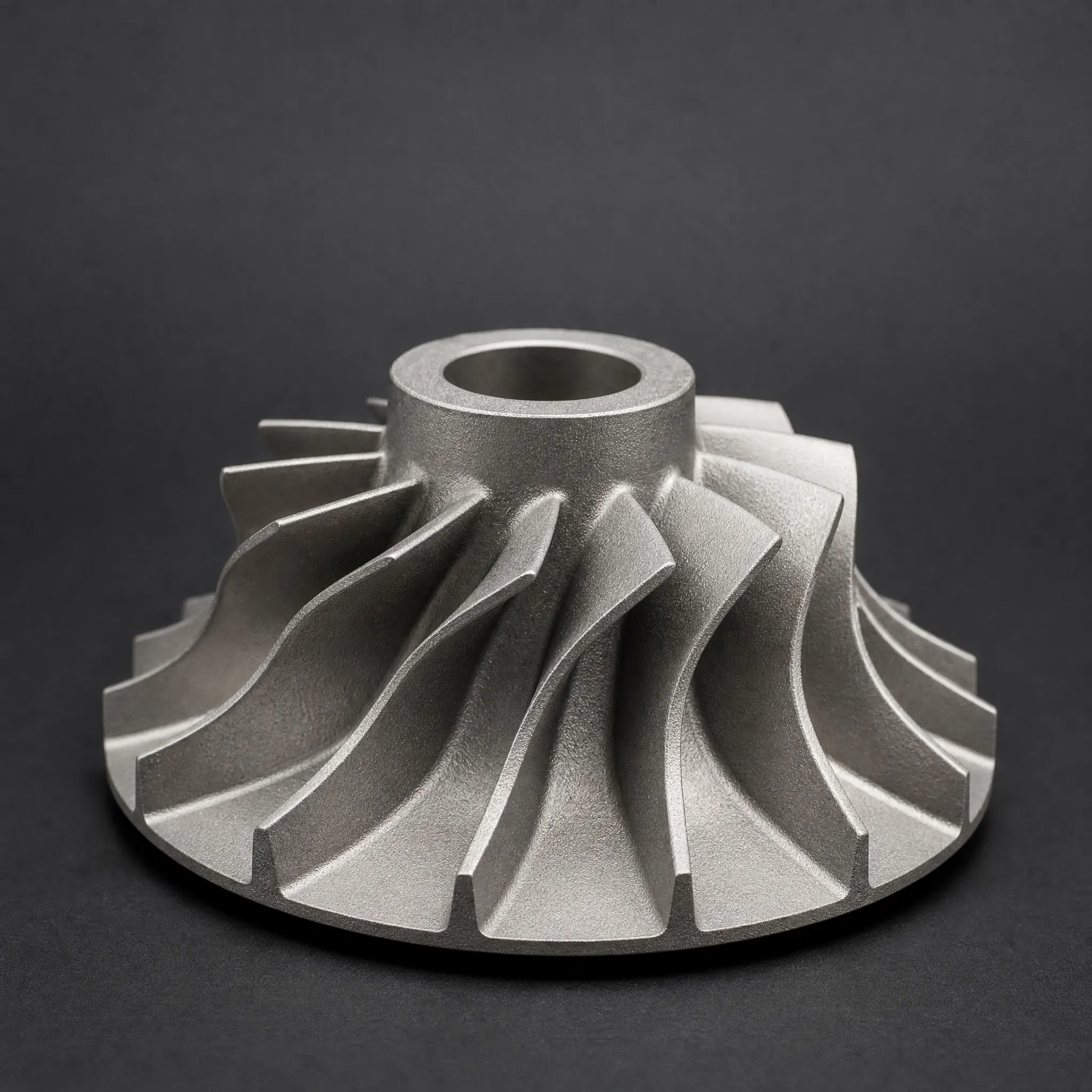
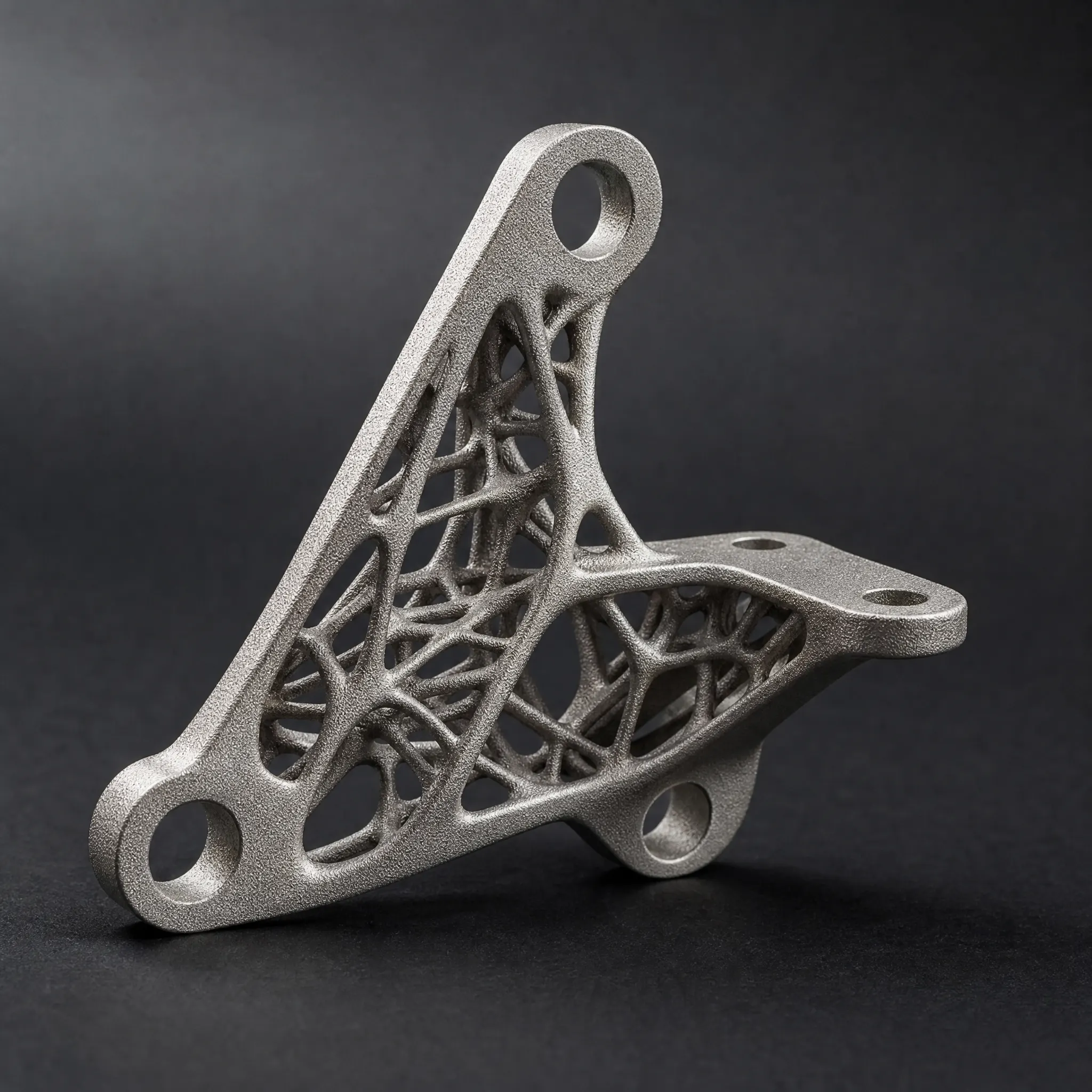
Manufactures complex metal components with excellent design flexibility for demanding industrial applications.
Learn More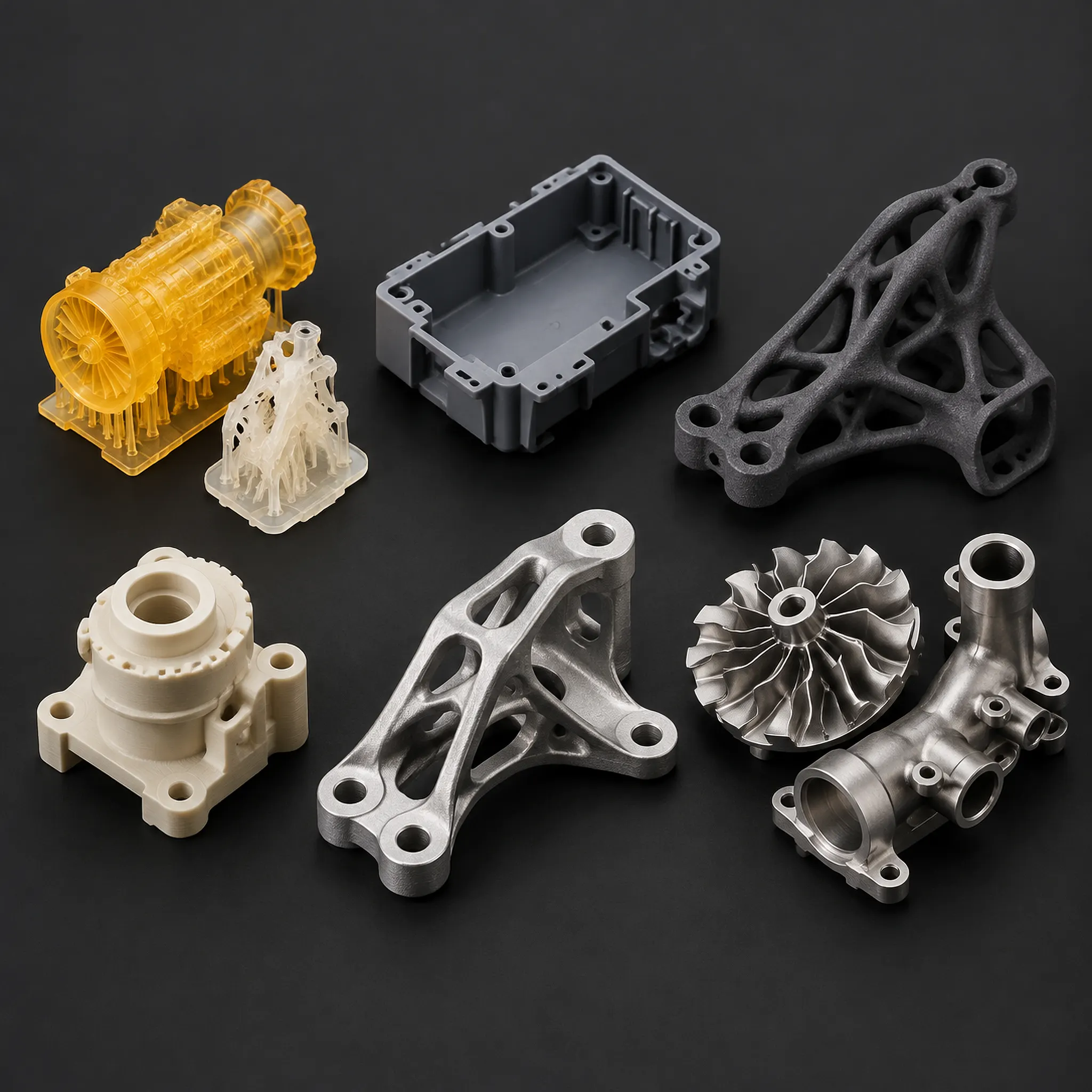 Materials
The right 3D printing material depends on the required appearance, strength, flexibility, heat performance, and intended use. BoValley can review your design and help identify a suitable process and material combination.
Access SLA, SLS, MJF, FDM, and metal 3D printing to match diverse project requirements.
Choose from plastics, engineering polymers, and metals to meet specific application needs.
Accelerate product development with fast iterations, design validation, and functional testing.
Get support for complex geometries, custom parts, finishing, and low-volume manufacturing.
AdvantagesAdvantages
3D printing can simplify early product development by enabling complex shapes and rapid design iterations without conventional part-specific tooling. The most suitable process depends on how the part will be evaluated or used.
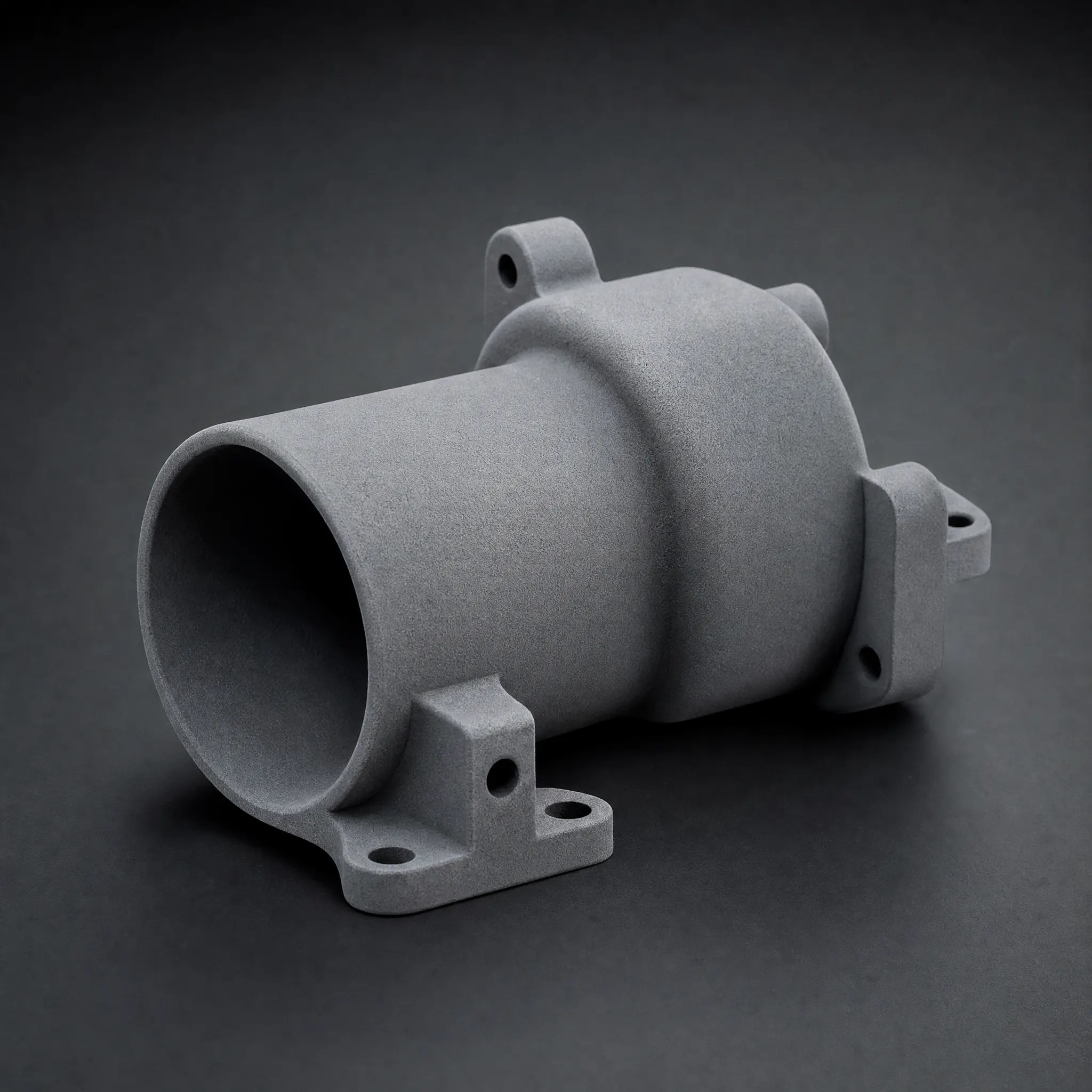
SLA can be suitable for detailed models and prototypes with demanding appearance requirements.
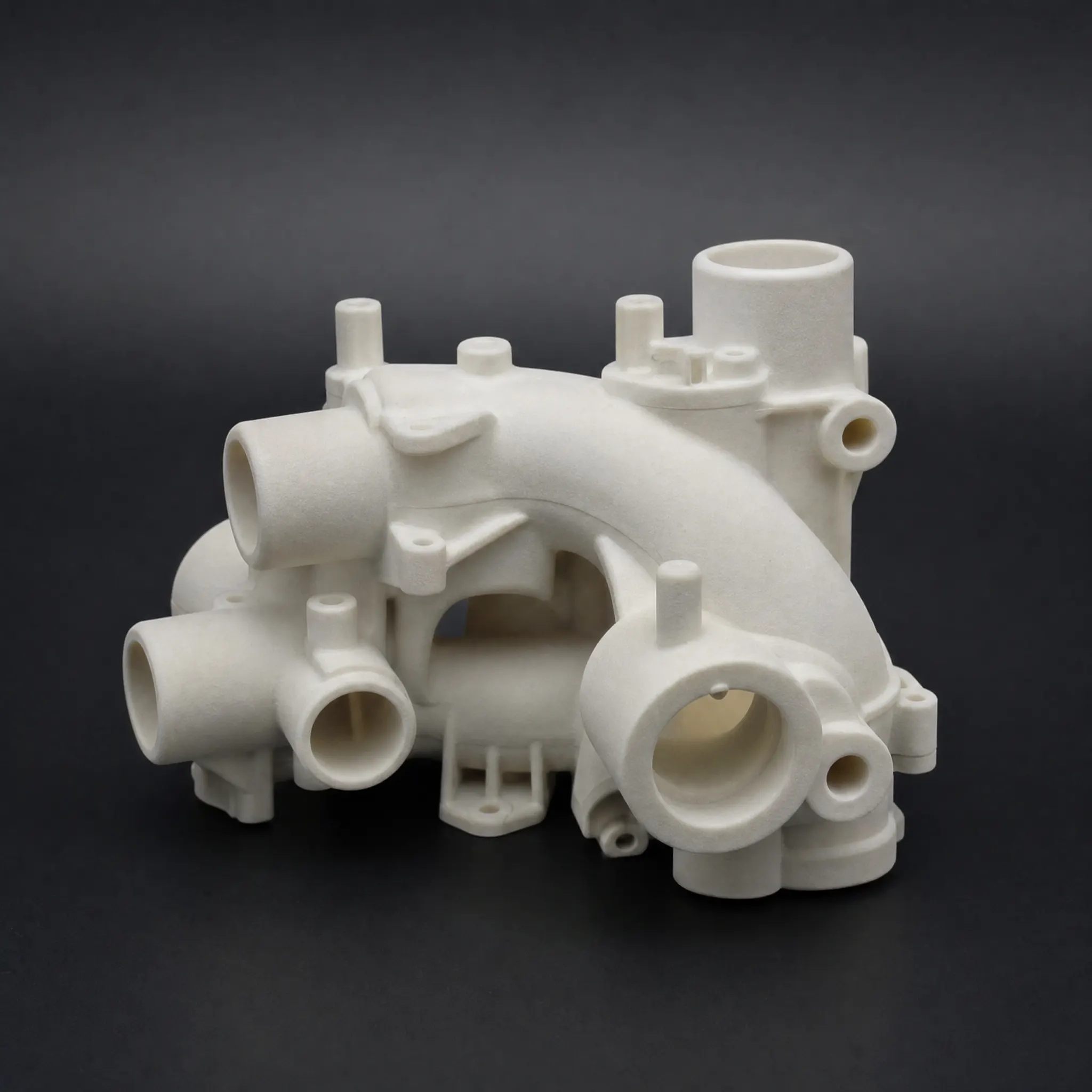
Explore internal channels, lattices, and shapes that may be difficult to produce conventionally.
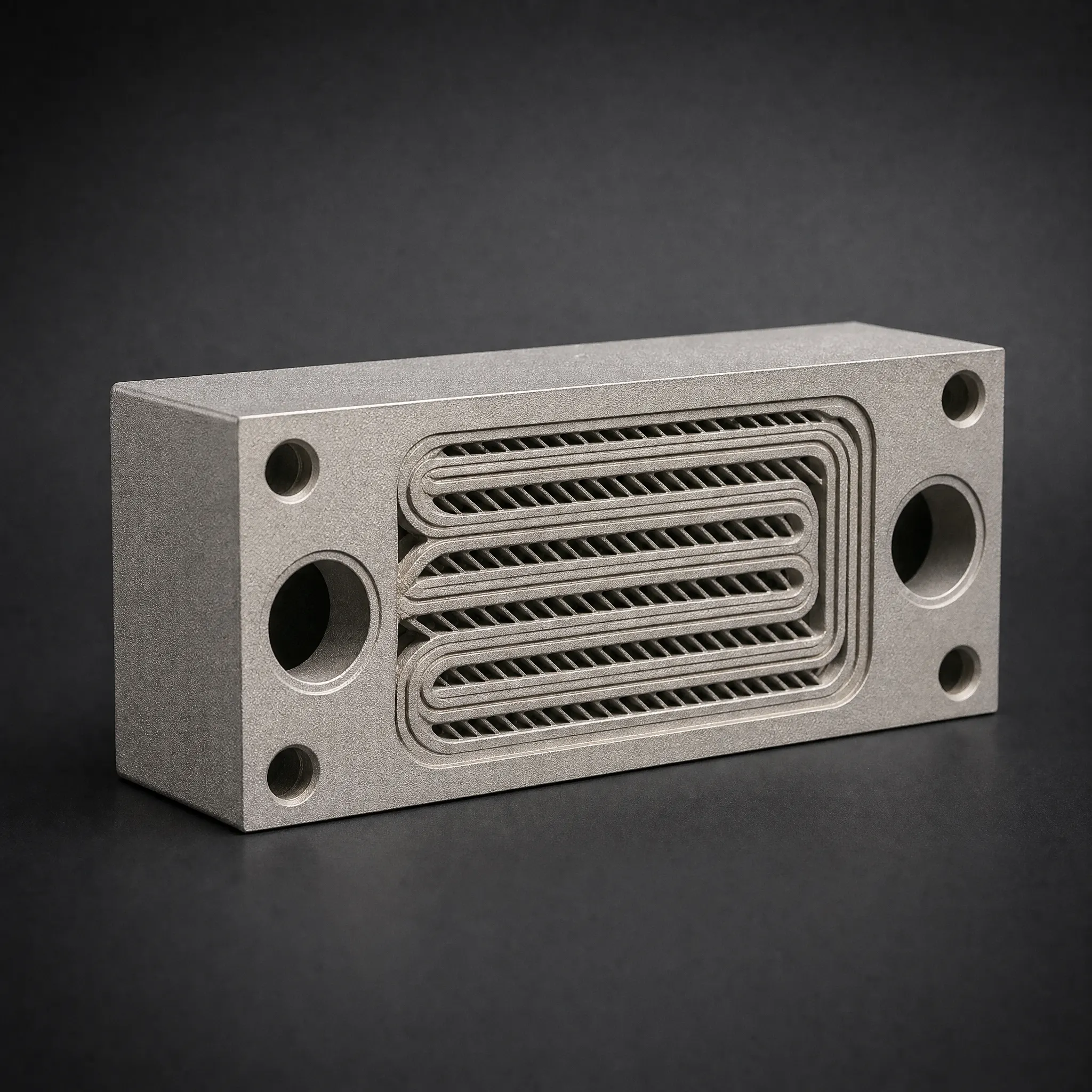
Produce revised models to help assess fit, form, and design changes.
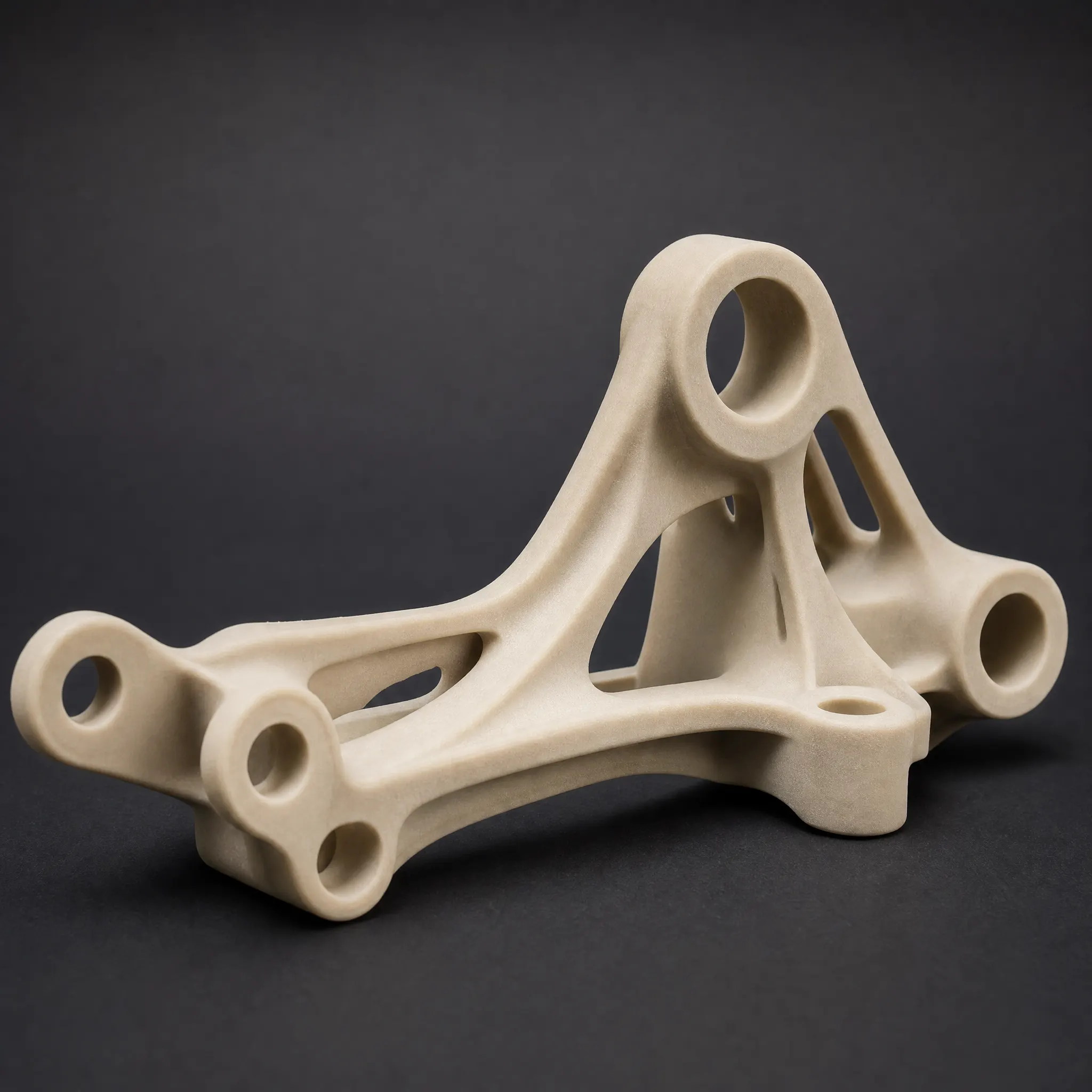
Select a suitable material and process for specified testing requirements.
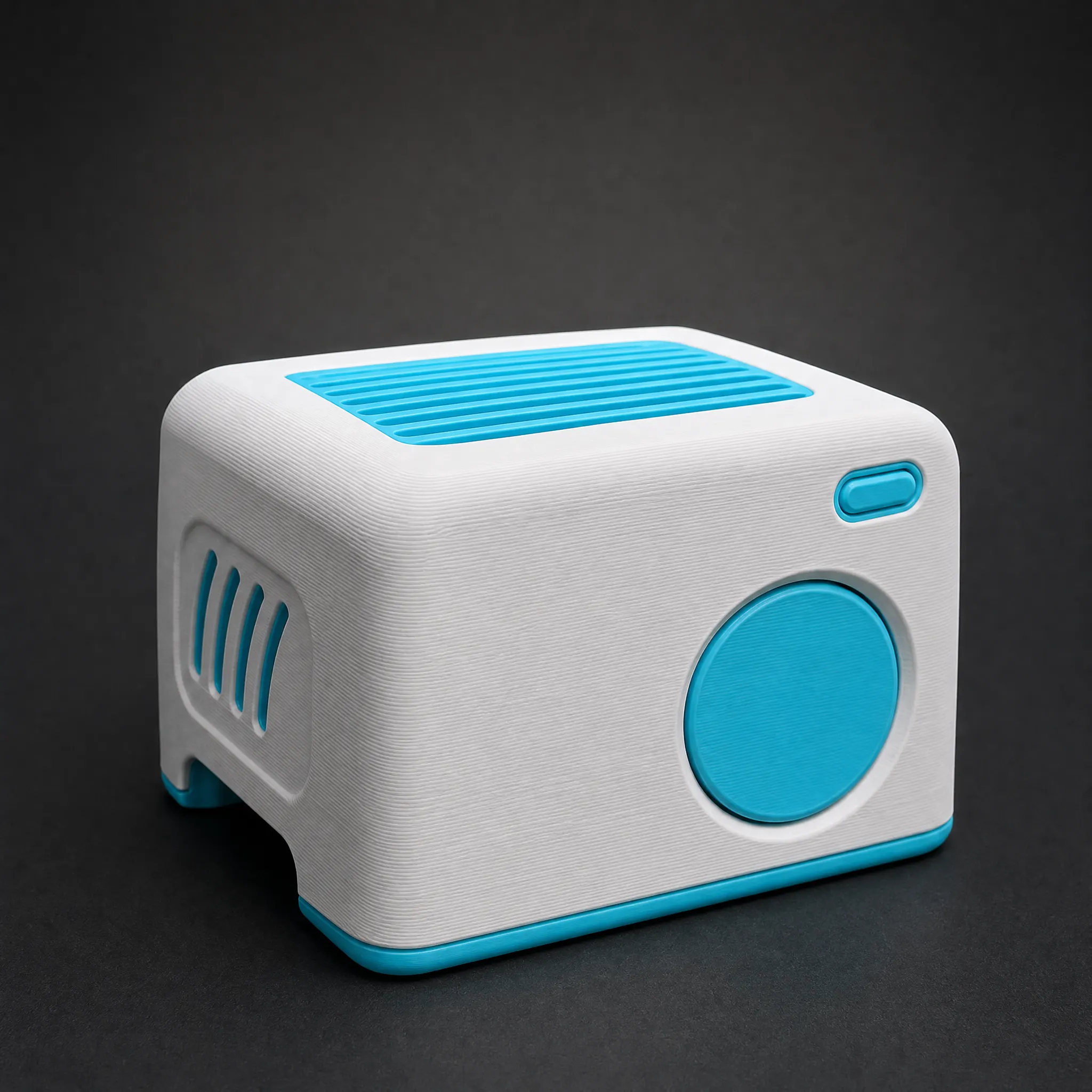
Review compatible finishing methods to improve appearance or meet application requirements.
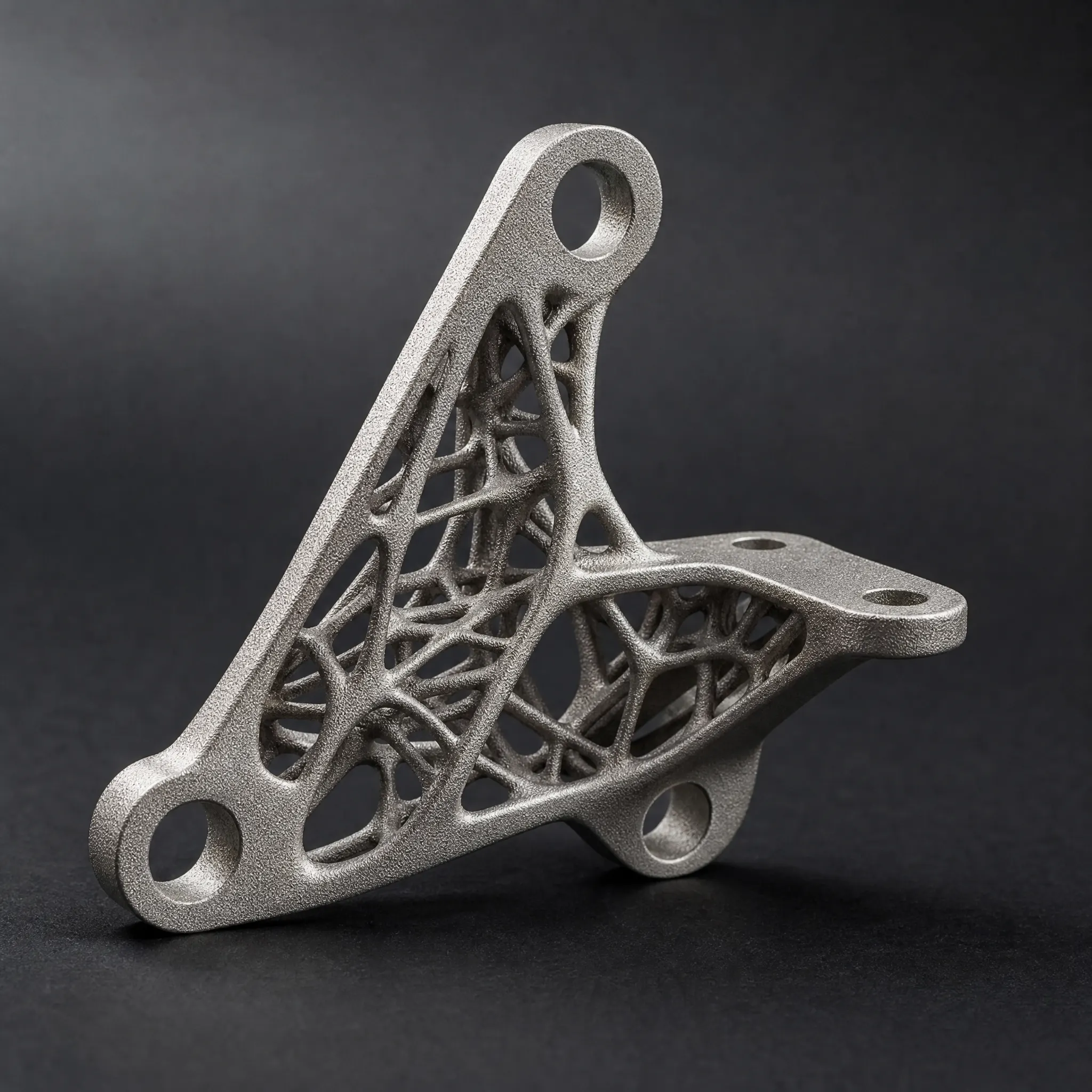
Get support for complex geometries, custom parts, finishing, and low-volume manufacturing.
ApplicationsApplications
3D printing supports a wide range of product development activities, from early concept models to functional prototypes and selected end-use parts. Process and material selection should reflect the required strength, appearance, environment, and validation needs.
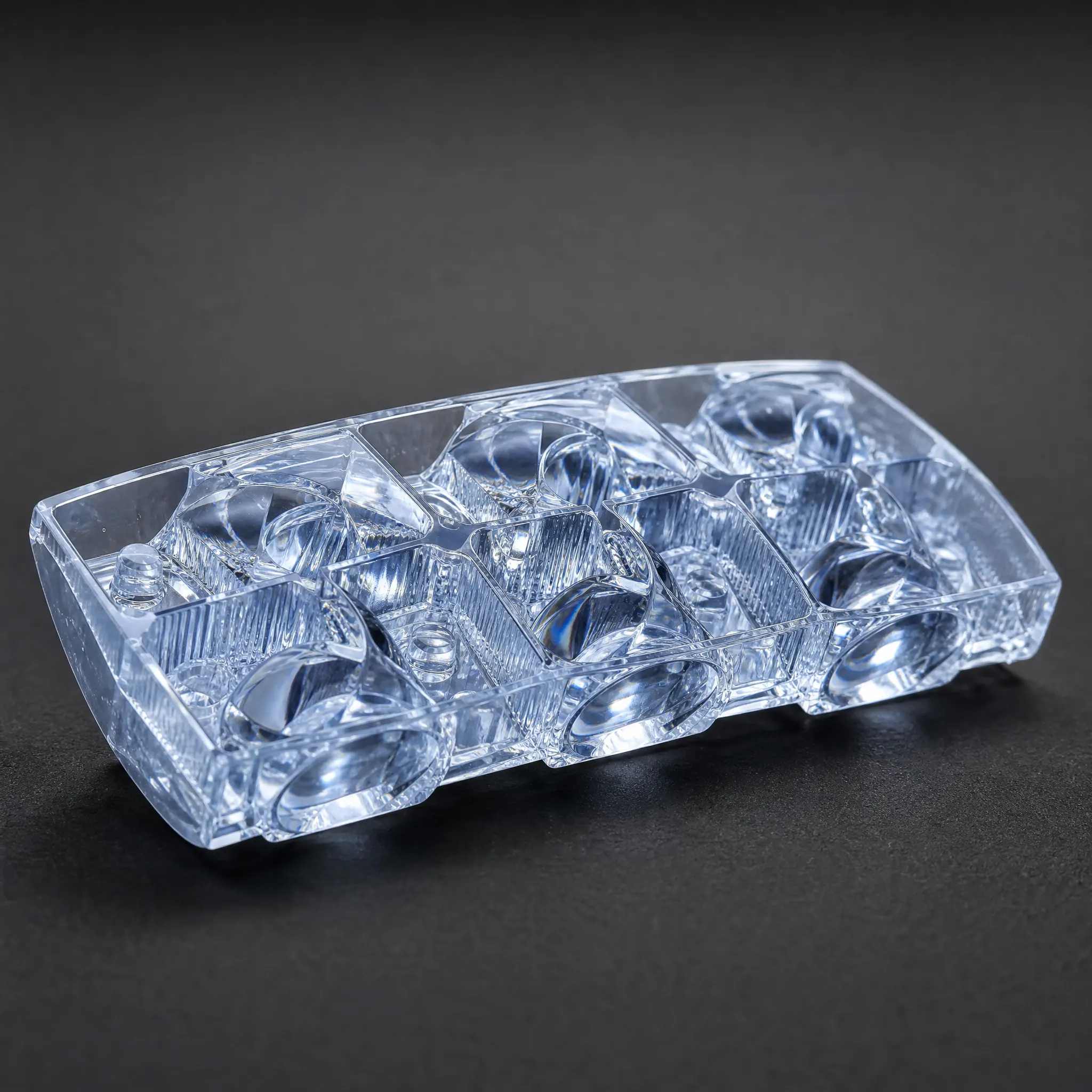
Typical Material: SLA Photopolymer Resin. Used to evaluate product appearance, overall shape, detailed features, and early assembly concepts before committing to production tooling. SLA is often suitable for models that require fine details and a relatively smooth printed surface. Manufacturing Focus: Surface quality, feature resolution, orientation, and post-processing requirements.
Learn MoreTypical Material: PA12 Nylon (SLS). Used for complex brackets, housings, ducts, and functional prototypes with geometries that may be difficult to manufacture using conventional methods. Powder-bed printing can support intricate shapes without dedicated hard tooling. Manufacturing Focus: Wall thickness, powder removal, feature orientation, and functional load requirements.
Learn MoreTypical Material: PA12 / PA11, depending on process availability. Used for functional prototypes, small-batch housings, clips, brackets, and customized components. MJF can be considered when multiple parts or repeated geometries need to be produced without conventional injection-molding tooling. Manufacturing Focus: Feature consistency, part orientation, surface finish, and batch requirements.
Learn MoreDesign guides and cost-saving tips for sheet metal fabrication parts.
Produce high-detail prototypes with fine features and smooth surface finishes for product design and visual evaluation.
Read GuideCreate functional plastic parts, complex geometries, and low-volume production components for testing and product development.
Read GuideExplore metal 3D printing for complex components using materials such as aluminum, stainless steel, titanium, and tool steel, depending on project requirements.
Read GuideDevelop cost-effective prototypes and custom parts for design iteration, assembly testing, and functional evaluation.
Read GuideUpload your CAD file today — get a detailed quote with DFM feedback within 24 hours.