
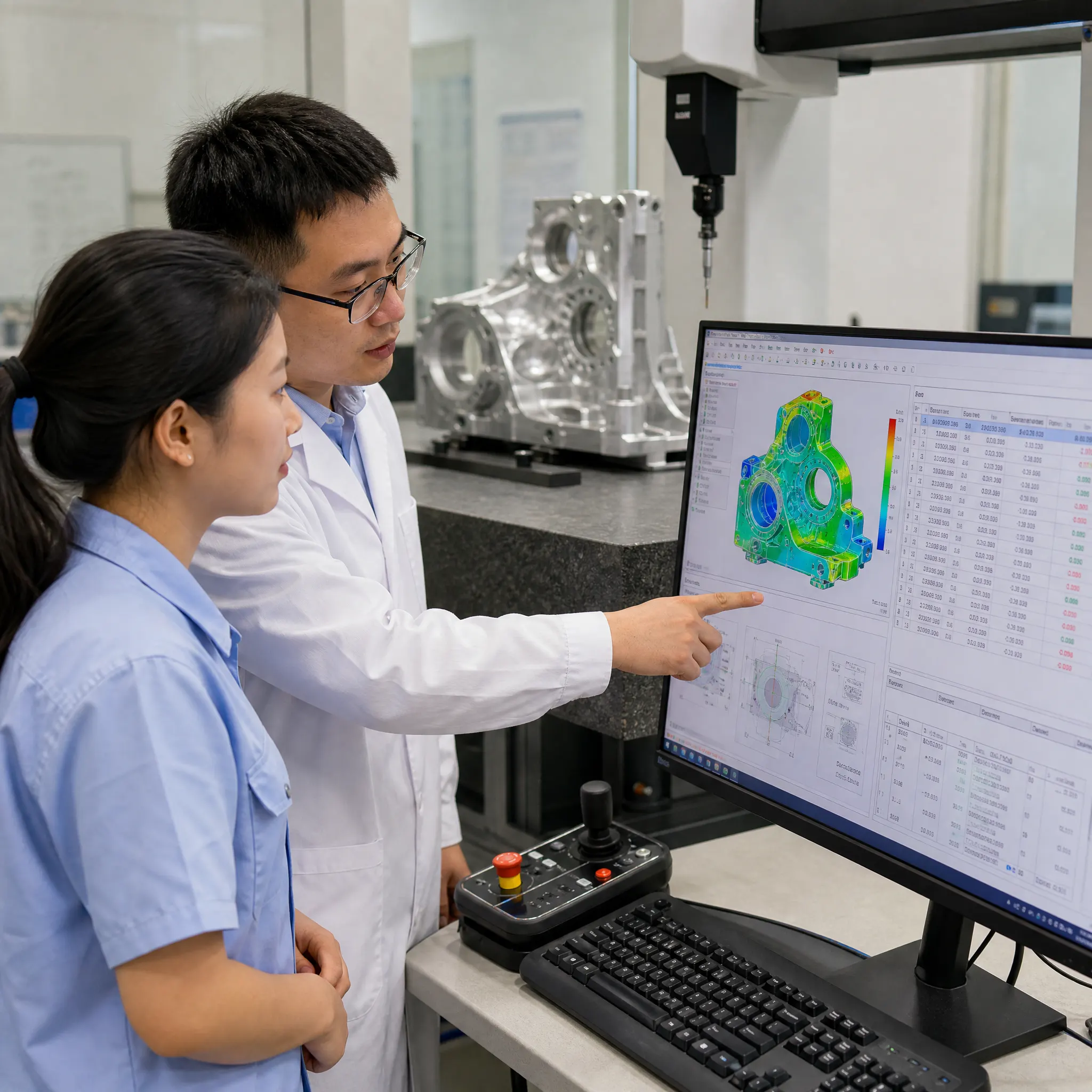
Production CNC Machining Design Review
Explore design guidelines for optimizing machinability, tolerances, materials, and production efficiency.
Request a Design ReviewBoValley supports repeat CNC machining projects for customers who need dependable supply of custom metal and plastic components. Our production planning focuses on drawing control, material consistency, process repeatability, inspection requirements and delivery coordination.
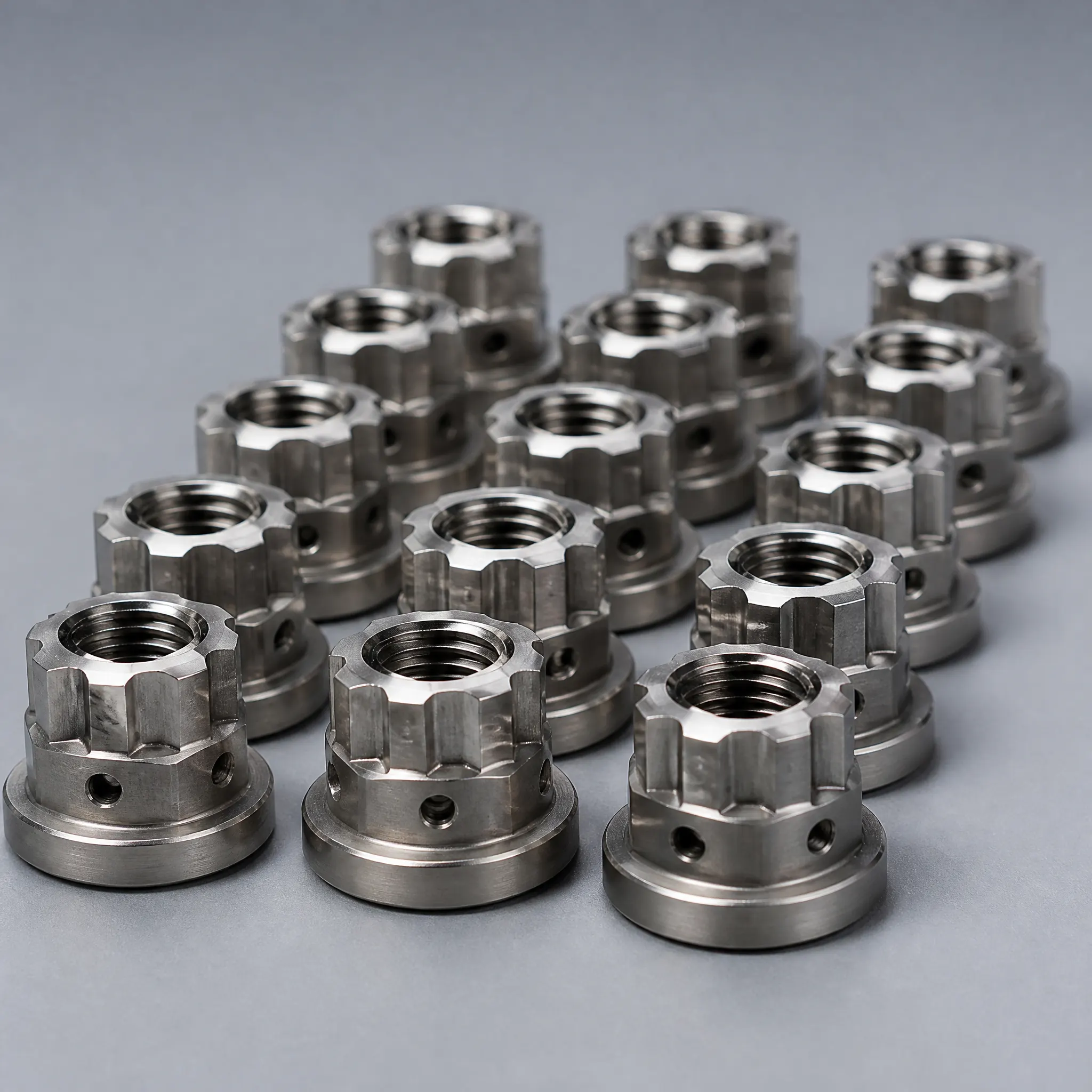
Overview
Production CNC machining applies computer-controlled milling, turning and related operations to manufacture parts in repeat batches or recurring releases.
Compared with a one-off prototype, production work places greater emphasis on process planning, workholding, tool life, material traceability where required, inspection planning and consistency between batches. BoValley reviews the expected quantity, release schedule, critical dimensions, finishing requirements and packaging needs to help establish a practical plan for recurring supply.
Explore design guidelines for optimizing machinability, tolerances, materials, and production efficiency.
Request a Design ReviewAvoid publishing a guaranteed batch size, production capacity, First Article Inspection (FAI) service or material traceability promise until BoValley has verified the applicable equipment, processes and documentation scope.
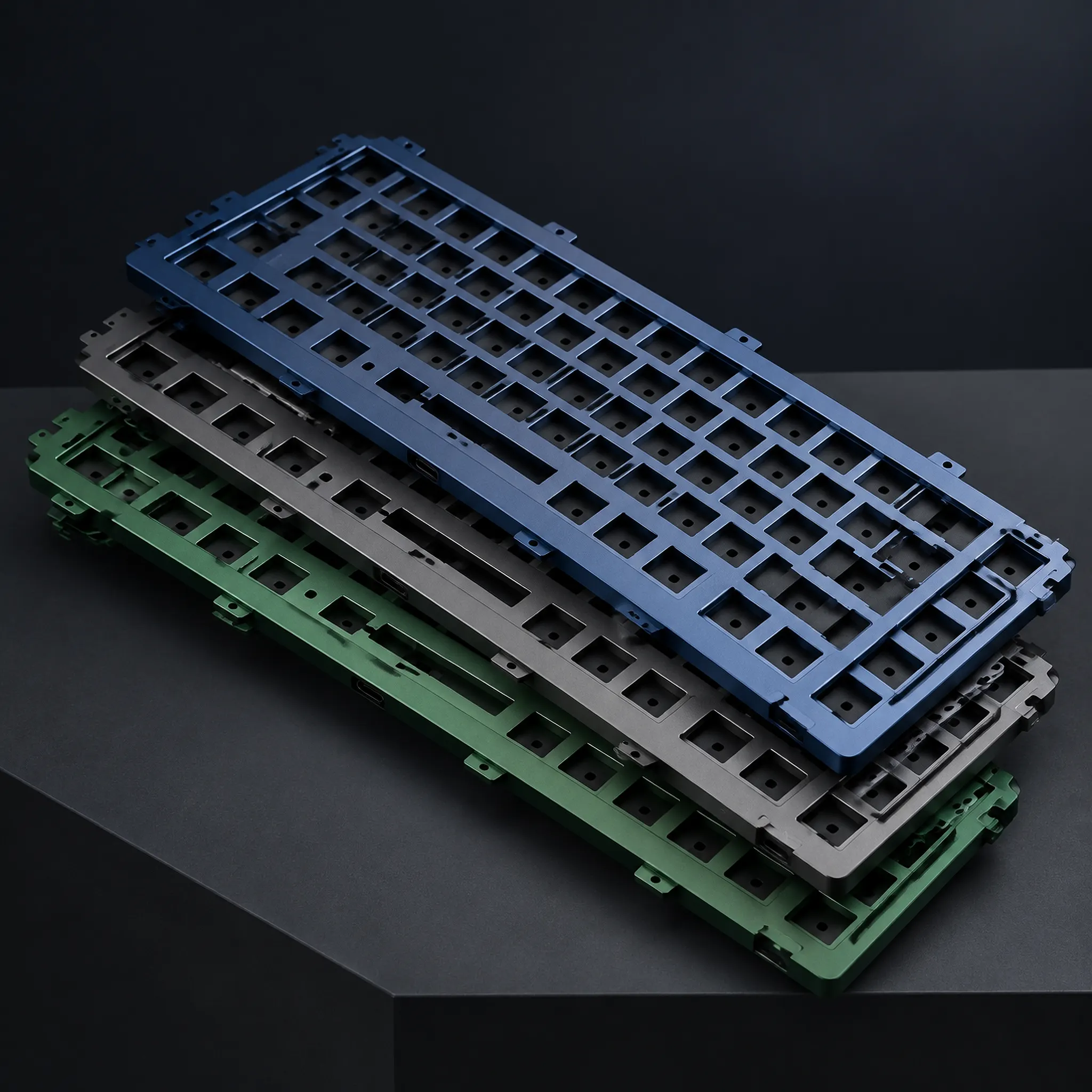 Materials
We machine a range of metals and engineering plastics. Material availability, machinability, and production suitability are evaluated against your part design and application.
Production readiness depends on the actual part, order forecast, process validation, and available manufacturing resources. No universal production volume or tolerance should be assumed for every project.
| Parameter | Project Considerations |
|---|---|
| Order quantity | Batch size, forecast demand, and repeat-order frequency |
| Part specifications | Approved drawings, revisions, and technical requirements |
| Material | Specified grade, availability, and required documentation |
| Dimensional control | Critical dimensions, tolerances, and datum requirements |
| Process planning | Machining sequence, workholding, and repeatability considerations |
| Quality control | Inspection plan, sampling requirements, and agreed reports |
| Surface finishing | Required finishing processes and acceptance criteria |
| Delivery | Lead time, shipment schedule, and packaging requirements |
The Process
Review drawings and specifications, plan machining operations, manufacture parts with in-process checks, and complete final inspection and delivery to support consistent repeat production.
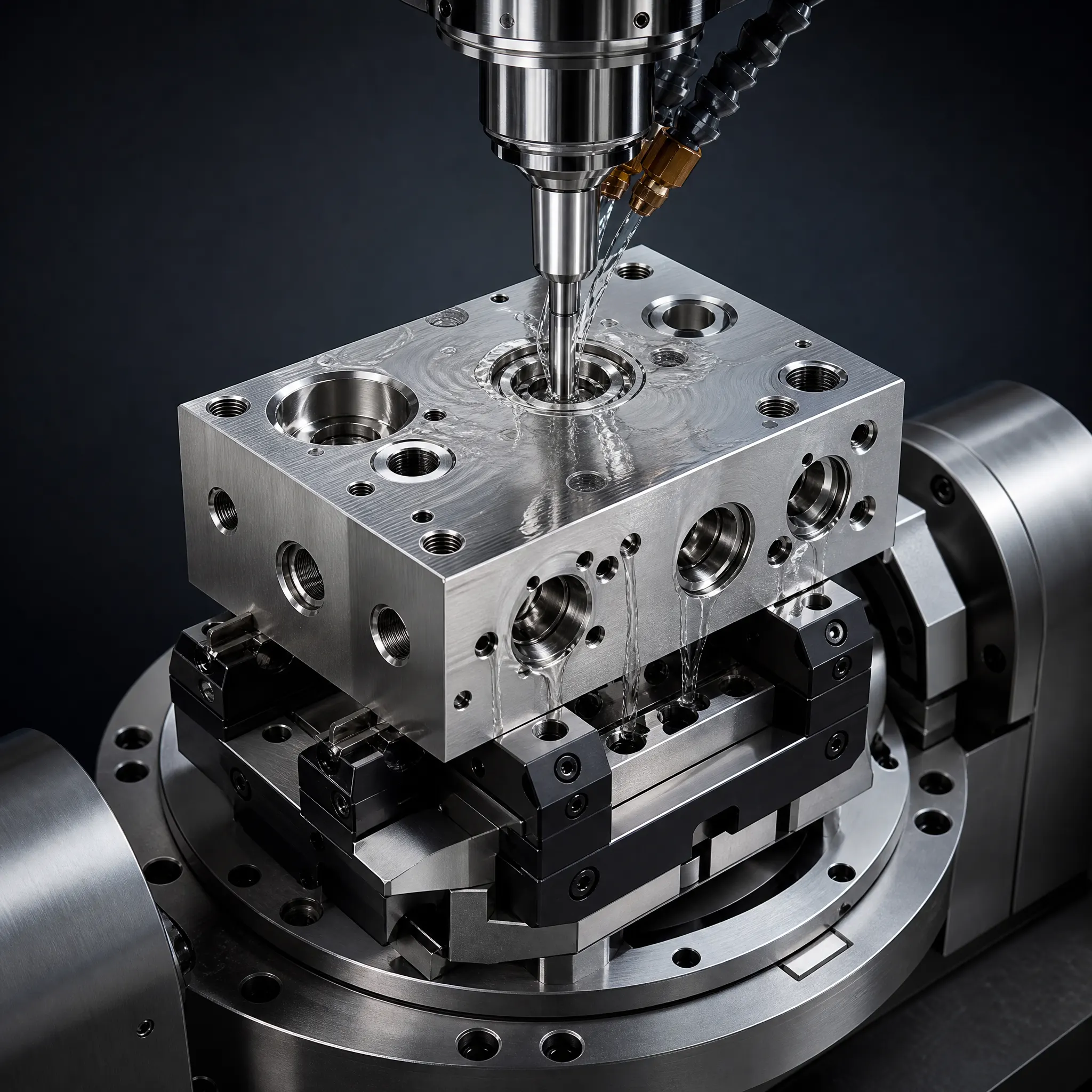 Quality
Repeat CNC orders benefit from a stable drawing, approved samples and a consistent inspection plan, especially for mating or safety-critical components.
Repeat orders for suitable mechanical parts and brackets.
Machine components, mounts, and equipment parts.
Housings, connectors, and supporting components.
Custom mechanical parts and selected product components.
Structural parts and precision interfaces.
Shafts, sleeves, spacers and functional parts supplied to an agreed drawing and specification.
| Types of Parts | Function |
|---|---|
| Repeat-order brackets | Keep mounting interfaces aligned to the approved drawing. |
| Equipment housings | Maintain assembly fits across scheduled orders. |
| Machined inserts | Preserve critical locating and mating dimensions between batches. |
Share your CAD files and project requirements. An engineer will review the details and follow up with pricing and any manufacturability questions.