
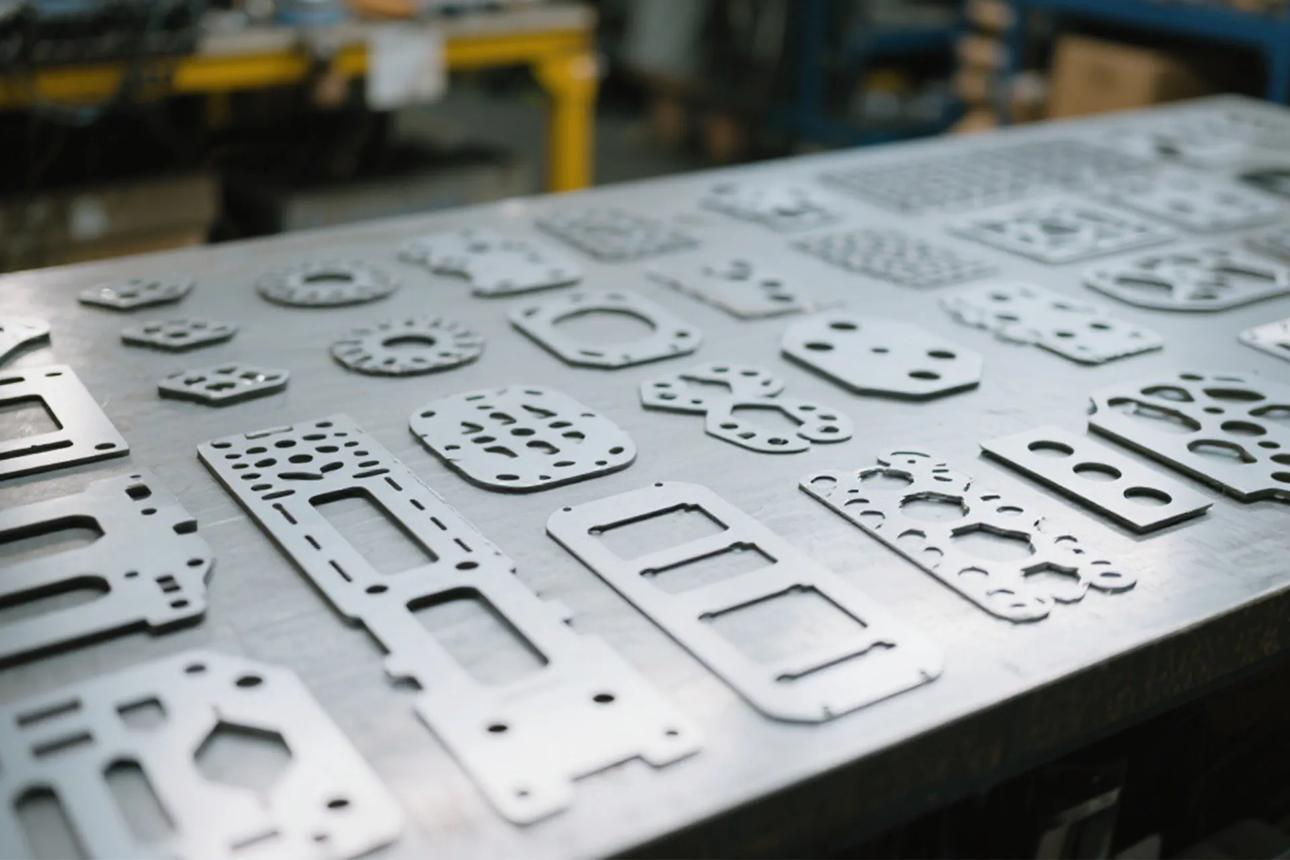
Laser Cutting Design Guide
We review your material, sheet thickness, geometry, edge requirements and production quantity to help determine a suitable cutting approach for your project.
Get the Guide With Your QuoteBoValley provides custom laser cutting services for sheet metal components with defined profiles, holes, slots and intricate contours. Laser cutting is well suited to flat-pattern parts used in enclosures, brackets, panels and fabricated assemblies.
Overview
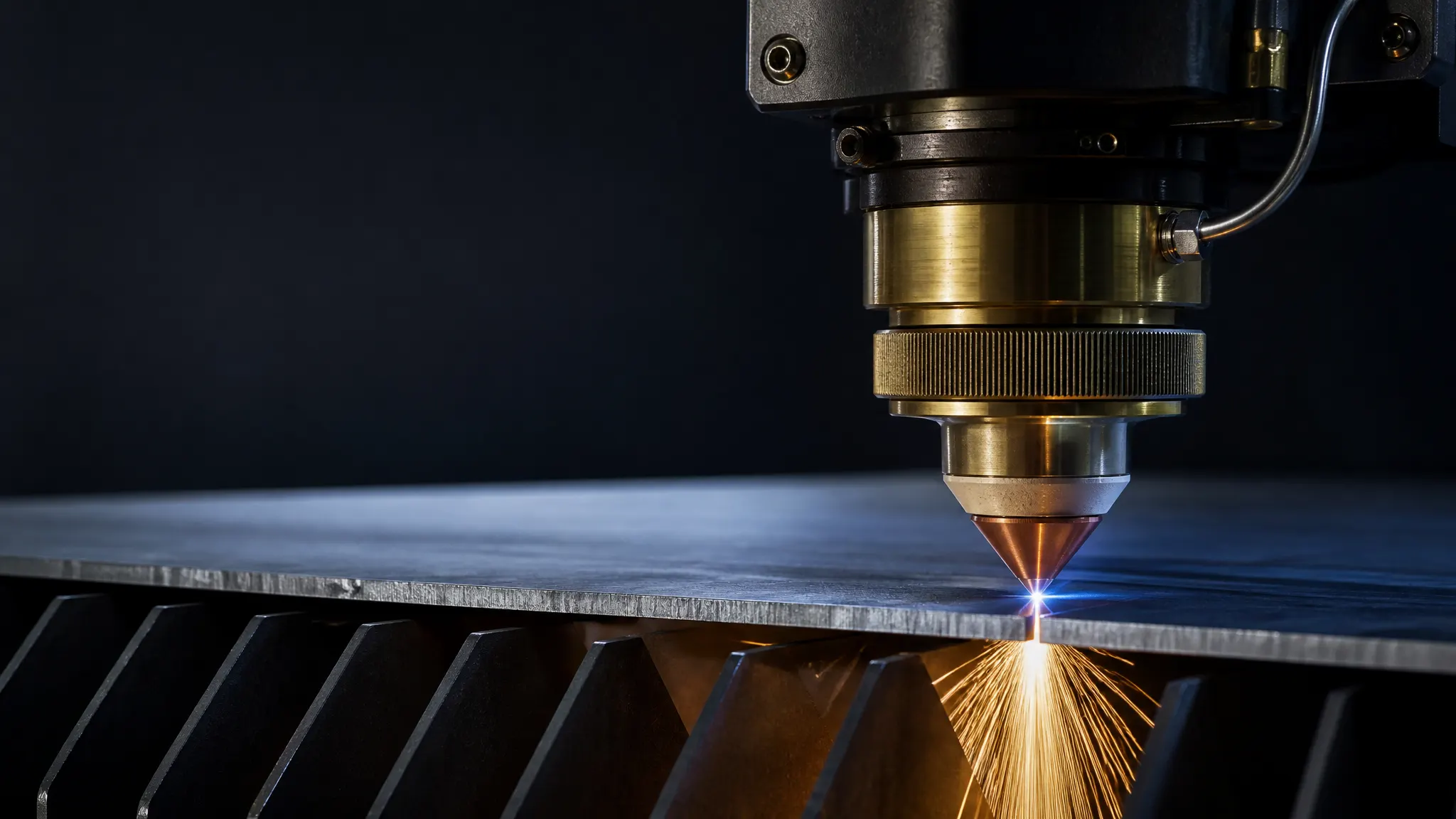
Laser cutting uses a focused laser beam to cut material along a programmed path. It is suitable for producing external profiles, internal cutouts, mounting holes and detailed two-dimensional patterns.
It can reduce the need for dedicated profile-cutting tools and is useful for prototypes, design iterations and suitable production batches.
Cut quality depends on material grade, thickness, laser equipment, feature geometry and specified edge conditions. Parts requiring tight tolerances or additional forming should be reviewed as a complete design.
We review your material, sheet thickness, geometry, edge requirements and production quantity to help determine a suitable cutting approach for your project.
Get the Guide With Your QuoteReview the sheet grade and thickness, smallest openings, edge requirements and spacing between features. Share the flat pattern and note any downstream forming.
 Materials
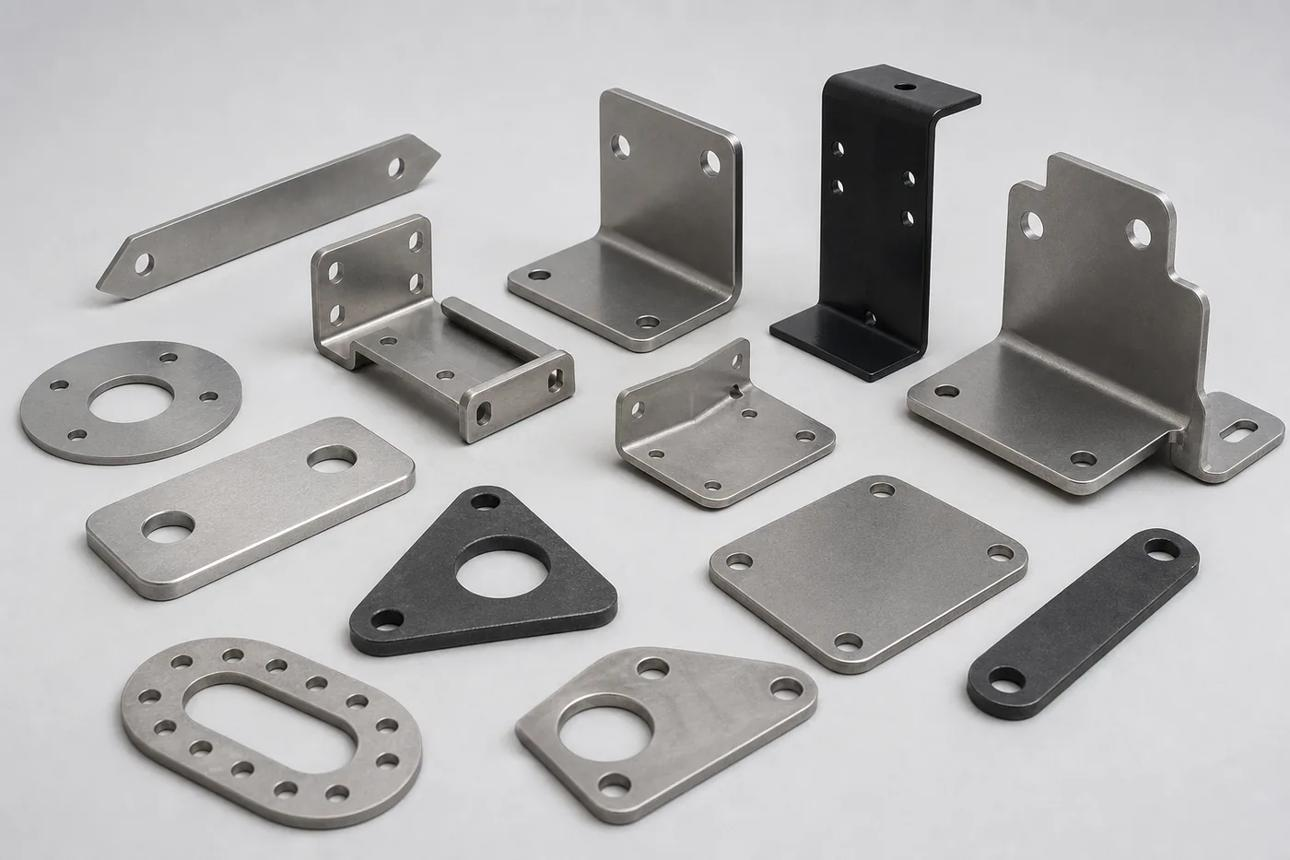
Material selection depends on part function, thickness, corrosion requirements, and the downstream manufacturing process.
Choose materials and finishes based on your part's mechanical properties, operating environment, appearance, and application requirements.
| Finish | Description |
|---|---|
| Deburred | Remove sharp edges to meet handling and assembly requirements. |
| Brushed or grained | Specify the visible face and grain direction for suitable materials. |
| Protective coating | Select a coating for the substrate and environment. Specify color, texture, and masking where needed. |
The Process
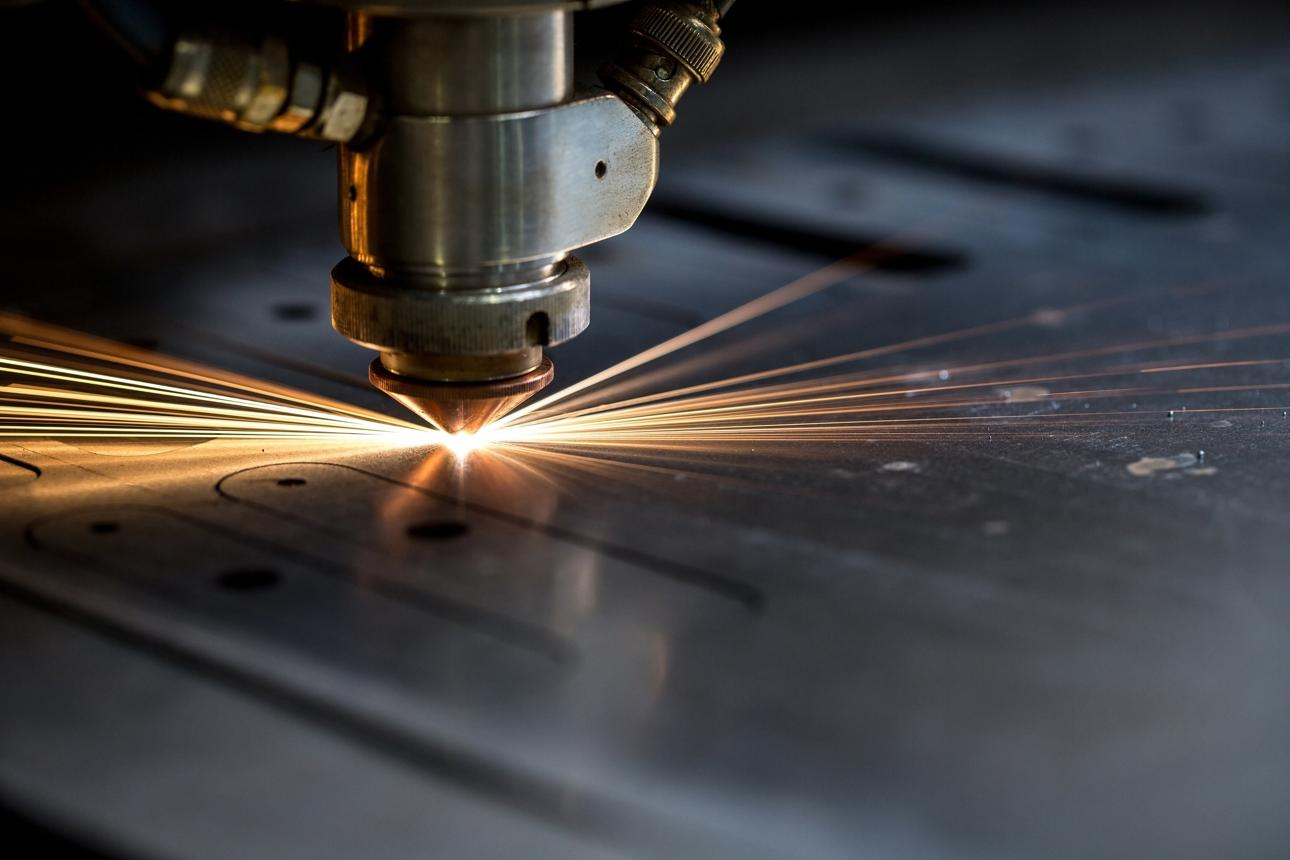
Use the flat pattern to program the cut path. A focused laser and assist gas cut the sheet, following the outside profile and internal features. Inspect critical holes and edges, then deburr or prepare the parts for forming as specified.
 Quality
The examples below show where this process may fit. Material, geometry, and the intended use determine the right approach for each part.
Mounting features, slots, and custom profiles.
Cutouts and openings for functional components.
Custom outlines for mechanical and industrial parts.
Design validation and early-stage fabrication.
Cut control openings, vent slots, and mounting holes from flat patterns.
Produce selected panel blanks, mounting plates, and brackets for development.
| Types of Parts | Function |
|---|---|
| Flat mounting plates | Cut holes and profiles for installation hardware. |
| Enclosure blanks | Prepare flat patterns for forming and joining. |
| Vent and control panels | Create slots and openings for airflow or component access. |
Upload your CAD file today — get a detailed quote with DFM feedback within 24 hours.