
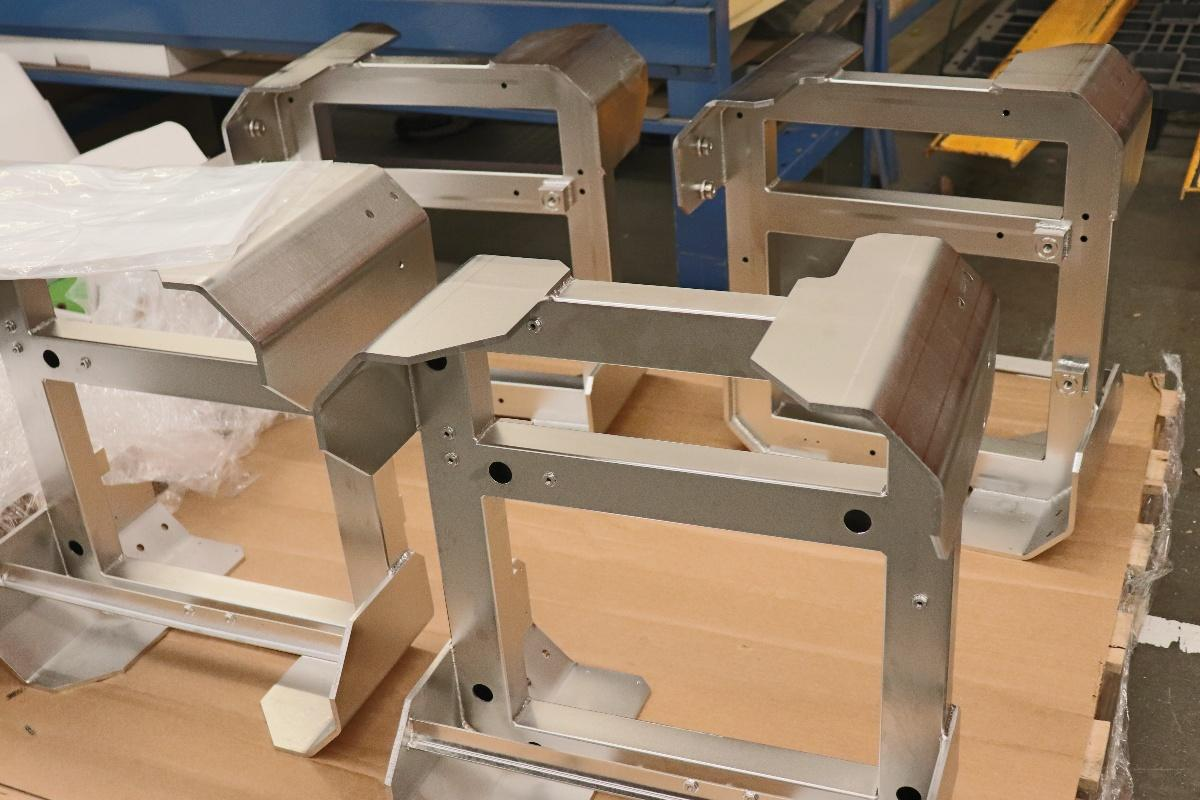
Fabricated Assemblies Design Guide
We review part drawings, assembly interfaces, joining requirements, finish specifications and packaging needs to help coordinate the manufacturing process.
Get the Guide With Your QuoteBoValley supports custom sheet metal assemblies that combine cut, formed and joined components into functional structures. Depending on project requirements, an assembly may include brackets, panels, frames, enclosures, hardware and other mechanical elements.
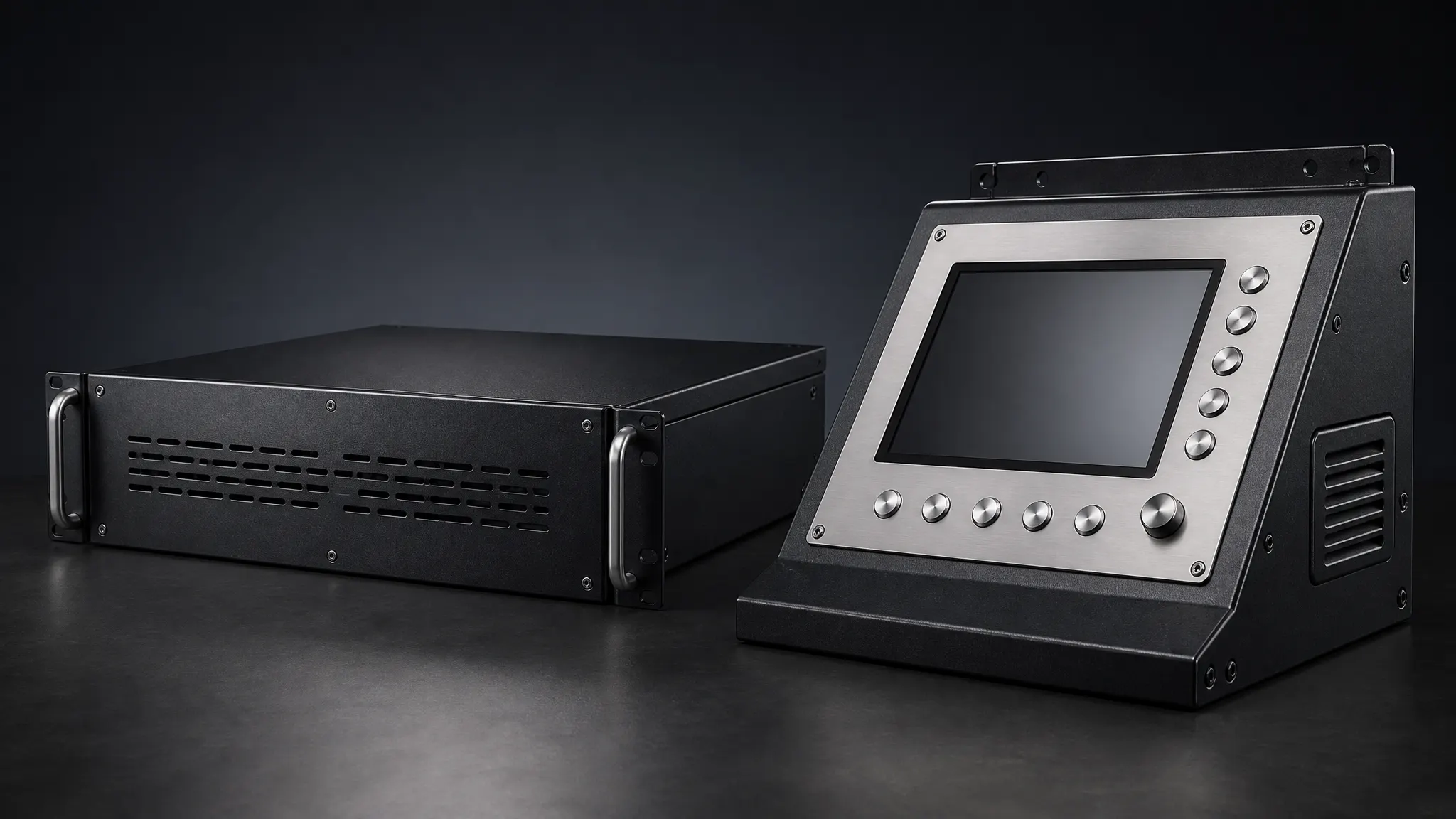
Overview
Fabricated assemblies combine sheet metal components through suitable methods such as welding, mechanical fastening, riveting and hardware installation.
Depending on the design, the manufacturing sequence may include cutting, deburring, bending, joining, surface finishing and final assembly.
BoValley reviews fit-up dimensions, joining locations, access for tools, visible surfaces and assembly tolerances to help reduce downstream integration issues.
We review part drawings, assembly interfaces, joining requirements, finish specifications and packaging needs to help coordinate the manufacturing process.
Get the Guide With Your QuoteA successful assembly depends on component fit, hole alignment, joining requirements, and dimensional control. We review these requirements against your drawings and agreed specifications to coordinate the appropriate fabrication and inspection steps.
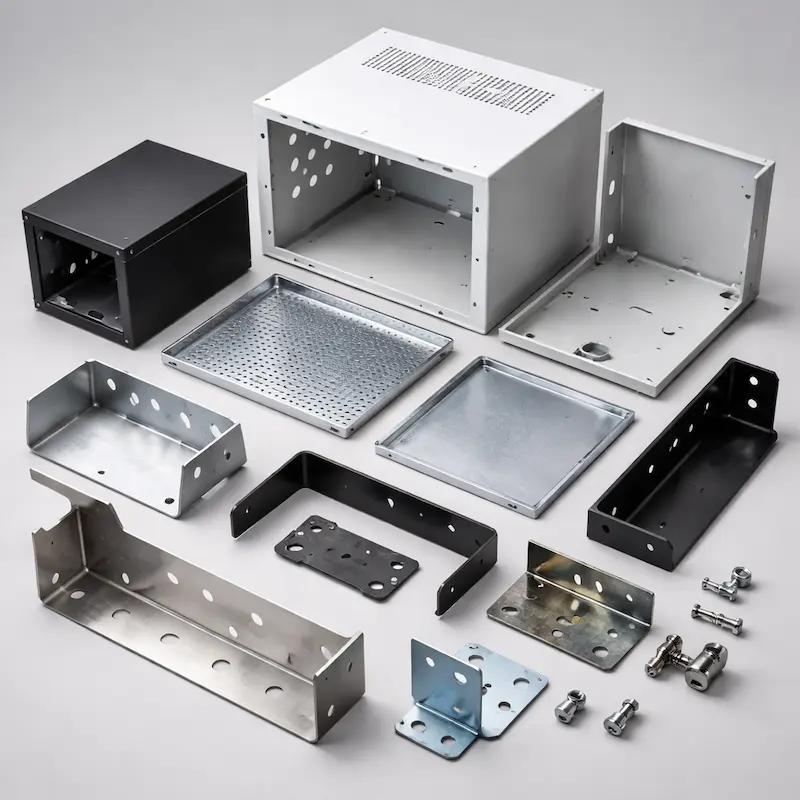 Materials
Select sheet grades and hardware together. Joint geometry, corrosion exposure, and the finishing sequence can influence the choice.
Plan the finish around the order of assembly. Decide which surfaces remain visible, which contact faces need masking and whether hardware goes in before or after coating.
| Finish | Description |
|---|---|
| Joint cleanup | Specify how visible welds, sharp edges and joined seams should be dressed. |
| Coated assembly | Plan coating access and protect threads, locating surfaces and other areas that need masking. |
| Finished components | Specify appearance at joints and decide which parts should be finished before hardware or assembly. |
The Process
Review the assembly model, component drawings, bill of materials and joint details. Cut and form the parts, then check the fit and use a suitable fixture to locate them for joining. Install hardware and apply the agreed finish in the planned sequence. Inspect the assembled interfaces as well as the individual parts.
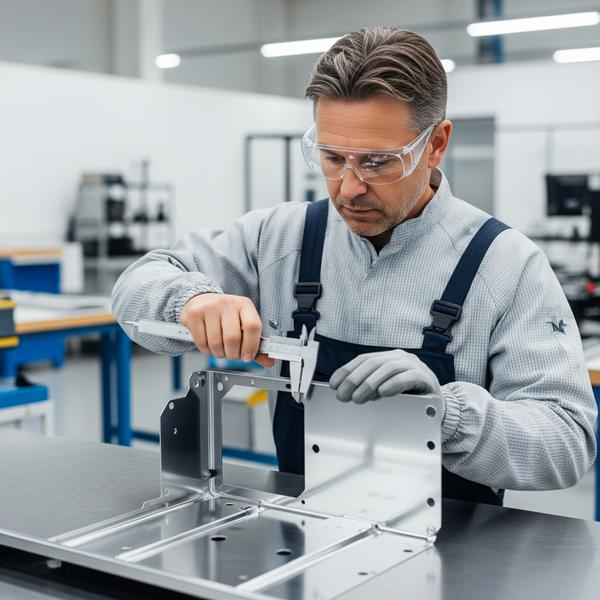 Quality
Use fabricated assemblies for equipment that needs multiple panels, supports or frames to fit together. Specify interfaces and inspection dimensions on the assembly drawing.
Covers, panels, doors, and internal mounting structures.
Fabricated brackets, supports, and frame components.
Multi-part sheet metal cabinets and housings.
Integrated metal components designed for specific products.
Assemble equipment housings, rack panels, and mounting structures.
Combine access panels, instrument supports, and custom mounting hardware.
| Types of Parts | Function |
|---|---|
| Equipment enclosures | Integrate panels, mounting points, and access doors. |
| Machine frames | Join formed or cut components into aligned support structures. |
| Test fixtures | Combine brackets and panels with specified mounting hardware. |
Upload your CAD file today — get a detailed quote with DFM feedback within 24 hours.