Custom Metal Stamping Services

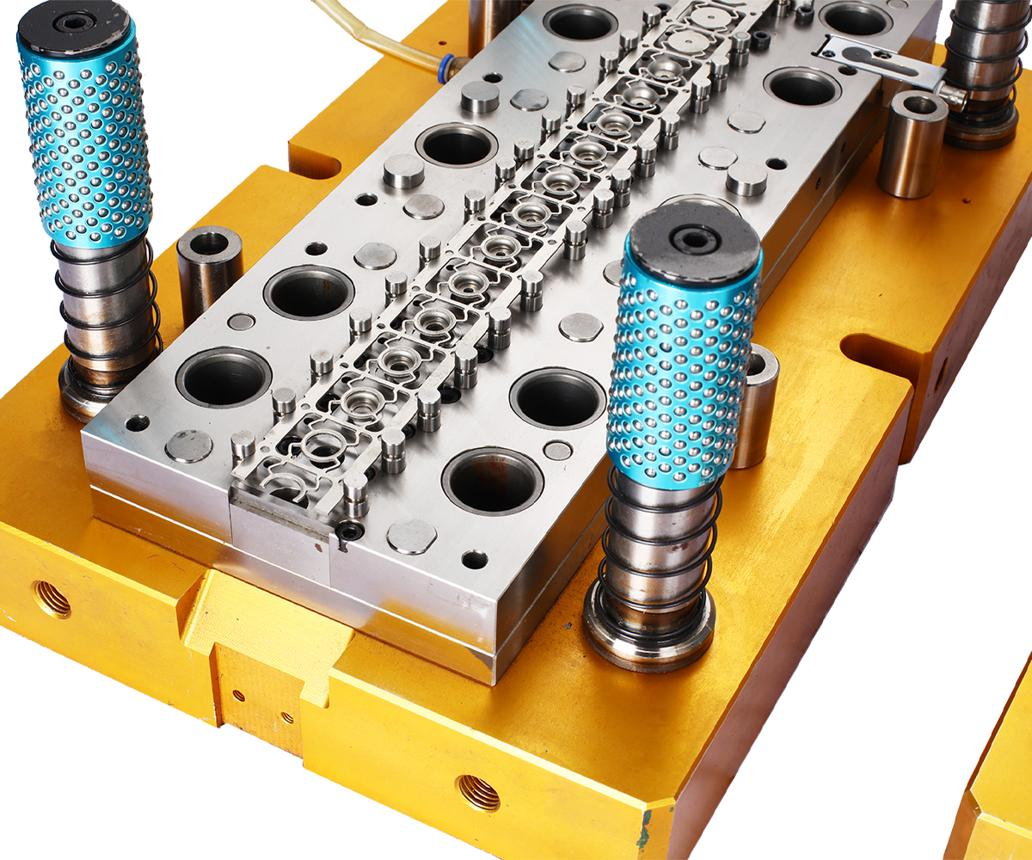
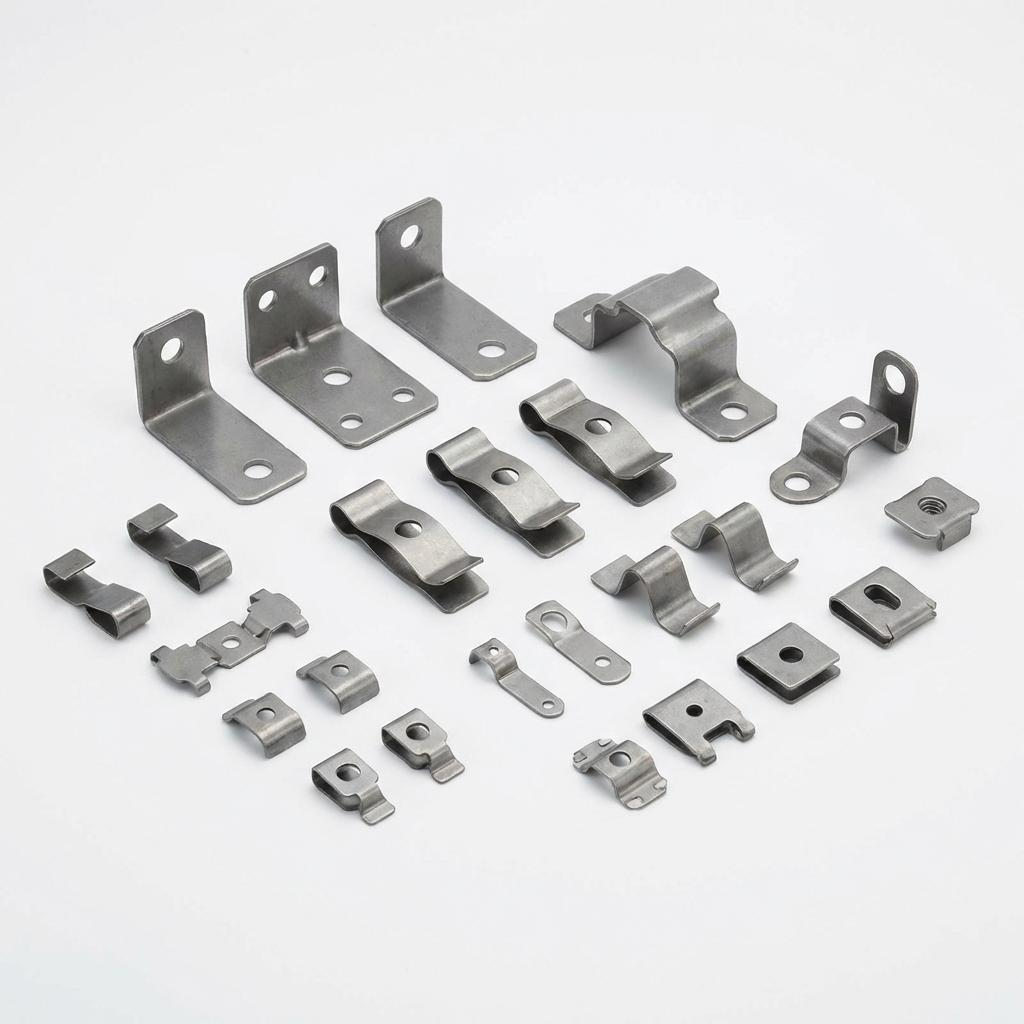
BoValley supports the evaluation of custom metal stamping projects for components such as brackets, clips, retainers, contact parts and formed sheet metal features. Stamping uses matched tooling and a press to cut or form sheet material into defined shapes.

Project Review
  • Flat Pattern Review
  • Sheet Grade and Thickness
  • Finish and Edge Requirements
  • Inspection Planning
Precision machined impeller shown in the molding design
Part Geometry
Clips, brackets & contacts
Tooling Review
Volume & die feasibility
Stock Type
Sheet and strip metal

Overview

What is Metal Stamping?

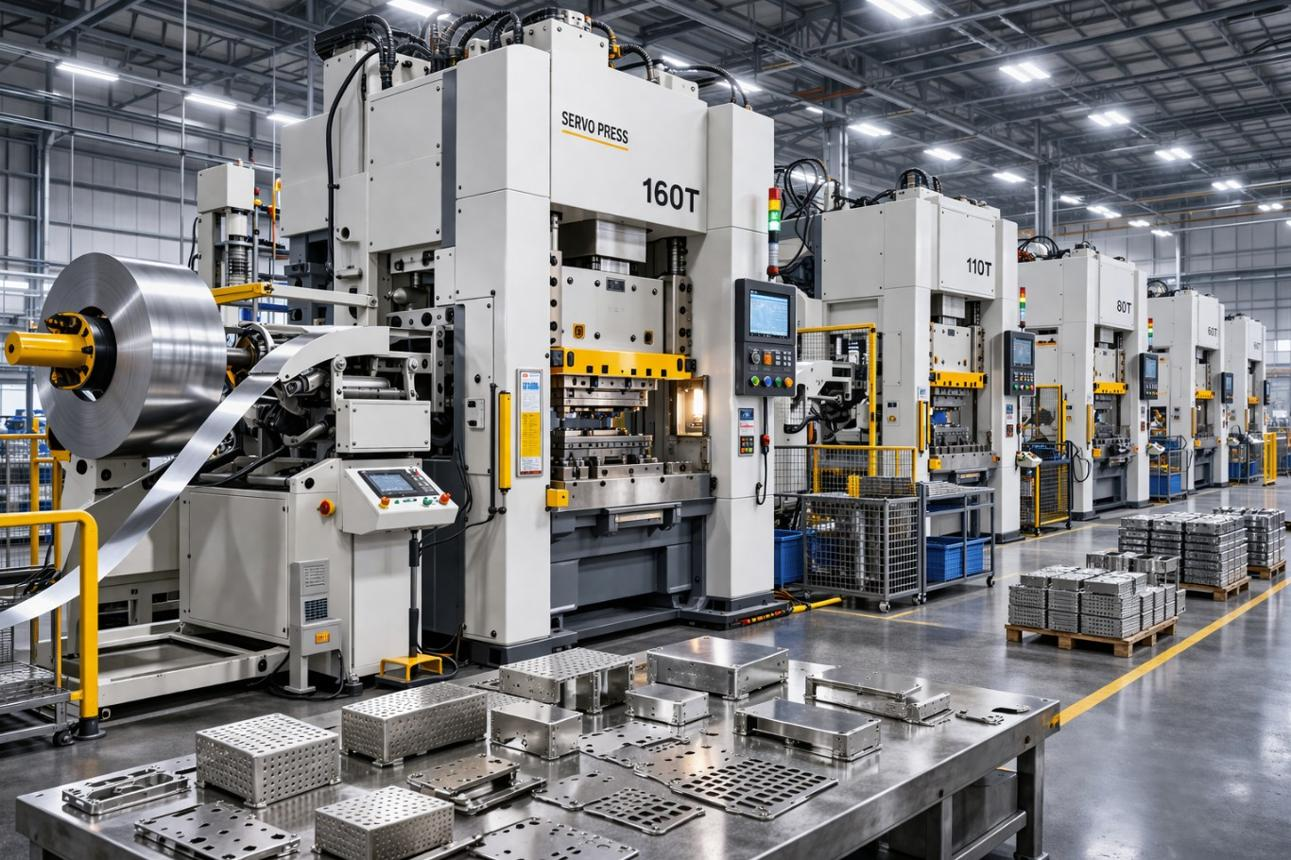
Metal stamping uses a press and purpose-designed tooling to perform operations such as blanking, piercing, bending and forming. Progressive or compound dies may be considered for suitable part designs and production requirements.

The tooling approach depends on part geometry, material thickness, dimensional requirements and anticipated volume. Tool design and validation are important factors in determining initial cost and production efficiency.

Send the drawing, material grade and forecast demand for a review of die layout, forming steps and expected batch sizes.

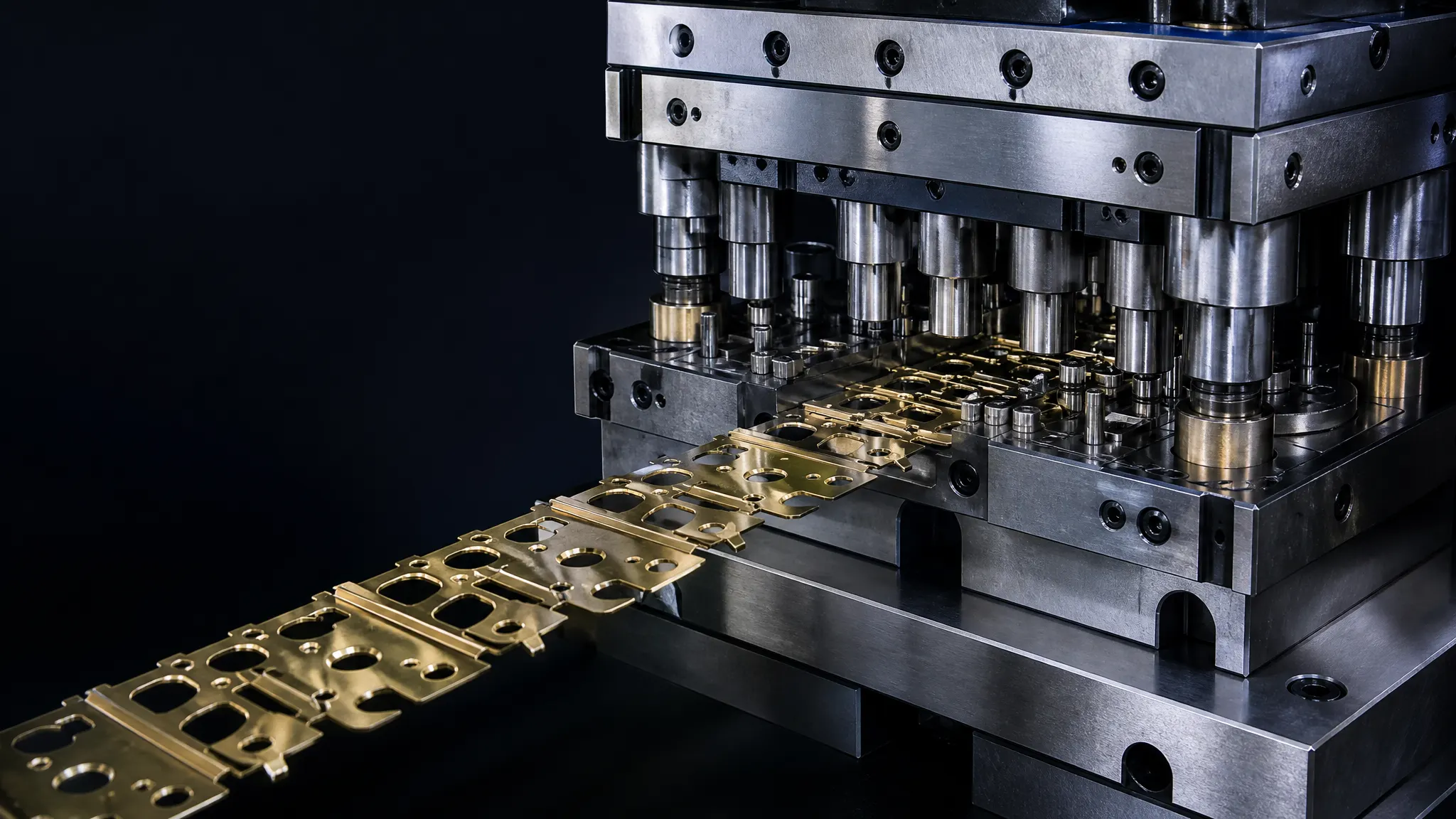
Manufacturing workflow from CAD review through production and inspection

Metal Stamping Design Review

For suitable projects, stamping can support repeatable part geometry and efficient production at scale. Tooling investment, part complexity, material selection and expected order volume should be considered together.

Request a Design Review

Metal Stamping Capabilities

Metal stamping involves an upfront tooling investment, so the right process depends on part geometry, material, annual demand, and expected production life. We review these factors to help determine whether stamping is suitable for your project.

Stamping Operations

  • Choose blanking, piercing, forming or a combination based on geometry and quantity. Review die access and strip layout before releasing tooling.
Engineering thermoplastic molding material samplesMaterials

Materials

Metal Stamping Materials

Choose sheet grade and temper by checking the required strength, draw depth, bend radius and corrosion resistance. Material changes can affect springback and may require a new tooling trial.

  • Aluminum Alloys
  • Cold-Rolled Steel
  • Stainless Steel
  • Galvanized Steel
  • Brass
  • Copper
  • Strip thickness and temper
  • Formability
  • Burr direction
  • Tooling wear and edge quality
  • Sheet grade and temper
  • Corrosion exposure
  • Surface appearance
  • Galvanic compatibility
  • Part stiffness
  • Visible face protection
  • Coating adhesion
  • Deburring
  • Edge condition
  • Hardware compatibility
  • Fastener material
  • Weldability
  • Finish thickness
  • Cleaning requirements
View All Metal Stamping Materials

Surface Finish Options

Choose materials and finishes based on your part's mechanical properties, operating environment, appearance, and application requirements.

Surface finish options
FinishDescription
Deburred Remove sharp edges to meet handling and assembly requirements.
Brushed or grained Specify the visible face and grain direction for suitable materials.
Protective coating Select a coating for the substrate and environment. Specify color, texture, and masking where needed.

The Process

How Does Metal Stamping Work?

Depending on the part design and production volume, a project may begin with prototype or laser-cut parts before transitioning to a stamping process. We evaluate geometry, tooling requirements, and expected demand to help identify a practical manufacturing route.

The advantages

  • Repeatable Geometry:• Dedicated tooling supports consistent part shapes when properly maintained and controlled.
  • Integrated Operations:• Suitable dies can combine multiple cutting and forming steps.
  • Production Efficiency:• Stamping can be efficient for suitable parts at recurring or higher volumes.

The challenges

  • Tooling commitment:• Die cost and lead time make late design changes or small orders more expensive.
  • Forming defects:• Deep draws and tight radii can lead to thinning, wrinkles or cracks depending on the material and tool design.
Coordinate measuring machine inspecting a precision componentQuality

Applications for Metal Stamping

Stamping can suit repeat orders of clips, shields, terminals and formed brackets when expected demand supports dedicated tooling.

Brackets & Clips

Mounting clips, retaining brackets, and formed tabs.

Contact & Connector Components

Suitable conductive metal parts, subject to geometry and material requirements.

Panels & Flat Components

Repeated profiles and pierced sheet metal parts.

Custom Industrial Components

Parts designed around suitable stamping operations.

Electrical Contacts & Terminals

Selected conductive and formed metal components for electrical and electronic assemblies.

Hardware & Fastening Systems

Form clips, retainers, and fastening components for repeat assembly.

Metal Stamping applications
Types of PartsFunction
Retaining clips Hold or locate mating parts with repeatable stamped features.
Metal contacts Form selected conductive contact shapes.
Stamped brackets Produce repeatable mounting and locating features from sheet stock.

Ready to Start Your Next Manufacturing Project?

Share your CAD files and project requirements. An engineer will review the details and follow up with pricing and any manufacturability questions.