Selective Laser Sintering (SLS) Design Guide
Allow for powder removal, define fit-critical clearances, and select a powder grade for the intended load and flex.
Get the Guide With Your QuoteBoValley offers Selective Laser Sintering (SLS) for functional plastic prototypes and selected low-volume production parts. SLS is well suited to complex geometries, integrated features, and nylon components that need to move beyond basic visual evaluation.
Overview
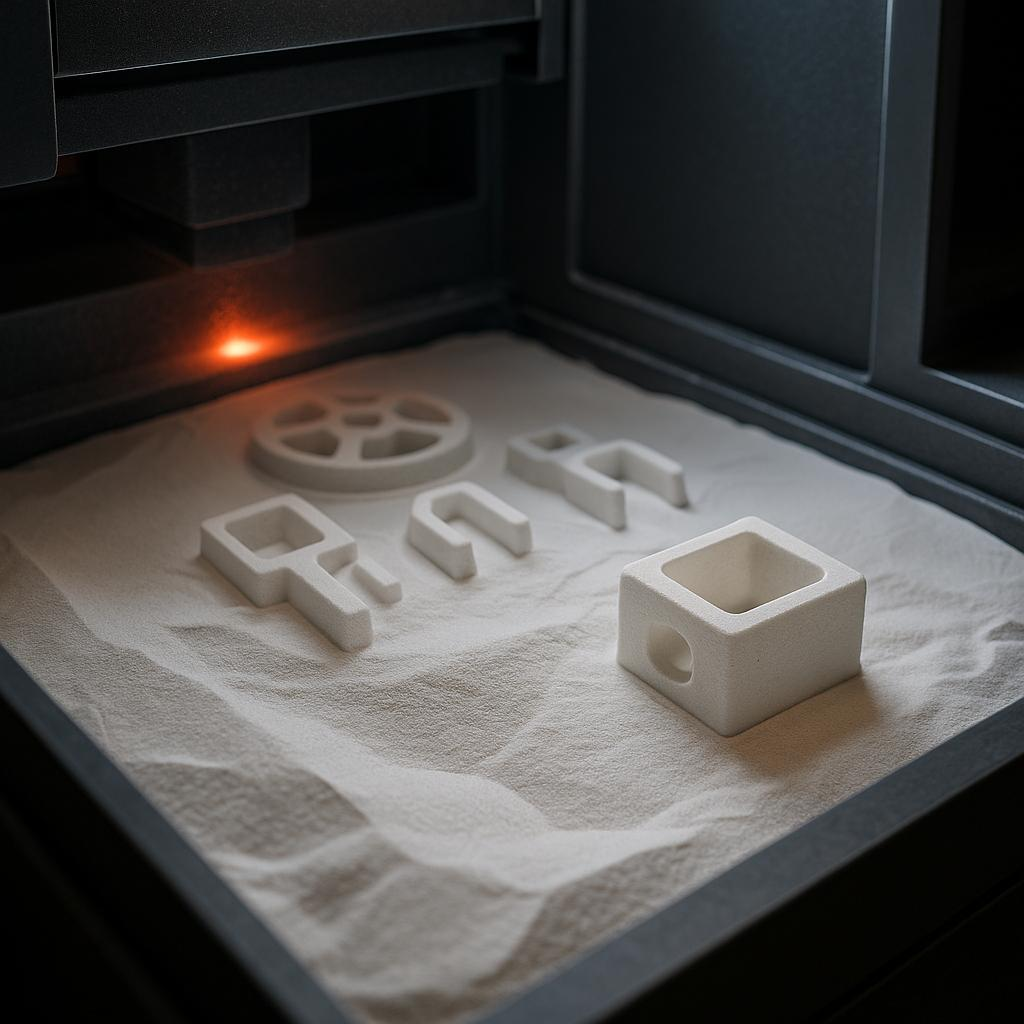
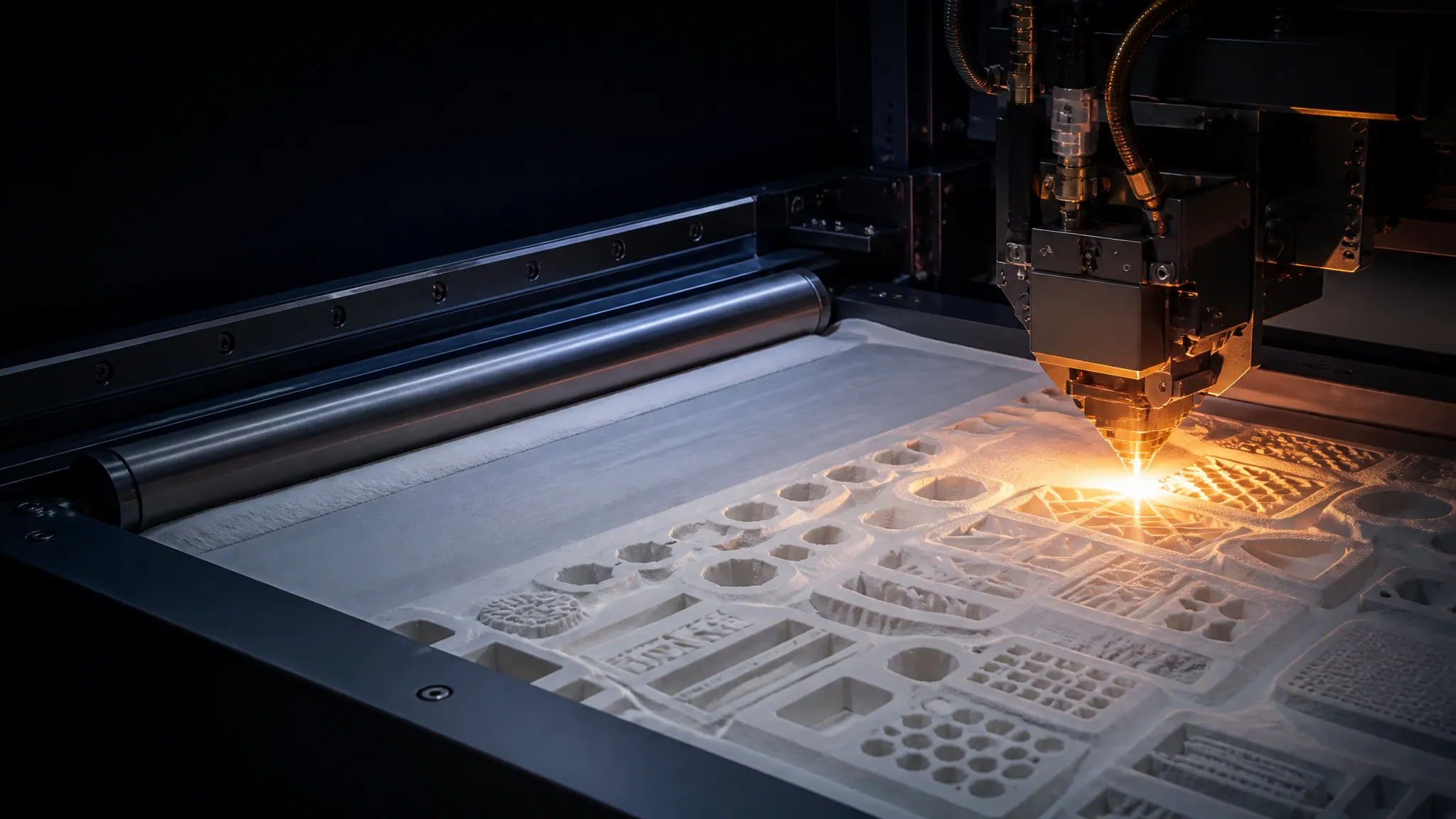
Selective Laser Sintering (SLS) is a powder-bed fusion process that uses a laser to fuse polymer powder layer by layer. Nylon materials such as PA12 and PA11 are commonly used for functional parts with complex geometries.
The surrounding unfused powder supports the part during printing, so conventional support structures are generally not required. After printing, parts are cooled, depowdered, and cleaned. Additional finishing may be available depending on the material and requirements.
Allow for powder removal, define fit-critical clearances, and select a powder grade for the intended load and flex.
Get the Guide With Your QuoteSLS does not require conventional support structures, but powder removal, minimum feature size, wall thickness, spacing between moving features, and part orientation still matter.
 Materials
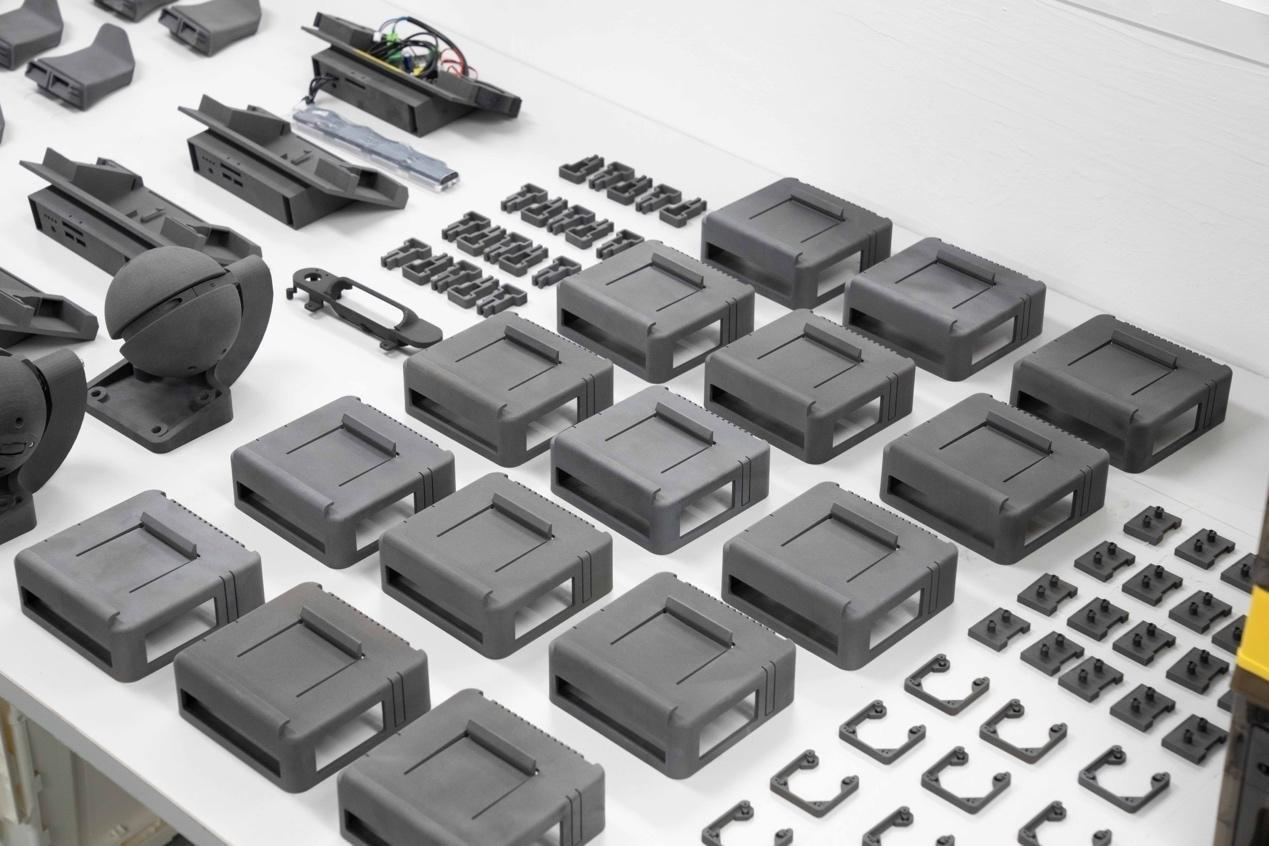
SLS material availability depends on the printing system and supplier. Compare powder grades against the loads, flexibility, and finish your part requires.
SLS parts typically have a slightly textured surface. Depending on the application, finishing may include powder cleaning, bead blasting, dyeing, or other available surface treatments.
| Parameter | Typical Capability / Options |
|---|---|
| Process | Selective Laser Sintering (SLS) |
| Material Type | Polymer powder |
| Common Materials | PA12, PA11; selected filled nylons or elastomeric materials if supported |
| Build Size | Depends on equipment and part layout |
| Dimensional Accuracy | Depends on geometry, material, build orientation, and cooling |
| Support Structures | Conventional supports generally not required |
| Surface Finish | Typically matte or slightly grainy; finishing can change appearance |
| Post-Processing | Depowdering, cleaning, blasting, dyeing or other agreed finishing |
| Typical Order Volume | Functional prototypes and selected small batches |
The Process
01. Design and Build Preparation: Review geometry, wall thickness, clearances, orientation, and intended function. 02. Powder-Bed Printing: Fuse polymer powder layer by layer to build the required geometry. 03. Cooling and Depowdering: Allow the build to cool, then remove loose powder from the parts and features. 04. Finishing and Inspection: Apply agreed finishing and inspect the specified dimensions and features.
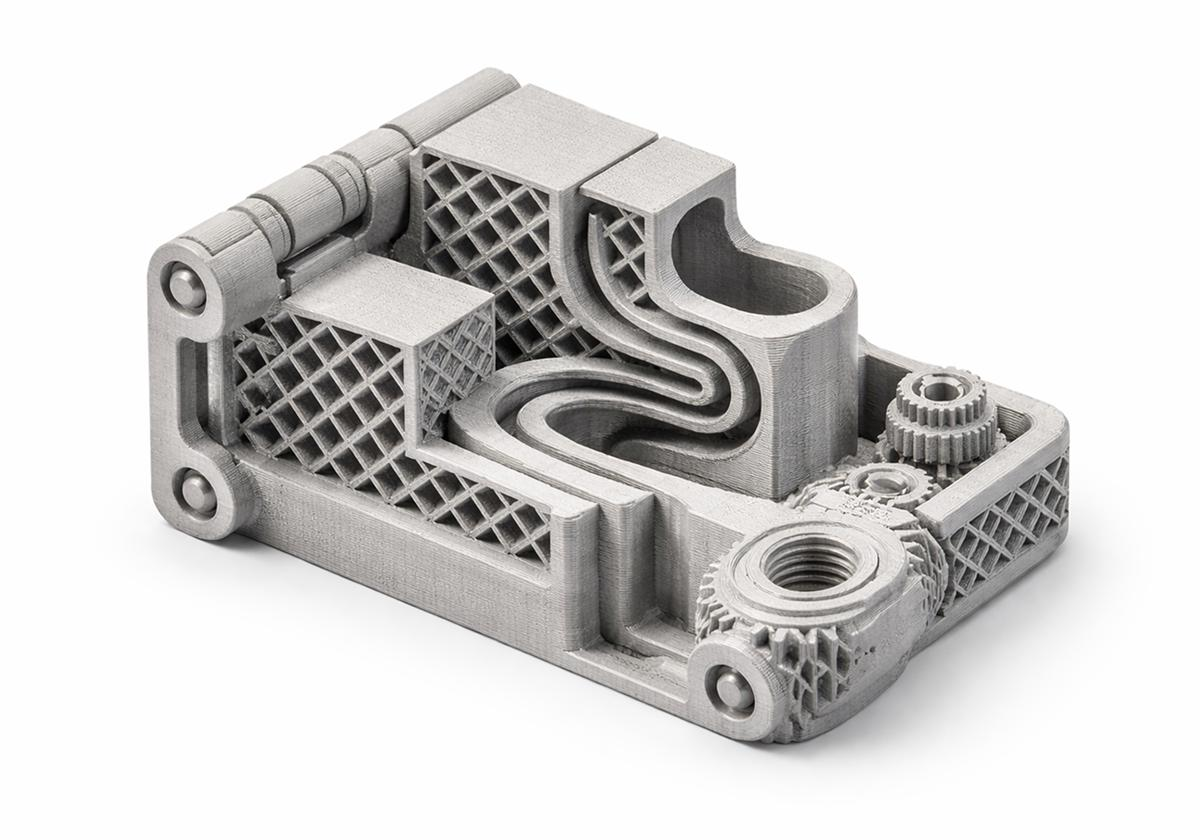 Quality
SLS can support complex polymer prototypes, functional fit checks, and selected low-volume components.
Test mechanical concepts and assembly interfaces.
Produce custom enclosures, mounts, and structural components.
Create geometries that may be difficult to machine conventionally.
Make selected parts for specialized equipment and custom products.
Develop support nests and locating features for workshop and test use.
Check housing fit, latch geometry, and mechanical interfaces.
| Types of Parts | Function |
|---|---|
| Interlocking housings | Check clearances and retention between mating features. |
| Flexible ducts | Evaluate routed geometry and access in a prototype. |
| Jigs and nests | Support selected parts during assembly or test. |
Upload your CAD file today — get a detailed quote with DFM feedback within 24 hours.