Metal 3D Printing Design Guide
We review part geometry, material requirements and functional specifications to help identify a suitable manufacturing route.
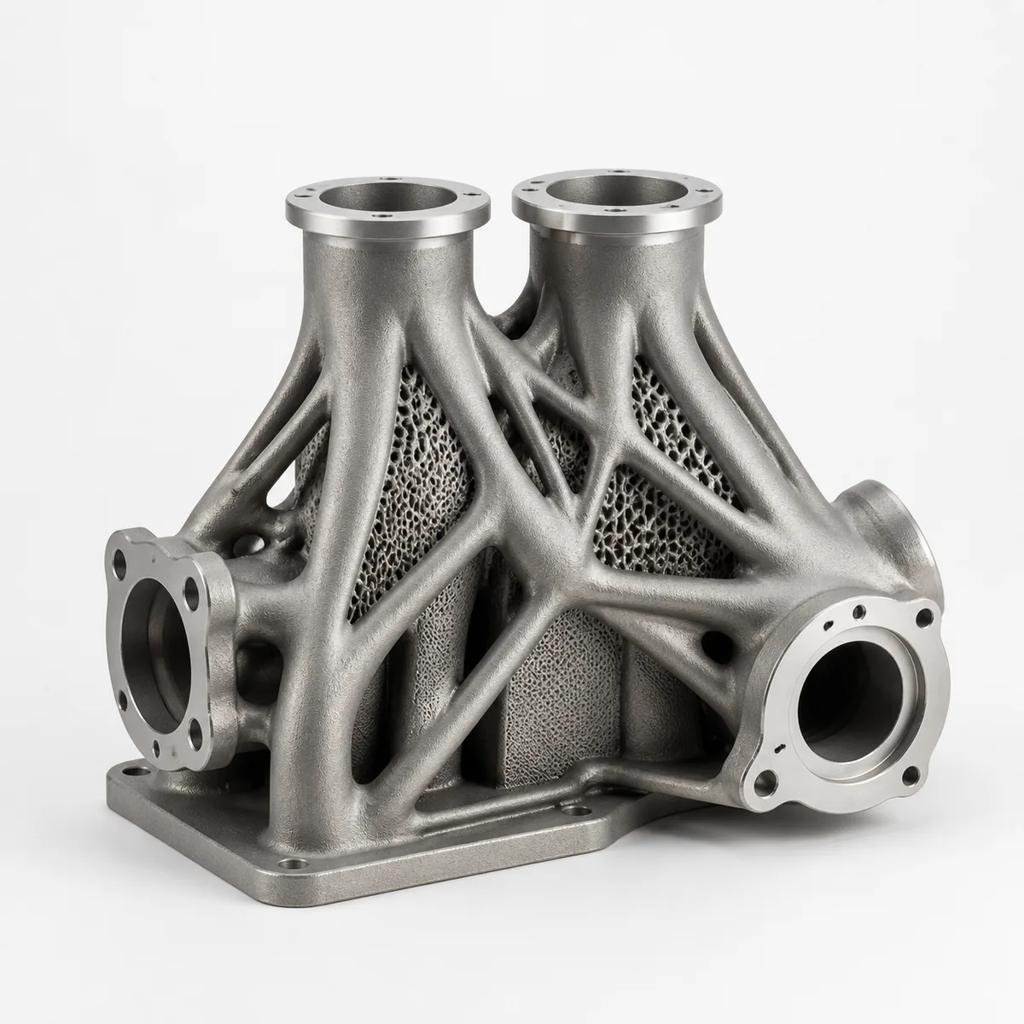
Get the Guide With Your QuoteBoValley supports metal additive manufacturing projects involving complex geometries, internal channels, lightweight structures and selected functional metal components. Metal 3D printing builds parts layer by layer from metal powder, creating design possibilities that may be difficult to achieve through conventional machining alone.
Overview
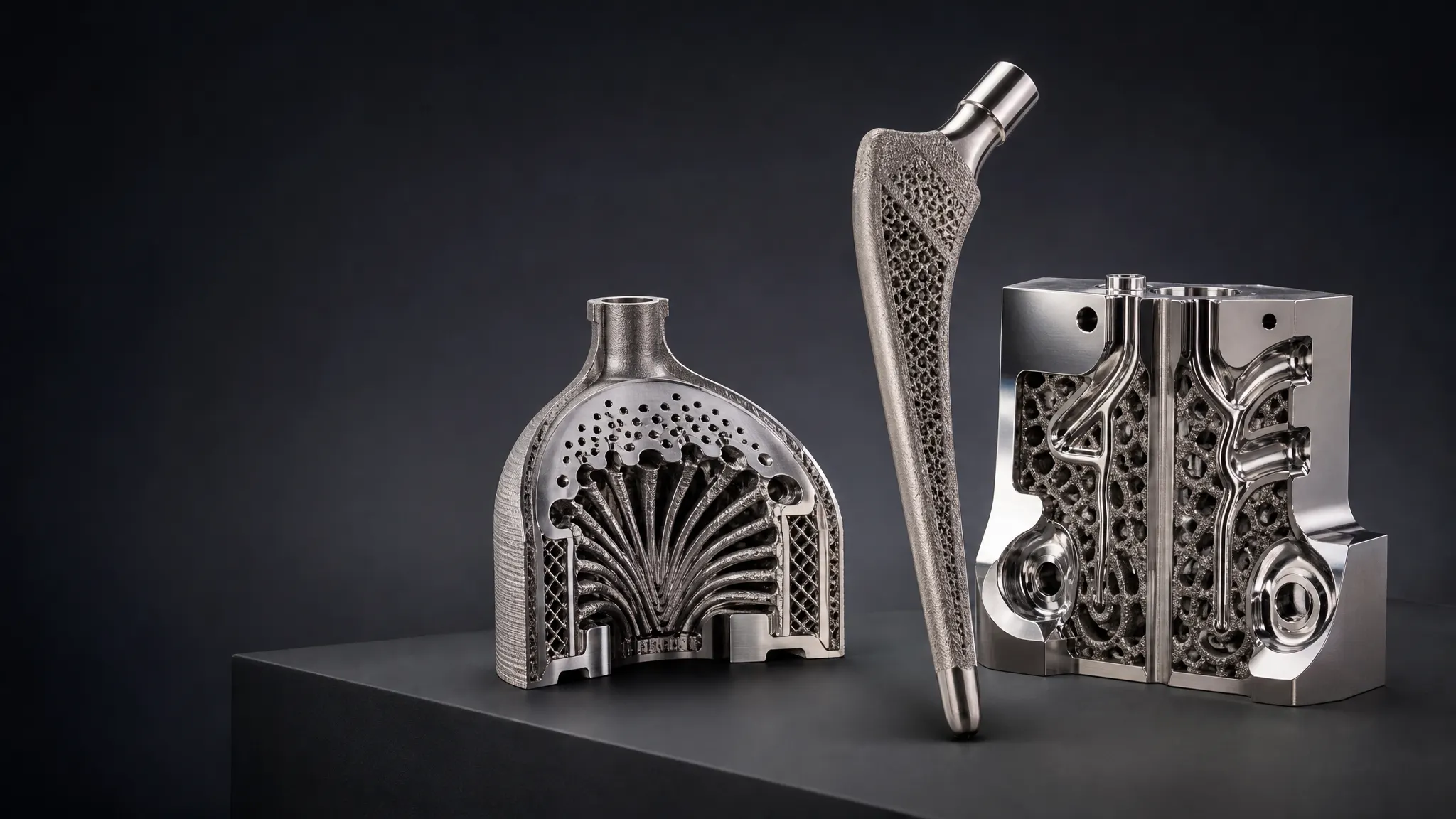
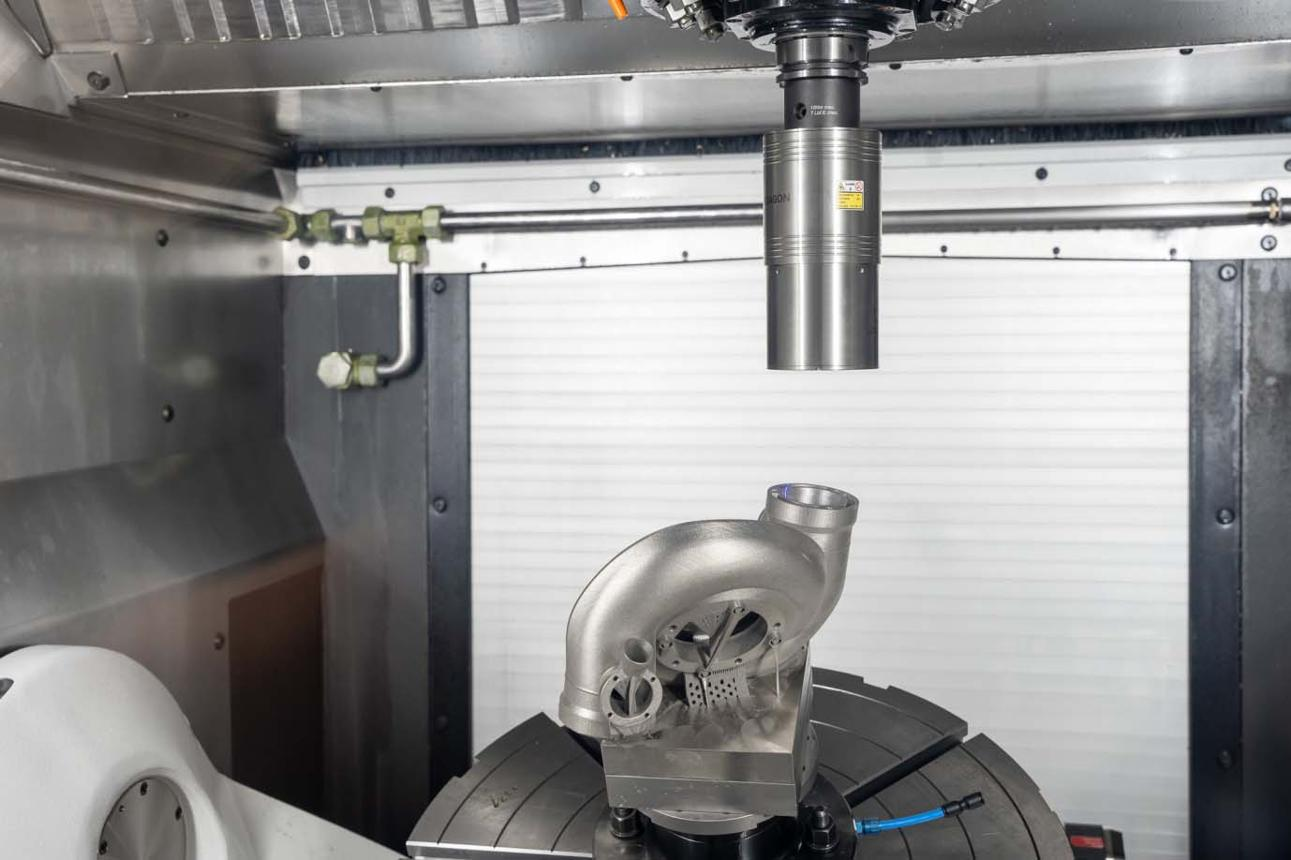
Metal 3D printing uses additive processes such as laser powder bed fusion to build a metal component layer by layer from metal powder.
It can be useful for selected complex geometries, lattice structures, lightweight designs and internal passages that are difficult or costly to manufacture using conventional methods. The final part may require support removal, heat treatment, machining or finishing. Functional surfaces, threaded features, critical fits and inspection requirements should be identified before the project is quoted.
We review part geometry, material requirements and functional specifications to help identify a suitable manufacturing route.
Get the Guide With Your QuoteMetal additive manufacturing commonly requires design planning for supports and post-processing. Material properties and final tolerances depend on the specific process, machine, alloy and finishing route.
 Materials
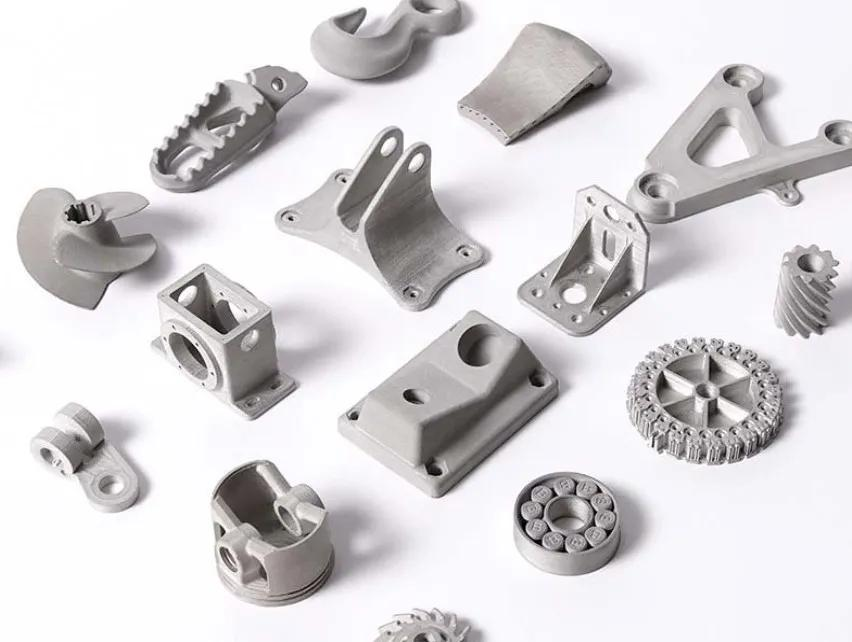
Material availability depends on the additive manufacturing process, equipment, and production partner. The right alloy should be selected based on mechanical loading, temperature, corrosion exposure, and any required certification or traceability.
Metal prints can retain layer texture and support marks. Choose finishing around the alloy, visible faces, and dimensions required at mating surfaces.
| Finish | Description |
|---|---|
| As-built and cleaned | Remove loose powder and supports. Layer texture and support marks may remain. |
| Media blasting | Evaluate a more uniform matte texture where the alloy and part geometry permit. |
| Machined critical surfaces | Finish selected mating faces or bores to the agreed drawing requirements. |
The Process
1.Build & Support Removal : Print the component and remove supports using a suitable method. 2.Stress Relief or Heat Treatment : Apply the required thermal process where specified and supported. 3.Machining & Surface Finishing : Finish critical interfaces, holes, and contact surfaces where necessary. 4.Inspection & Documentation : Perform the agreed dimensional and material-related checks according to the project requirements.
 Quality
Metal additive manufacturing is worth considering for internal channels, complex geometry, and selected lightweight structures.
Validate designs with intricate metal geometry.
Produce selected manifolds and internal-channel components.
Develop lattice or topology-optimized parts where appropriate.
Support low-volume or application-specific metal part requirements.
Selected tooling inserts, cooling-channel structures and complex fluid-related parts.
Evaluate internal flow paths, thermal features, and access for cleaning and inspection.
| Types of Parts | Function |
|---|---|
| Cooling manifolds | Explore integrated internal flow paths. |
| Lightweight brackets | Evaluate topology-optimized structures and mounting interfaces. |
| Tooling inserts | Evaluate channels and leave stock where finish machining is needed. |
Upload your CAD file today — get a detailed quote with DFM feedback within 24 hours.