Industries / Medical

Custom Manufacturing for Medical Devices & Equipment

Precision-manufactured components for medical equipment development, laboratory instruments, diagnostic systems, and selected device applications.

How We Support Medical Projects?

Medical equipment projects can involve strict dimensional interfaces, material specifications, cleaning requirements, and documentation needs.

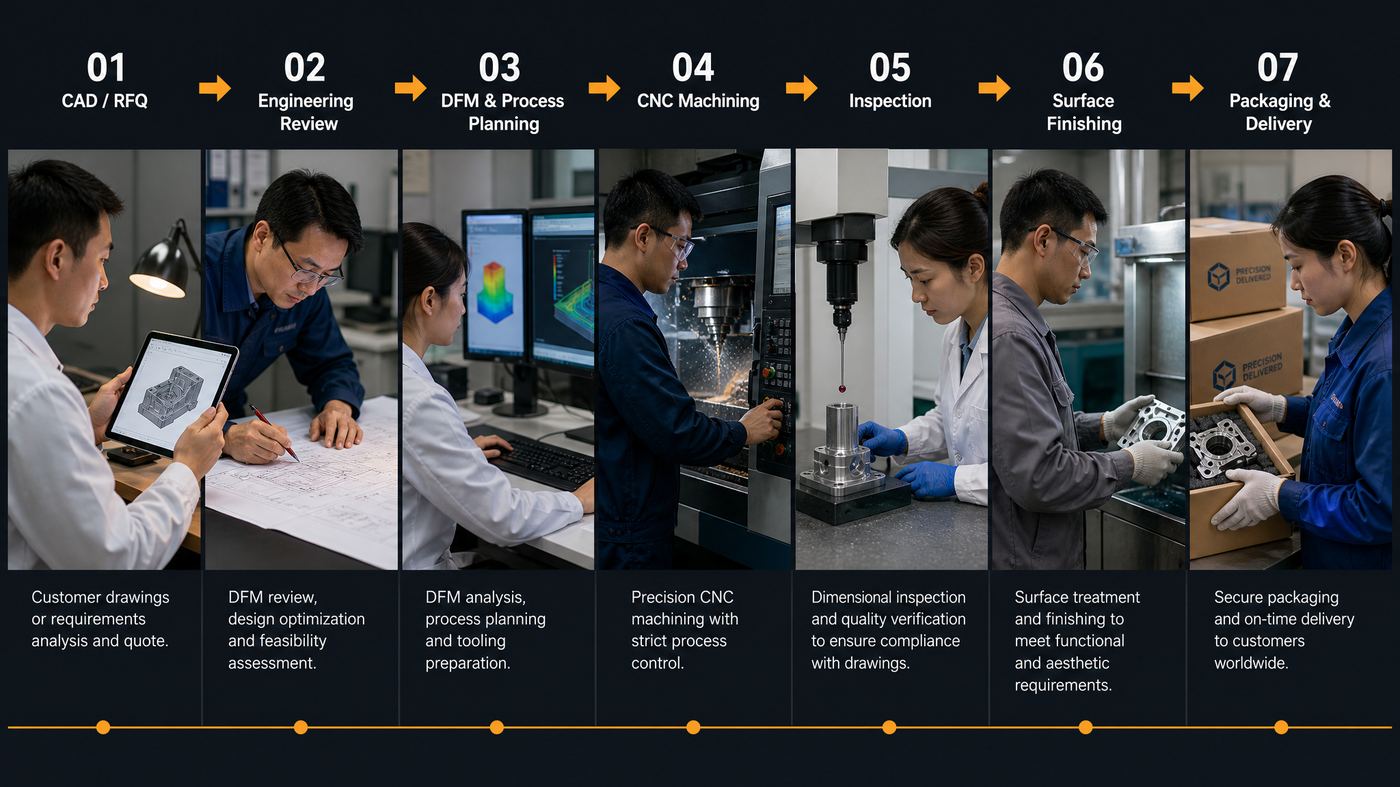
Requirement & Drawing Review

Review part drawings, CAD files, material callouts, surface requirements, and assembly interfaces to clarify the manufacturing scope.
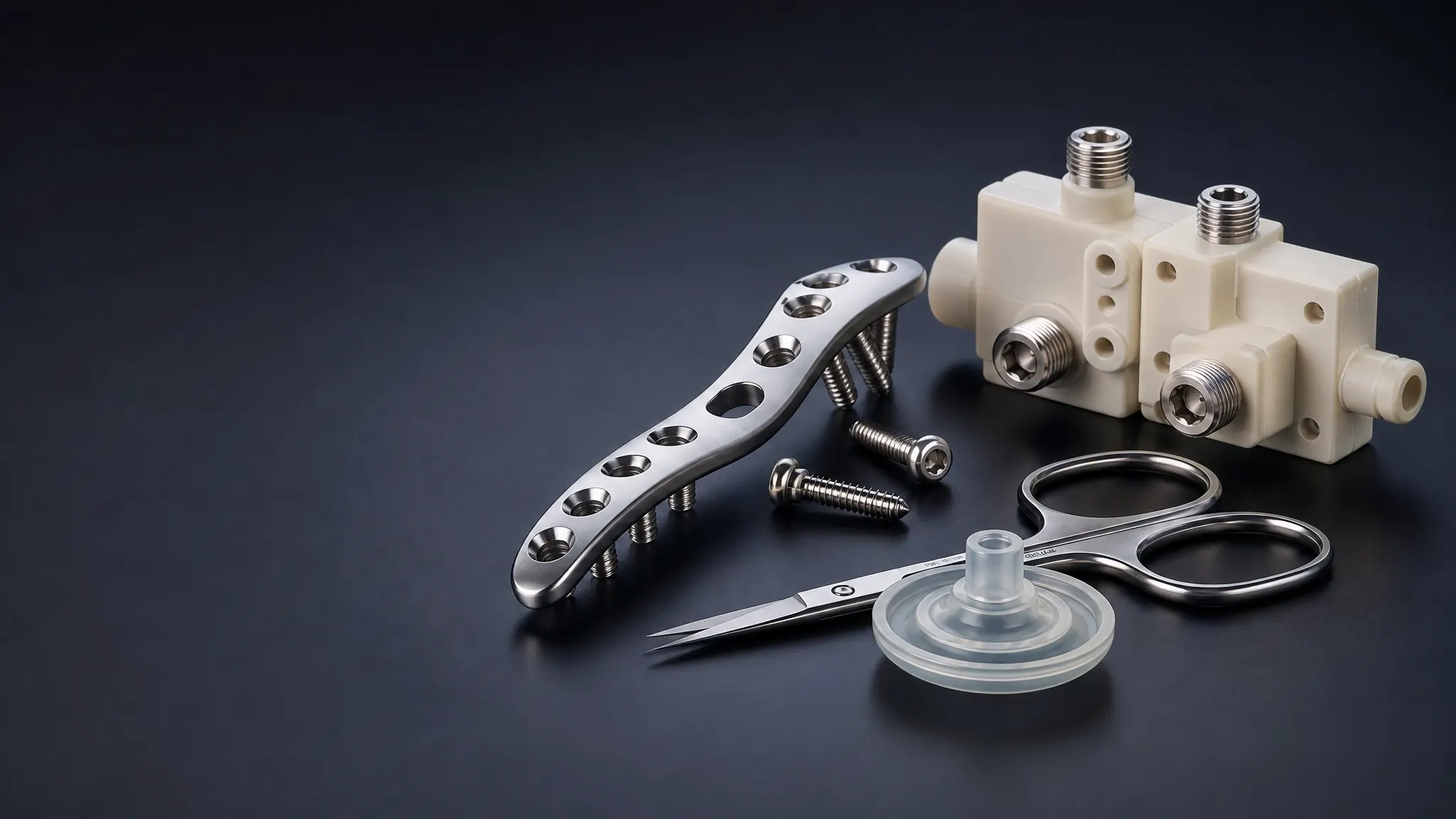
Prototype Component Manufacturing

Produce selected metal or plastic components for enclosure development, instrument layout, fit checks, and engineering evaluation.

Fit & Functional Review

Support revisions based on assembly feedback, updated drawings, and the agreed functional requirements of the component.

Low-Volume & Repeat Orders

Discuss suitable manufacturing routes for pilot builds, limited quantities, and repeat orders after specifications and requirements are confirmed.

Documentation Review

Confirm required inspection records, material certificates, and other project documents before order acceptance.

Engineering Team Support

Technical Support for Medical & Laboratory Components

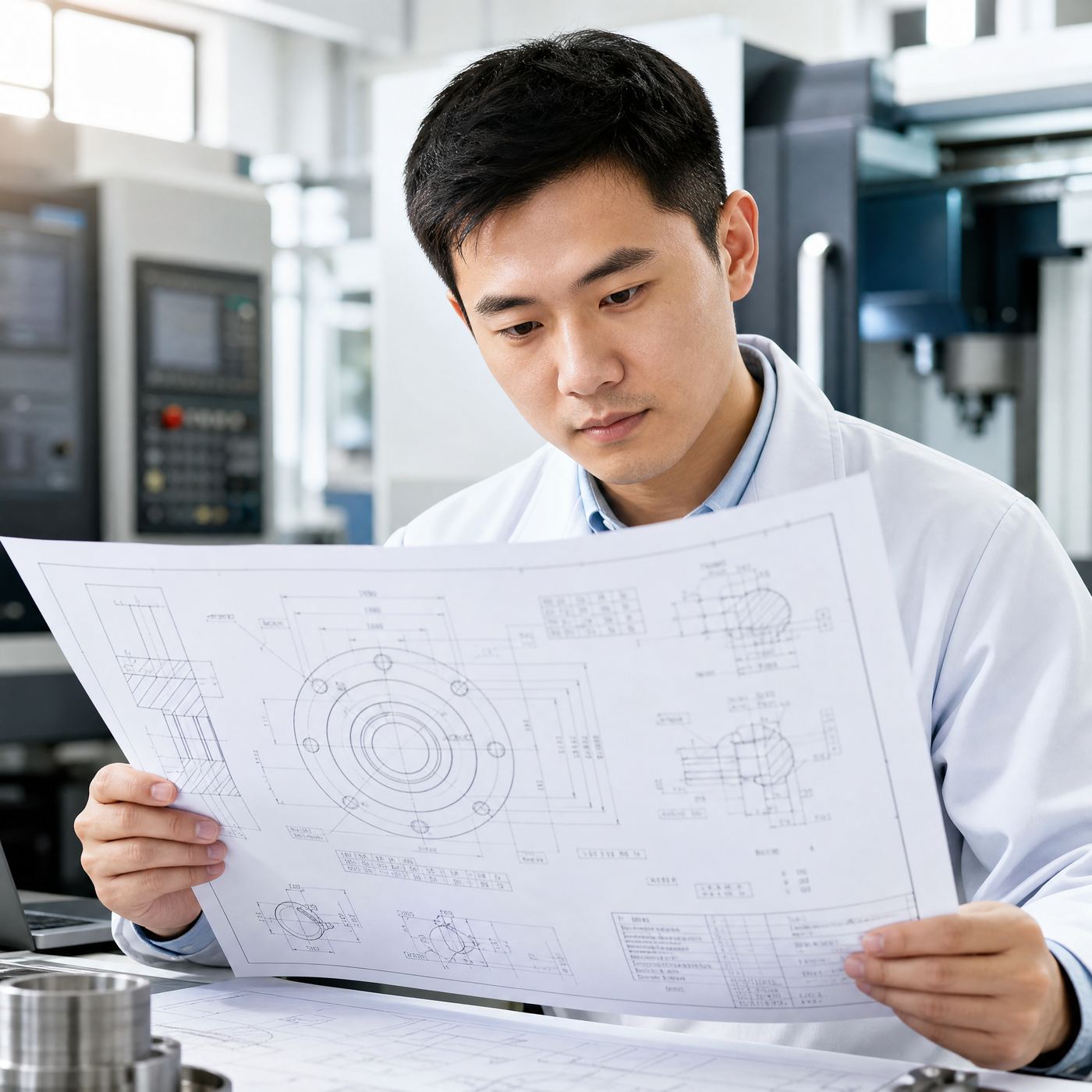
Drawing & CAD Review

Clarify dimensions, assembly interfaces, mounting points, and specified material grades.

Material Suitability Discussion

Review intended use, operating environment, cleaning exposure, and customer-defined material requirements.

Surface Finish Review

Discuss appearance, roughness, deburring, and surface treatment requirements where applicable.

Tolerance & Inspection Planning

Identify critical dimensions and agree on appropriate verification and reporting.

Manufacturing Services

Manufacturing Solutions for Medical Equipment Components

CNC Machining

For custom housings, mounting components, instrument fixtures, and metal or engineering-plastic parts with defined dimensional requirements.

  • Typical parts: instrument housings, brackets, adapters, and mechanical interfaces.
  • Specify mounting datums and mating surfaces for instrument assemblies.
  • Provide cleaning, surface, and material requirements for engineering review.
Learn More

Sheet Metal Fabrication

For equipment enclosures, panels, covers, supports, and custom mounting structures.

  • Typical parts: instrument panels, cabinets, brackets, and protective covers.
  • Review access panels, enclosure seams, and hardware locations.
  • Specify edge and finish requirements for handling and cleaning.
Learn More

Injection Molding

For plastic covers, housings, handles, and selected components suited to mold-based production.

  • Typical parts: equipment covers, instrument enclosures, knobs, and plastic structural components.
  • Check wall thickness, boss locations, and enclosure fit before tooling.
  • Identify the intended use and any resin documentation or validation requirements.
Learn More

3D Printing

For selected prototypes, complex enclosure concepts, fit checks, and early-stage product development.

  • Typical parts: prototype housings, ducts, brackets, and design-evaluation models.
  • Use development models to check instrument layout and handling.
  • Verify assembly fit and service access before selecting a production route.
Learn More

Quality Standards & Inspection

Quality Planning Based on Your Device Requirements
  • Drawing and revision control.
  • Dimensional verification against agreed specifications.
  • Visual inspection and surface-condition checks.
  • Material grade and documentation requirements, where available and agreed.
  • Inspection reports and other agreed quality records
  • Clarification of special requirements before manufacturing begins.
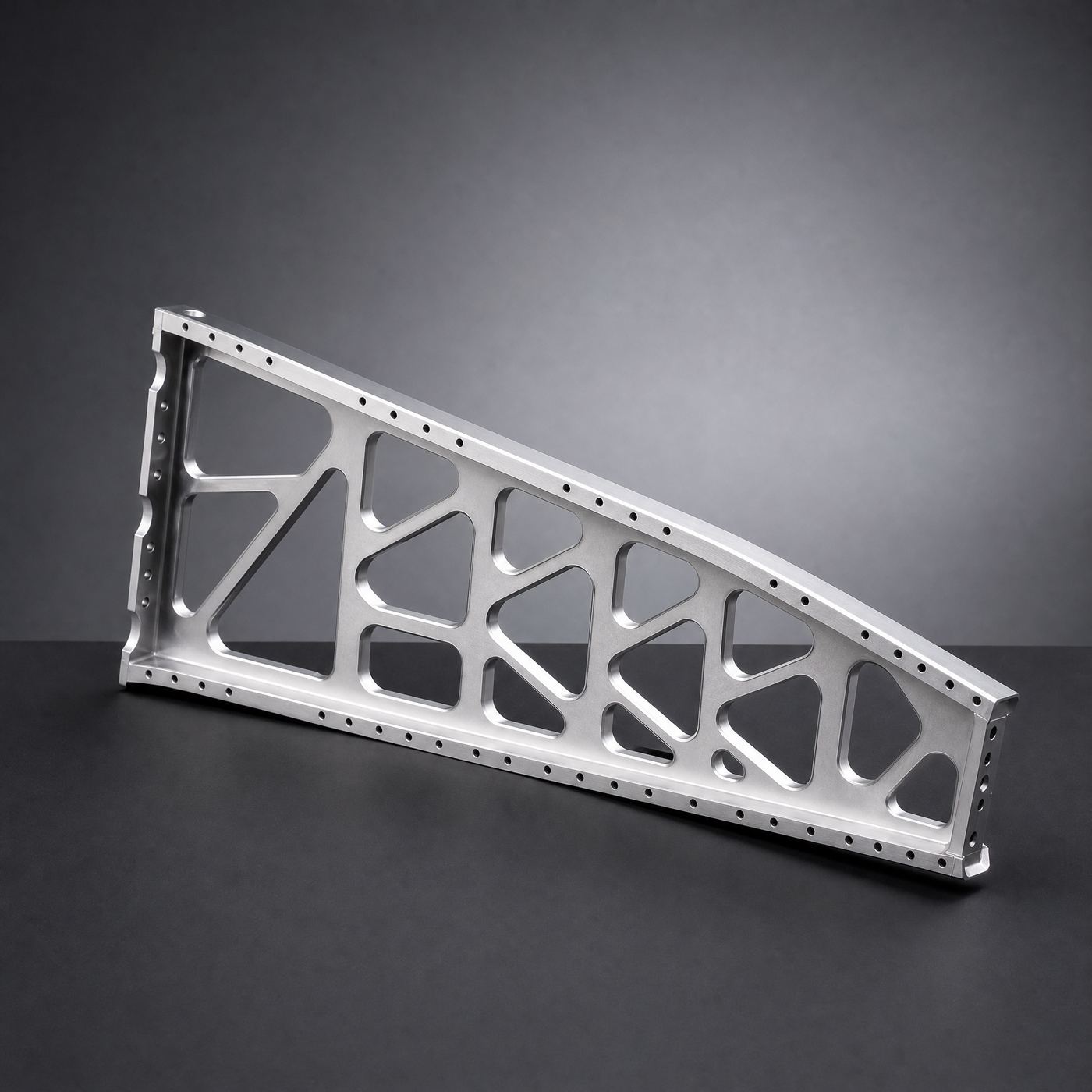
Automotive metals, stock materials and precision machined componentsMaterials

Materials

Materials for Medical Equipment & Laboratory Instruments

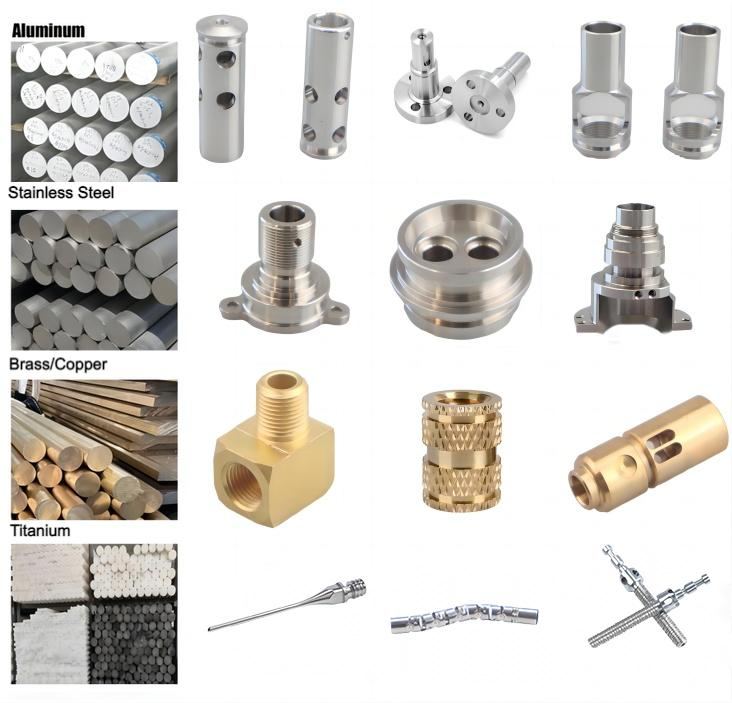
Aluminum
Example materials: 6061 and other suitable grades Typical considerations: Lightweight housings, brackets, instrument structures
Stainless steel
Example materials: 304, 316 where appropriate Typical considerations: Corrosion considerations, cleaning environment, mechanical requirements
Engineering plastics
Example materials: ABS, PC, POM, PA where appropriate Typical considerations: Enclosures, covers, mechanical interfaces, dimensional stability
Moldable thermoplastics
Example materials: Application-dependent grades Typical considerations: Repeatable plastic housings and custom equipment components
Explore Materials
Lightweight structural frame for automotive applicationsApplications

Applications

Medical Applications

Custom Components for Medical & Laboratory Equipment

  • Enclosures
  • Instrument supports, mounting components
  • Enclosures and Housings
  • Laboratory Instruments
  • Mechanical interfaces
  • Equipment Housings & Panels
  • Covers, cabinets
  • Mounting plates
Start Your Medical Quote

Ready to Start Your Next Manufacturing Project?

Upload your CAD file today — get a detailed quote with DFM feedback within 24 hours.