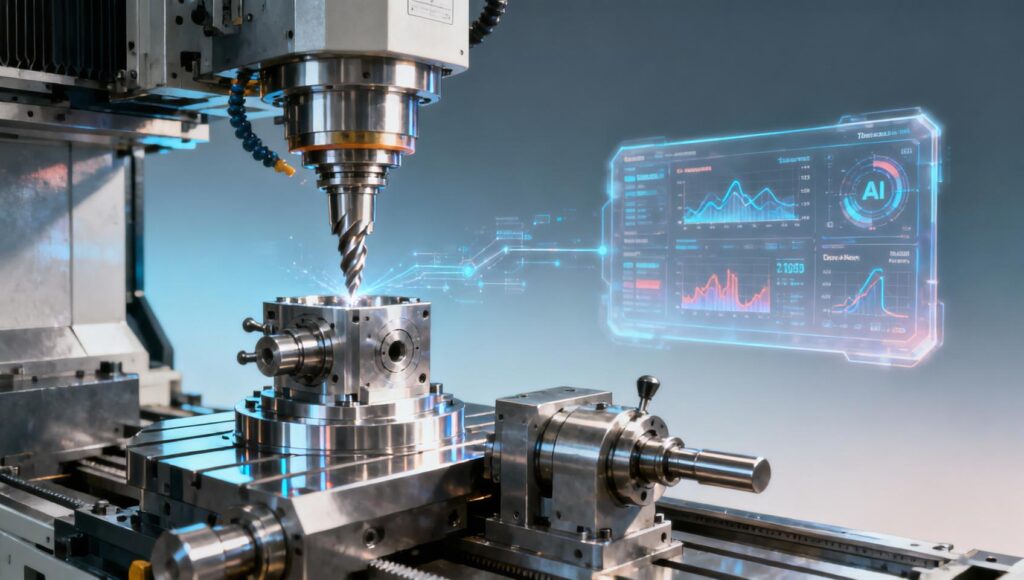
Manufacturing Is Entering a New Era
For decades, manufacturing has been built around machines, people, materials, and production processes.
Today, another element is becoming increasingly important:
Data.
Digital design files, production information, quality records, machine data, logistics information, and customer requirements can increasingly be connected into one manufacturing workflow.
At the same time, artificial intelligence is beginning to influence industrial applications ranging from maintenance and inspection to planning, optimization, and engineering support.
Recent industry developments show that manufacturers are increasingly exploring AI and digital systems for practical applications such as predictive maintenance, production optimization, digital twins, and connected factory operations.
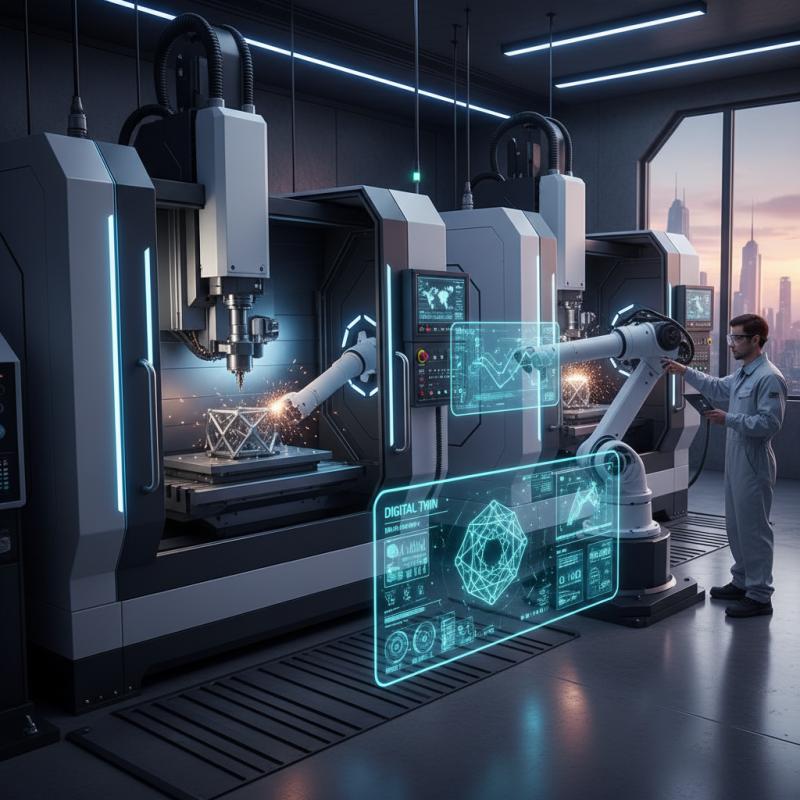
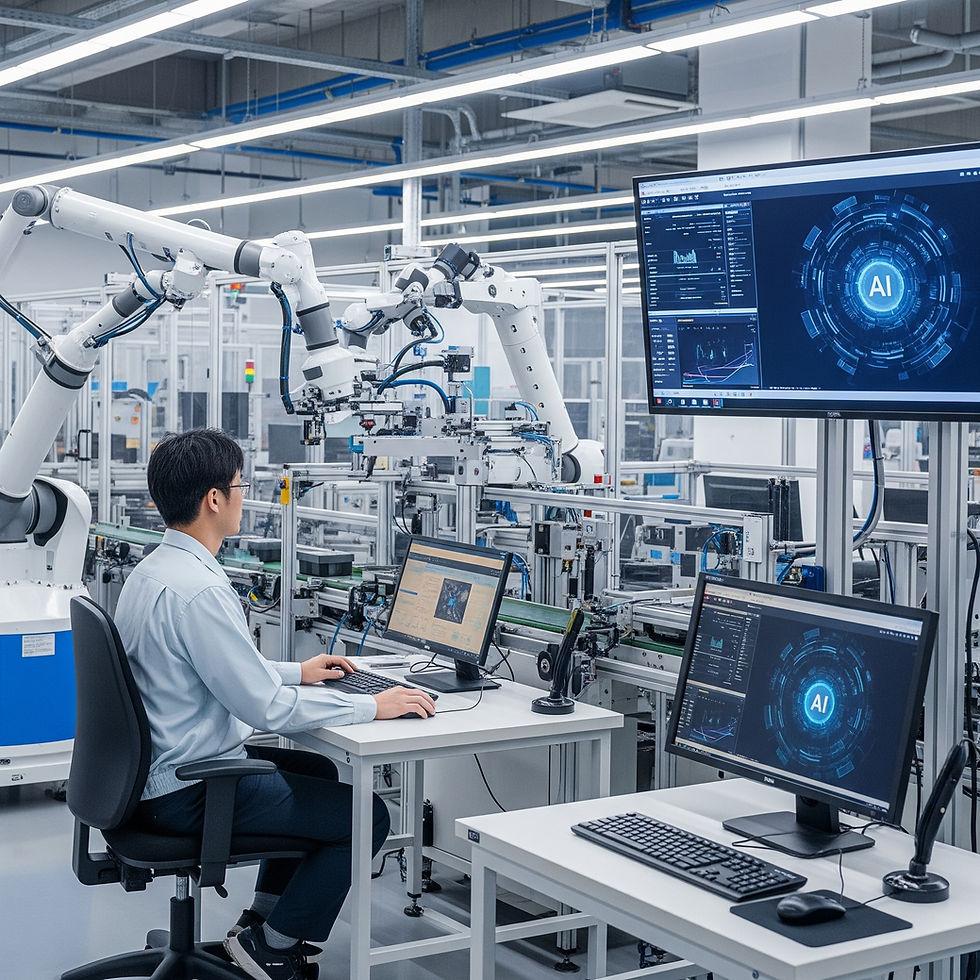
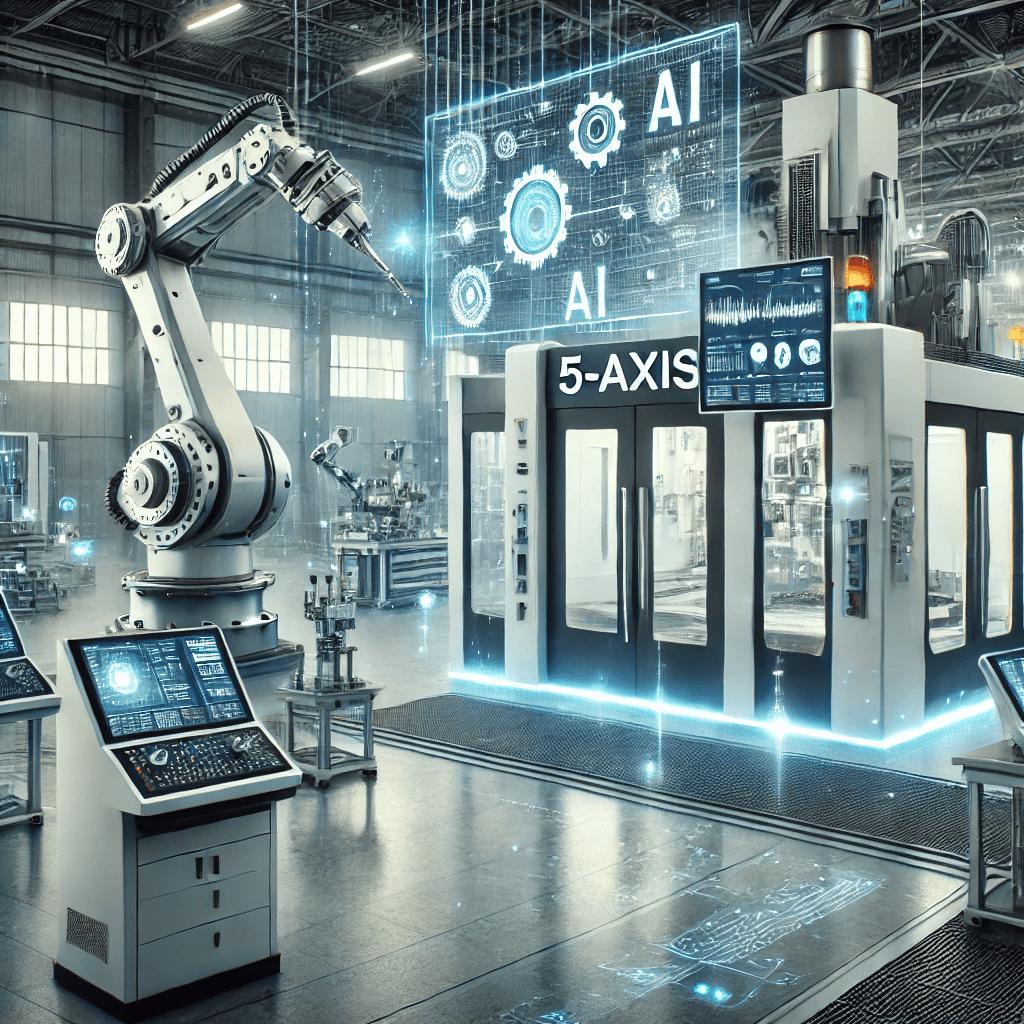
From Traditional Manufacturing to Digital Manufacturing
Traditional manufacturing often involves many separate steps.
A customer sends a drawing.
A salesperson reviews it.
An engineer checks it.
A quotation is prepared.
The order is entered manually.
Production is scheduled.
The factory manufactures the parts.
Quality inspects them.
Logistics arranges shipment.
Each step may involve different people and systems.
This works—but it can also create information gaps.
Digital manufacturing aims to connect these steps.
Imagine a workflow where a CAD file can trigger:
Automated Design Analysis
↓
Manufacturing Process Recommendation
↓
Material Selection
↓
Cost Estimation
↓
Lead-Time Prediction
↓
Production Planning
↓
Quality Data
↓
Digital Delivery Record
This is the direction in which modern manufacturing is evolving.
AI Will Not Replace Manufacturing Expertise
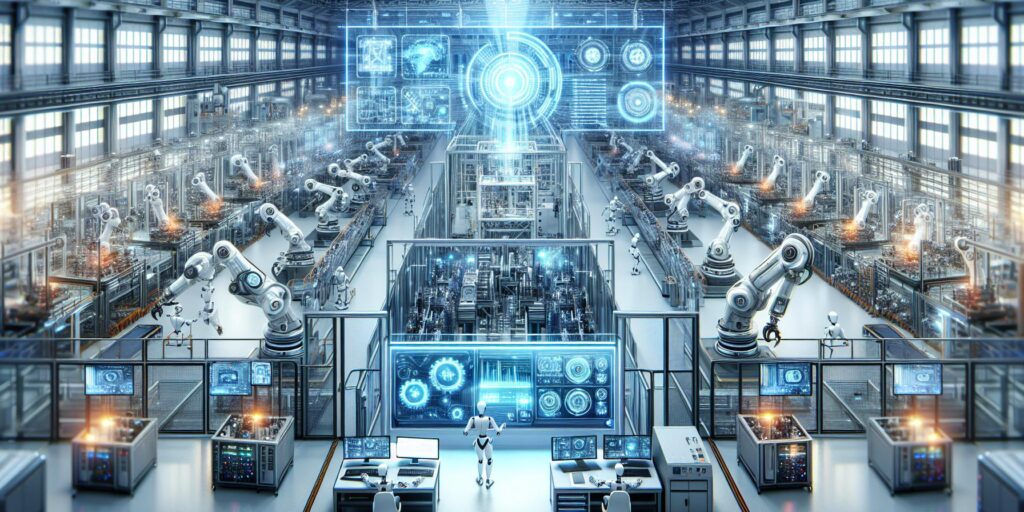
At BoValley, we believe AI should not be viewed simply as a replacement for experienced engineers.
Manufacturing involves physical realities that cannot always be captured by software.
Material behavior, tooling conditions, machine capability, finishing requirements, assembly considerations, and production experience all matter.
AI can help process information and identify patterns.
Experienced engineers understand how those insights should be applied to the real world.
The future is therefore not:
AI vs. Engineers
It is:
AI + Engineers
Recent manufacturing research and industry developments increasingly point toward this combination, where AI supports human decision-making while domain expertise remains critical to implementation.
Smarter Quoting
One of the biggest opportunities for digital manufacturing is quotation.
Traditional quotation processes can require engineers and sales teams to manually review drawings, materials, quantities, tolerances and finishing requirements.
Digital tools can help automate parts of this process.
In the future, an intelligent quoting system could analyze a CAD model and provide:
- Manufacturing feasibility
- Recommended process
- Material options
- Estimated production time
- Estimated manufacturing cost
- Potential design risks
- DFM recommendations
This does not eliminate engineering judgment.
Instead, it allows engineers to spend more time solving complex manufacturing problems.
Smarter Production
Digital manufacturing can also connect production information.
Instead of asking:
“What is the status of my order?”
customers could potentially see production progress through a digital platform.
Future systems may provide information such as:
Order Received
→
Engineering Review
→
Production Scheduled
→
In Manufacturing
→
Quality Inspection
→
Completed
→
Shipped
This creates greater transparency between manufacturers and customers.
Digital Quality Control
Quality is another area where digitalization can create significant value.
Inspection data can become more than a report sent to a customer.
It can become part of a digital production record.
Over time, manufacturers can potentially use accumulated quality data to identify recurring issues, understand process variation, and improve manufacturing performance.
Digital twins and connected machine-tool systems are also being researched as ways to synchronize physical manufacturing processes with digital representations, creating new possibilities for monitoring, traceability, and AI-assisted machining.
Building the BoValley Digital Manufacturing Vision
This is where BoValley’s long-term vision begins.
We are building on traditional manufacturing expertise while exploring a more digital future.
Our roadmap is centered around:
01 — Digital RFQ
Make it easier for customers to submit CAD files and manufacturing requirements.
02 — Intelligent Quoting
Use data and automation to accelerate quotation and manufacturing analysis.
03 — Digital Engineering
Connect design analysis, DFM and manufacturing knowledge.
04 — Smart Production
Improve production planning, tracking and process visibility.
05 — Digital Quality
Create more connected inspection and traceability.
06 — AI Manufacturing
Use AI to assist engineering, quoting, production management and customer service.
Manufacturing’s Next Connection
The future of manufacturing will not simply be about having faster machines.
It will be about connecting:
People
Machines
Data
Engineering
AI
Customers
into one intelligent manufacturing ecosystem.
BoValley is still at the beginning of this journey.
But our direction is clear.
We want to combine 10+ years of manufacturing experience with the opportunities created by digital technology and AI.
Our goal is to make manufacturing easier for the people who design products—and more efficient for the companies that manufacture them.
Building a Smarter Way to Manufacture
The manufacturing industry is changing.
The companies that succeed in the next decade will not necessarily be those with the most machines.
They will be the companies that can combine:
Manufacturing Expertise
Digital Technology
Data
Engineering
Automation
AI
into a reliable and scalable manufacturing system.
That is the future BoValley is working toward.
Digital Manufacturing Partner
BoValley
From Ideas to Reality.